Allspice: One Spice That Tastes Like Several, and How to Use It
Allspice berries taste like a single combination of clove, cinnamon, and nutmeg. Grind whole berries fresh for a much stronger flavor than pre-ground. Use a teaspoon in jerk seasoning, gingerbread, and pickling brines. The active compound eugenol gives it antimicrobial activity in lab tests.
What allspice is
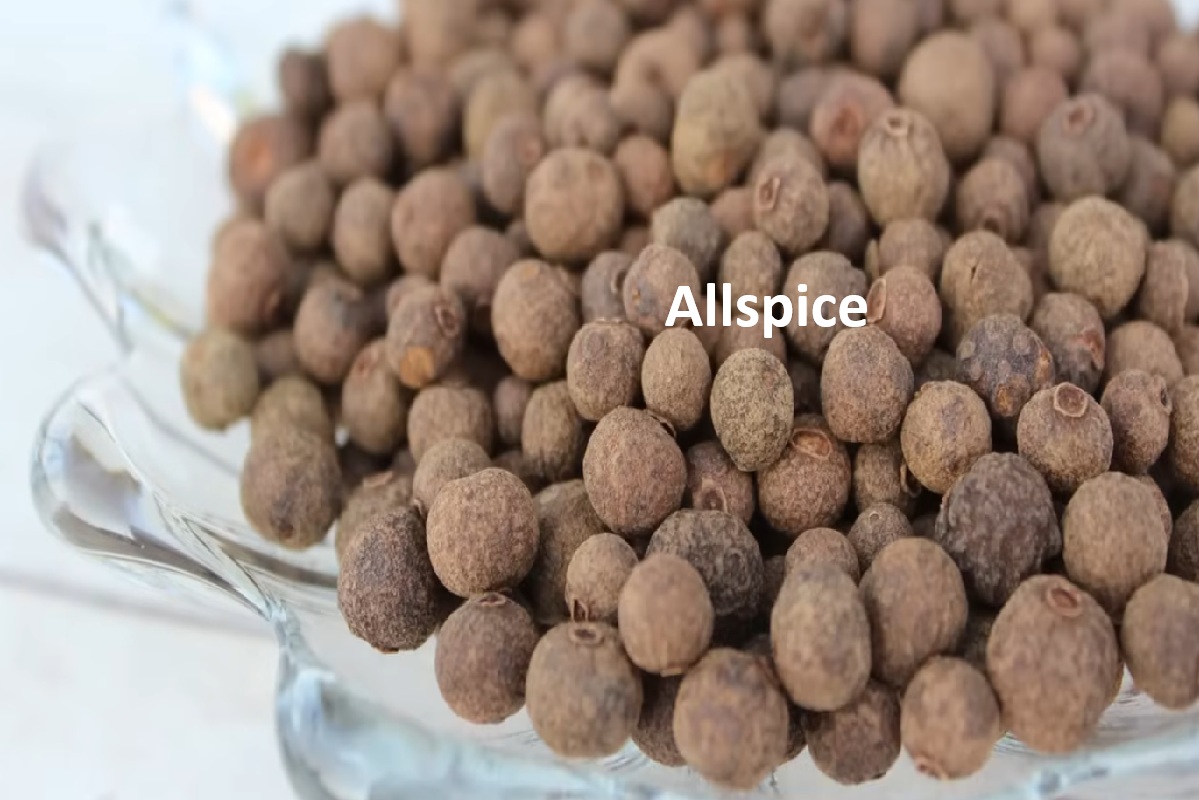
Allspice is a single spice that tastes like a blend of others. The name comes from English colonists describing it as tasting like cloves, cinnamon, and nutmeg combined. Despite the name, it’s not a blend; it’s the dried, unripe berry of a tropical evergreen tree native to Jamaica and Central America.
Allspice is central to Jamaican jerk seasoning and Caribbean cooking generally. It’s also common in Middle Eastern spice blends like baharat and ras el hanout, and in northern European baking.
The main active compound is eugenol, the same as in cloves. That’s why the two spices taste so similar.
What the research shows
Allspice has less direct human research than the Tier 1 and 2 spices, but it shares many properties with cloves because of the shared eugenol content.
Antimicrobial activity
Allspice has antibacterial activity in lab tests, similar to cloves. A 2009 study found allspice essential oil effective against several common foodborne bacteria, including Listeria and E. coli. This is consistent with the traditional use of allspice in preserving meat in Caribbean cooking.
Anti-inflammatory effects
Eugenol, the dominant compound in allspice, has anti-inflammatory effects in lab studies. Some smaller human trials of clove-based eugenol have found similar effects, and allspice likely behaves similarly given the shared compound.
Blood pressure
A 2006 study in Korea looked at allspice extract for cardiovascular effects in animal models and found promising blood pressure lowering effects. Human trials specifically on allspice are limited.
Antioxidant content
Allspice is moderately high in antioxidants, similar to cloves and slightly behind oregano and cinnamon. The contribution to daily antioxidant intake is meaningful when allspice is used regularly.
Pain relief
Eugenol has analgesic (pain-relieving) effects, and allspice has been used traditionally for toothache and muscle pain. A traditional Caribbean remedy is to rub a tea made from allspice berries on sore muscles. The clinical evidence is limited but the eugenol mechanism is well-established.
How to use it
Whole allspice berries vs. ground: whole berries hold their flavor for years, while ground allspice fades within 6-12 months. Grind whole berries as you need them for the strongest flavor.
Some uses:
Savory
- A teaspoon in jerk seasoning with thyme, scotch bonnet, ginger, and brown sugar
- Whole berries in pickling brines for vegetables
- In Middle Eastern spice blends like baharat (Lebanese) or for grilled meat
- A pinch in beef stew or pot roast
- In mole sauces and other Mexican dishes
- Toasted whole and added to bean dishes
- In meatballs and meatloaf
Sweet
- In gingerbread and spice cookies
- A pinch in pumpkin pie alongside cinnamon and cloves
- In fruit cake and mince pies
- In mulled wine with cinnamon and cardamom
- A pinch in apple pie
A teaspoon of ground allspice or 4-5 whole berries works for most dishes. Allspice is intense enough that overdoing it gives a slightly medicinal taste.
How much per day
In cooking, a teaspoon per dish is normal. There’s no specific therapeutic dose for allspice, and the amounts used in cooking are within safe ranges. Use to taste.
Who should be careful
Allspice in food amounts is safe for nearly everyone. The cautions are similar to cloves because of the shared eugenol:
- Concentrated allspice oil can irritate skin and mucous membranes. Dilute before topical use.
- People on blood thinners should be aware that eugenol can slow blood clotting. Food amounts are fine.
- Some people are allergic to eugenol or other compounds in allspice; reactions are usually mild skin rashes.
- Pregnant women can use allspice in cooking without concern. Avoid concentrated supplements during pregnancy.
Buying and storing
Buy whole allspice berries when you can. They look like large brown peppercorns. Whole berries keep their flavor for 3-4 years stored in a sealed container away from light. Pre-ground allspice loses most of its punch within a year.
A coffee mill (kept just for spices, not coffee) or a mortar and pestle works for grinding. Grind only what you need; even half a teaspoon of fresh-ground allspice goes a long way.
The smell test: a few whole berries crushed between your fingers should immediately smell like a combination of cloves and cinnamon. If the smell is faint or only one note (just cloves, for example), the berries are old.
Related spices
Spices that work well alongside this one, or share similar benefits.
Cloves: The Highest-Antioxidant Spice and How to Use It
Use whole cloves in slow-cooked dishes like braises, mulled wine, and rice. Ground cloves go in baking and chai. A qu...
Cinnamon: Benefits, Types, and How Much to Use
Use half a teaspoon of cinnamon a day, sprinkled on oats, yogurt, or stirred into coffee. Pick Ceylon (true cinnamon)...
Nutmeg: Sleep, Digestion, and Why You Should Grate It Fresh
Grate whole nutmeg with a small rasp grater right when you need it. A pinch in warm milk before bed is the traditiona...