Nutmeg: Sleep, Digestion, and Why You Should Grate It Fresh
Grate whole nutmeg with a small rasp grater right when you need it. A pinch in warm milk before bed is the traditional sleep aid; small studies suggest it may help. Keep the amount tiny: more than a teaspoon at a time can cause real toxicity, including hallucinations. Common in eggnog, bechamel, pumpkin pie.
What nutmeg is
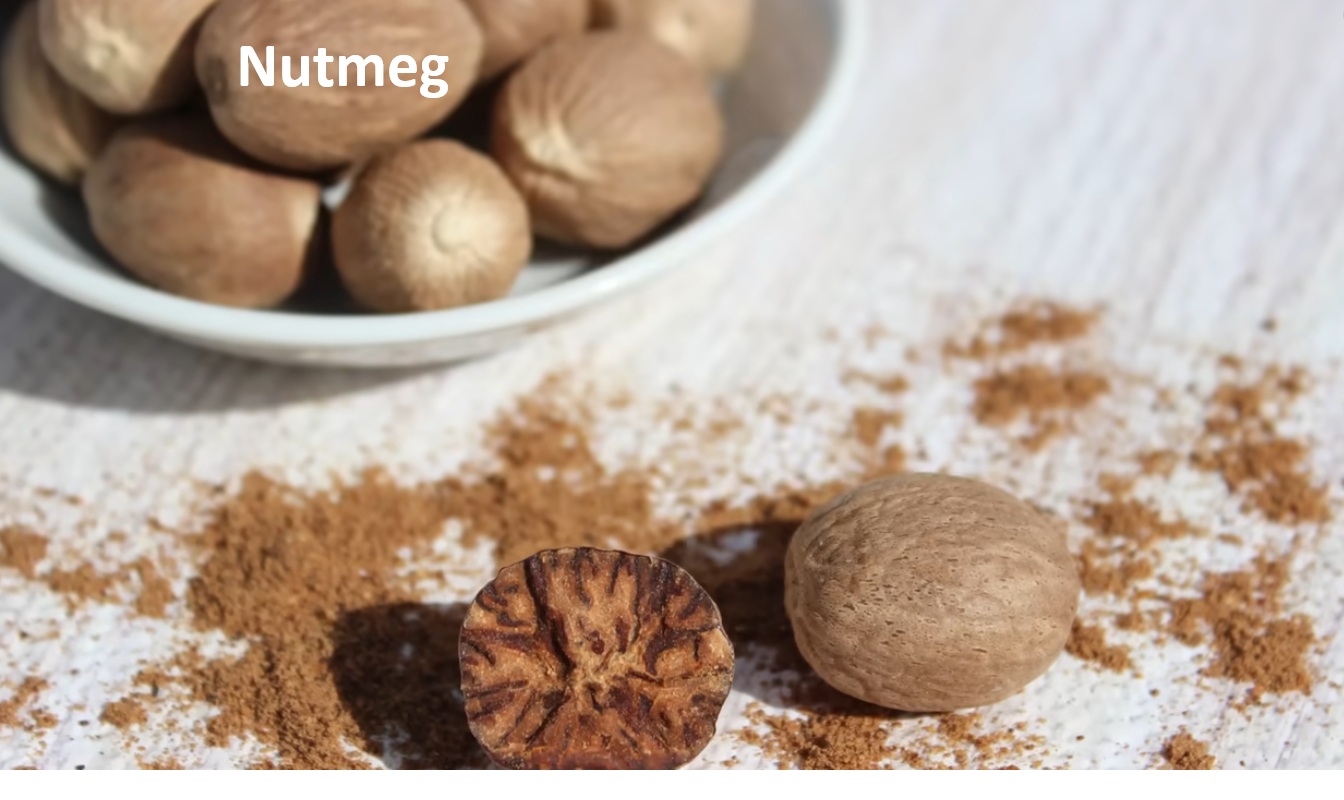
Nutmeg is the seed of a tropical evergreen tree, native to Indonesia. The seed sits inside a fruit that splits open when ripe. The seed itself is nutmeg, and the red lacy covering around it is the spice called mace.
Nutmeg has a strong, warm flavor that works in both sweet and savory cooking. It’s a key ingredient in eggnog, bechamel sauce, pumpkin pie, and many spice blends.
What the research shows
Nutmeg’s research is thinner than the Tier 1 spices. Some traditional uses have early supporting evidence; others remain mostly traditional.
Sleep
Nutmeg has been used traditionally as a sleep aid in many cultures for hundreds of years. A small 2020 study in the Journal of Pharmacy and Pharmacology found that low doses of nutmeg extract had sedative-like effects in animal models. Human trials are limited but the traditional use is widespread.
A common home remedy is a pinch of grated nutmeg in warm milk before bed. Whether the effect is from the nutmeg specifically or the warm milk routine is hard to disentangle.
Digestion
Nutmeg has traditional use for diarrhea and digestive complaints. The research is mostly preclinical (lab and animal studies), with results suggesting it has anti-inflammatory effects on the gut and some antimicrobial activity. Useful in cooking, but the evidence is preliminary.
Antibacterial activity
Several lab studies have found nutmeg extract effective against common bacteria including some strains of E. coli and Staphylococcus aureus. This is consistent with the traditional use of nutmeg in food preservation.
Mood
Some preclinical research has found nutmeg has antidepressant-like effects in animal models, similar to some prescription antidepressants. There are no large human trials confirming this, so don’t take this as a recommendation for treating depression.
A serious safety note
Nutmeg deserves a stronger warning than most spices. In large doses, it’s actually toxic. Eating more than about a tablespoon of ground nutmeg (around 7-10 grams) at once can cause:
- Hallucinations and altered consciousness
- Severe nausea and vomiting
- Rapid heart rate
- Anxiety, paranoia, and disorientation
The active compound responsible is myristicin. These effects can last 24 hours or more and have been the cause of emergency room visits, particularly among teenagers who consume large amounts on purpose.
The practical takeaway: you’ll never reach this dose by cooking with nutmeg normally. A pinch in a recipe is fine; a quarter teaspoon in eggnog is fine. Just don’t go further. Keep nutmeg away from young children, who could grate or eat too much.
How to use it
Nutmeg is best grated fresh from whole seeds. Pre-ground nutmeg loses flavor fast and tastes muted compared to fresh-grated. A small rasp grater (a microplane works perfectly) is the right tool.
Some classic uses:
- A pinch on top of bechamel sauce for lasagna or moussaka
- A small grating into mashed potatoes
- A pinch in pumpkin pie, apple pie, or sweet potato dishes
- In eggnog with cinnamon
- A small grating in spinach dishes (especially creamed spinach)
- In milk-based desserts like rice pudding or custard
- A pinch in chai or hot chocolate
- Grated over cappuccino or hot cocoa
A little goes a long way. In most recipes calling for ground nutmeg, you only need 1/4 to 1/2 teaspoon for the whole dish.
How much per day
Stick to small amounts in cooking, well under 1/2 teaspoon per day total. There’s no health benefit from using more, and large amounts are genuinely harmful.
Who should be careful
Beyond the dose warnings above:
- Pregnant women should avoid more than the tiny amounts used in cooking. High doses can be problematic during pregnancy.
- Nutmeg interacts with several medications including some antidepressants and blood thinners. Talk to your doctor if you’re taking medications and using nutmeg in larger-than-cooking amounts.
- Keep whole nutmeg seeds away from young children. They look interesting and a child could eat several.
Buying and storing
Buy whole nutmeg seeds, not pre-ground. They look like small brown wrinkled balls about the size of a marble. Whole nutmegs keep their flavor for several years in a sealed container, while pre-ground nutmeg loses most of its potency within a year.
A microplane grater is the right tool. Grate just the amount you need, when you need it. The aroma when you grate fresh nutmeg is one of the more enjoyable kitchen experiences and a real reminder of why fresh-grated matters.
Related spices
Spices that work well alongside this one, or share similar benefits.
Cinnamon: Benefits, Types, and How Much to Use
Use half a teaspoon of cinnamon a day, sprinkled on oats, yogurt, or stirred into coffee. Pick Ceylon (true cinnamon)...
Cloves: The Highest-Antioxidant Spice and How to Use It
Use whole cloves in slow-cooked dishes like braises, mulled wine, and rice. Ground cloves go in baking and chai. A qu...
Cardamom: Heart Health, Digestion, and How to Use It
Crush green cardamom pods lightly with the side of a knife and add to chai, coffee grounds before brewing, or to rice...