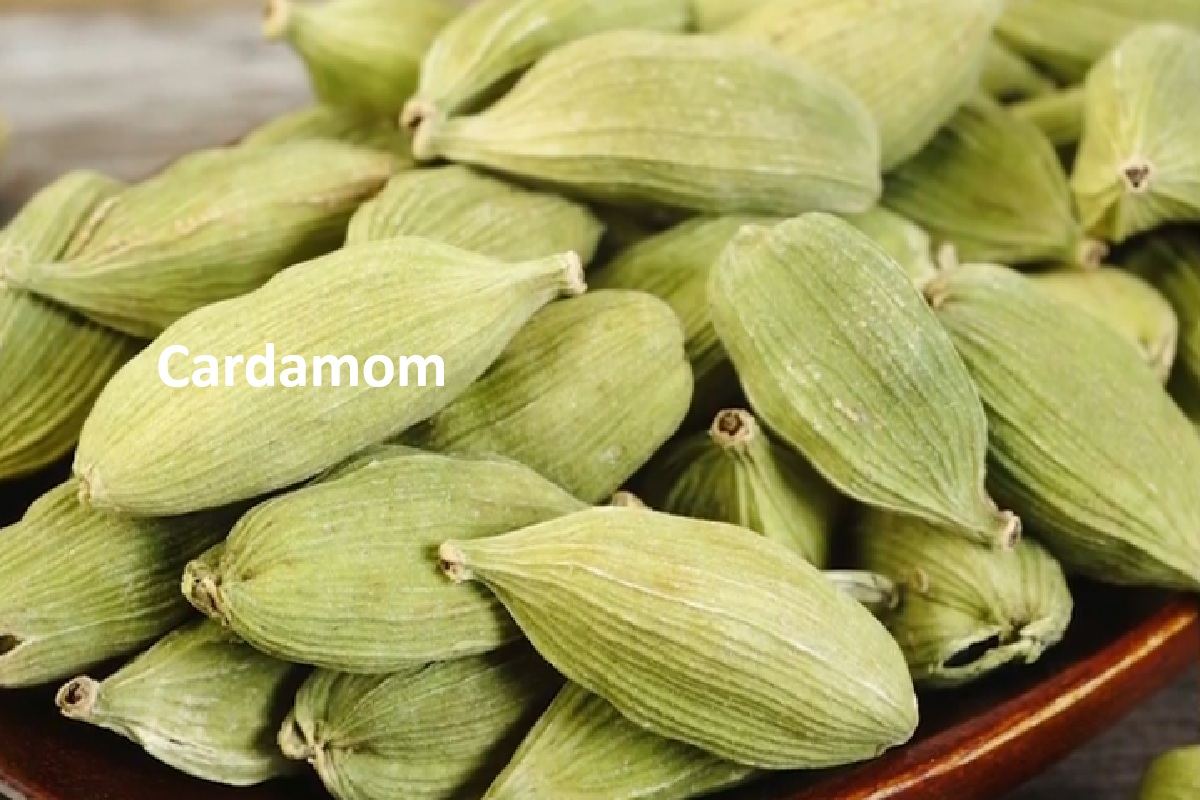
Cardamom: Heart Health, Digestion, and How to Use It
Crush green cardamom pods lightly with the side of a knife and add to chai, coffee grounds before brewing, or to rice as it cooks. Small trials have found cardamom lowers blood pressure modestly in people with hypertension. Use 2 to 3 pods per dish; the flavor is intense and pleasant in small amounts.
What cardamom is
Cardamom is the seed pod of a plant in the ginger family, native to India and Sri Lanka. There are two main types: green cardamom (the most common, with intense floral flavor) and black cardamom (larger, smokier, used in savory Indian dishes). Most recipes call for green cardamom unless specified.
After saffron and vanilla, cardamom is the third most expensive spice in the world. A little goes a long way.
What the research shows
Most research on cardamom has come from India and the Middle East, where it has long medicinal traditions.
Blood pressure
A 2009 trial in India gave 20 newly diagnosed hypertension patients 3 grams of cardamom powder daily for 12 weeks. Systolic and diastolic blood pressure both dropped meaningfully. The trial was small and uncontrolled, but the result has been replicated in a few similar trials since.
The proposed mechanism is a combination of mild diuretic effects, antioxidant activity, and possible smooth muscle relaxation.
Metabolic markers
A 2017 trial in 87 people with type 2 diabetes found cardamom supplementation improved insulin sensitivity and inflammation markers over 10 weeks. The doses were 3 grams per day in powder form (much more than typical cooking amounts).
Digestion
Cardamom has a long traditional use for digestive issues including indigestion, gas, and bloating. There’s less formal trial evidence for these uses than for blood pressure, but the traditional use is widespread enough across cultures (Indian, Middle Eastern, Scandinavian) to suggest some real effect.
Bad breath
Chewing cardamom pods after meals is a traditional breath freshener in India and the Middle East, and there’s research supporting it. The antimicrobial effects of cardamom oil reduce mouth bacteria in lab settings.
How to use it
Cardamom is intense and floral. It works in both sweet and savory dishes. Some uses worth trying:
- 2-3 lightly crushed pods added to your coffee grounds before brewing (Arabic-style coffee)
- A few crushed pods in masala chai with ginger, cinnamon, and black pepper
- Pods added to basmati rice as it cooks
- Ground cardamom in cardamom buns (cardamom is huge in Scandinavian baking)
- A pinch in oatmeal, rice pudding, or yogurt with honey
- In curries, biryanis, and pilafs
- A few seeds chewed after meals as a breath freshener
When using whole pods, crush them lightly first to release the flavor from the seeds inside. You can leave the pods in the dish (people will fish them out) or strain them out before serving.
For more concentrated flavor, crack the pods open and use just the small black seeds inside, sometimes ground in a mortar and pestle.
How much per day
In cooking, 2-3 pods per dish is plenty. For the cardiovascular effects in studies, doses of 3 grams per day were used, which is around a teaspoon of ground cardamom or 10-15 crushed pods. That’s much more than you’d use in everyday cooking. If you’re interested in cardamom specifically for blood pressure, talk to your doctor about supplement options.
Who should be careful
Cardamom is safe for most people in food amounts. A few cautions:
- People with gallstones should avoid concentrated cardamom supplements; cardamom can stimulate gallbladder contraction.
- Cardamom may lower blood pressure further if you’re already on blood pressure medication. Mention to your doctor if you’re using it consistently.
- Some people have allergic reactions to cardamom, particularly skin reactions to handling fresh seeds.
Buying and storing
Buy whole green cardamom pods, not pre-ground. The pods should be plump and green; brown or yellow pods are old and have lost most of their flavor. Crack one open: the seeds inside should be dark and sticky-fragrant.
Stored whole in an airtight container away from light, pods keep their flavor for two years or more. Once you crack a pod open, the seeds lose flavor within a few months. Pre-ground cardamom is the weakest option and not worth buying unless you use it frequently.
Related spices
Spices that work well alongside this one, or share similar benefits.
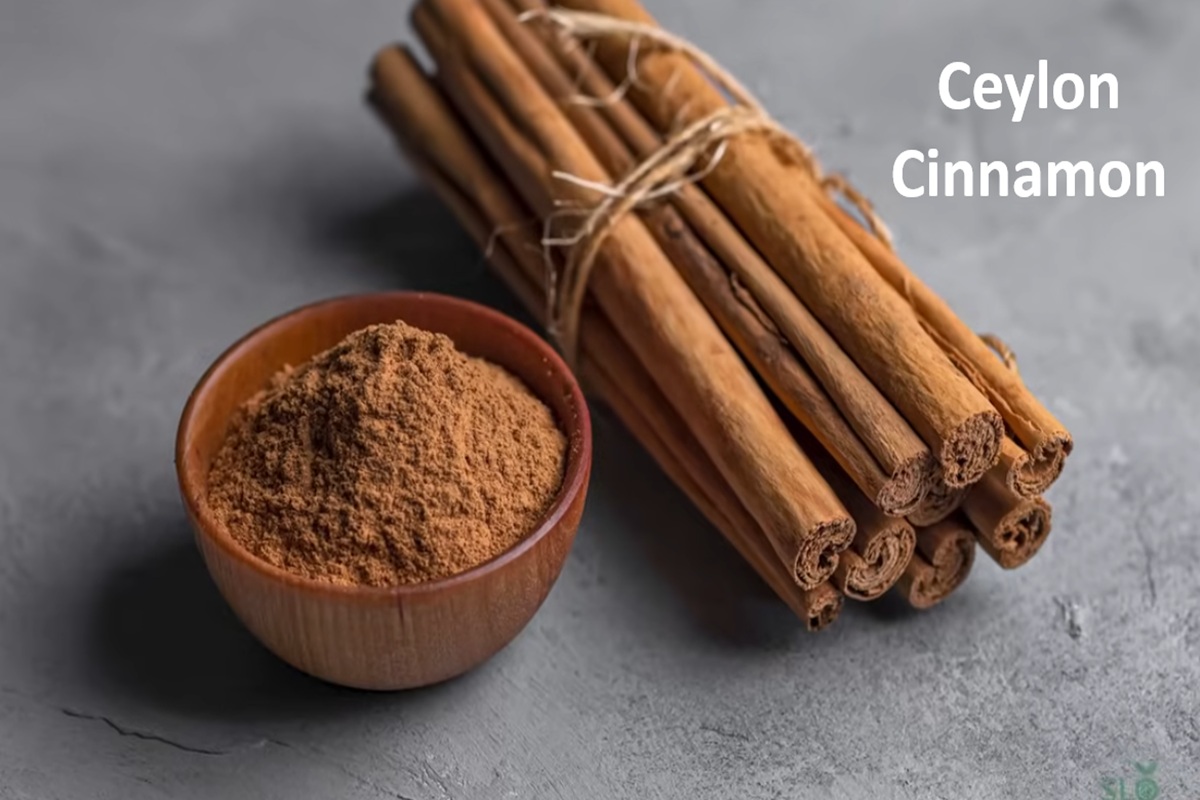
Cinnamon: Benefits, Types, and How Much to Use
Use half a teaspoon of cinnamon a day, sprinkled on oats, yogurt, or stirred into coffee. Pick Ceylon (true cinnamon)...
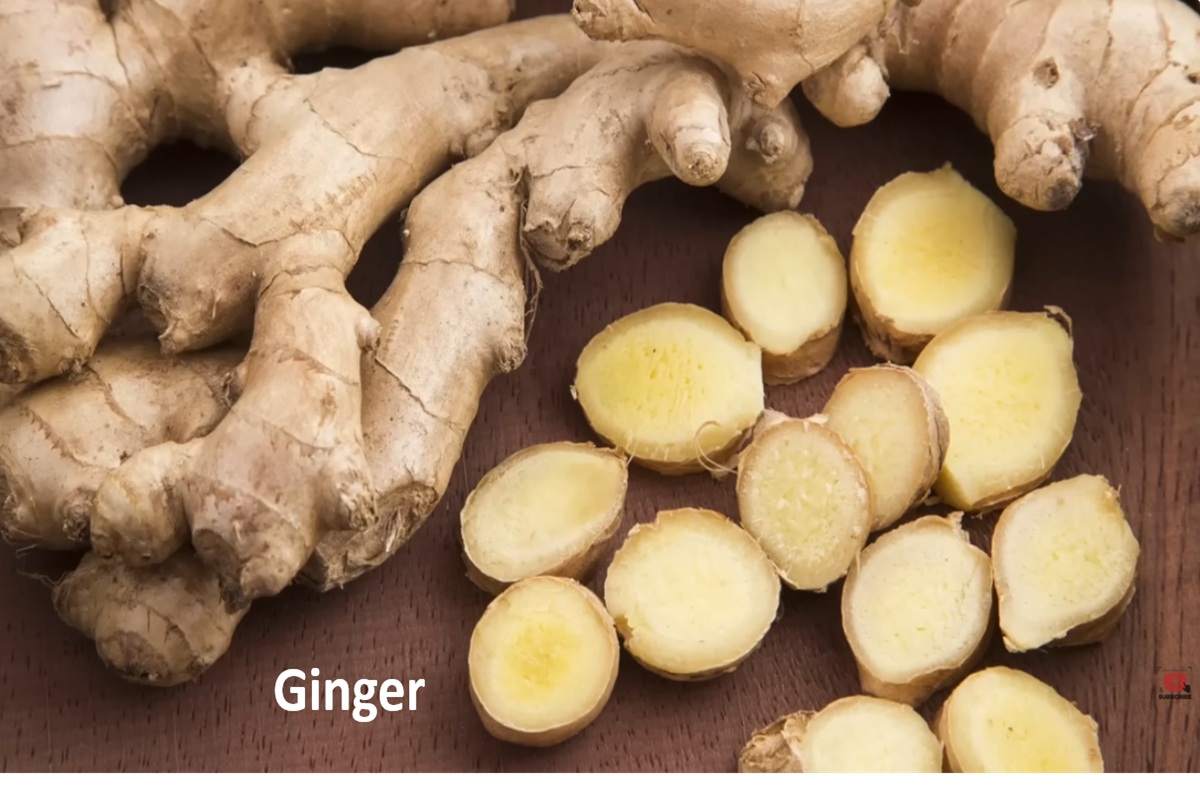
Ginger: Benefits for Nausea, Inflammation, and Cooking
For nausea, chew on a one-inch piece of fresh ginger, or drink ginger tea with a slice steeped in hot water. About on...
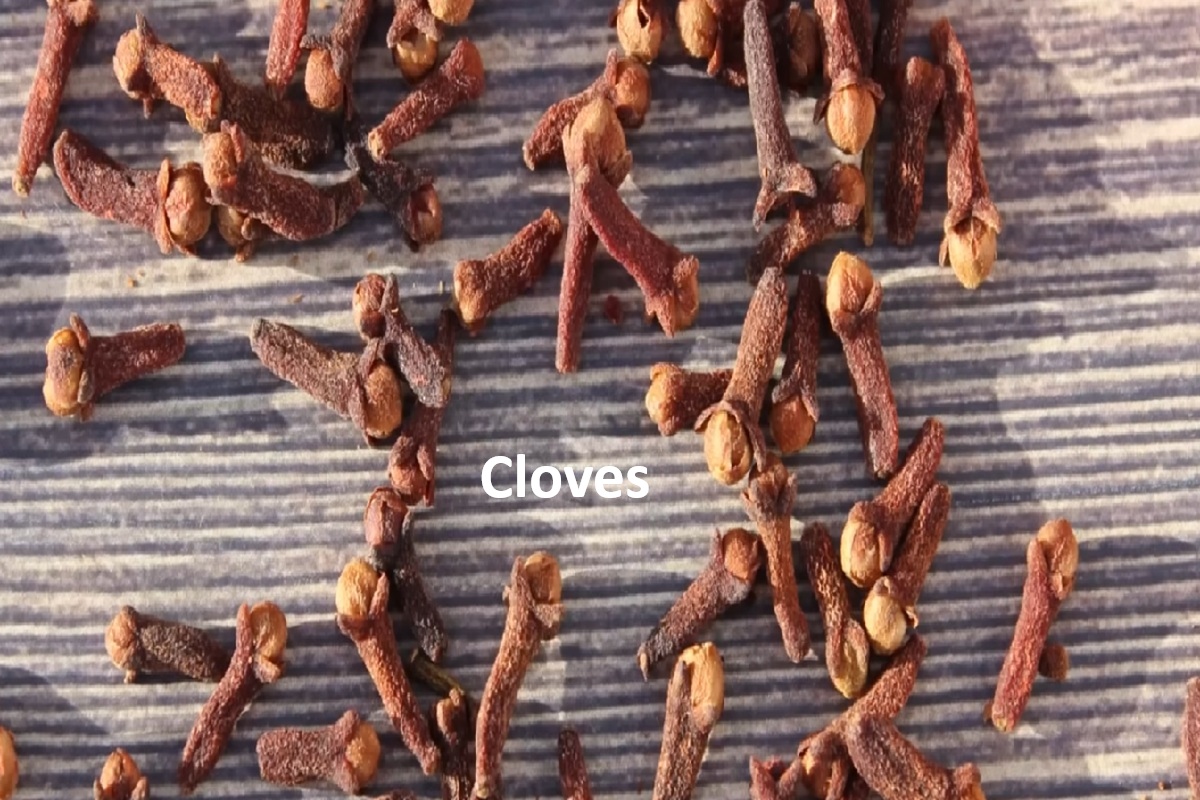
Cloves: The Highest-Antioxidant Spice and How to Use It
Use whole cloves in slow-cooked dishes like braises, mulled wine, and rice. Ground cloves go in baking and chai. A qu...