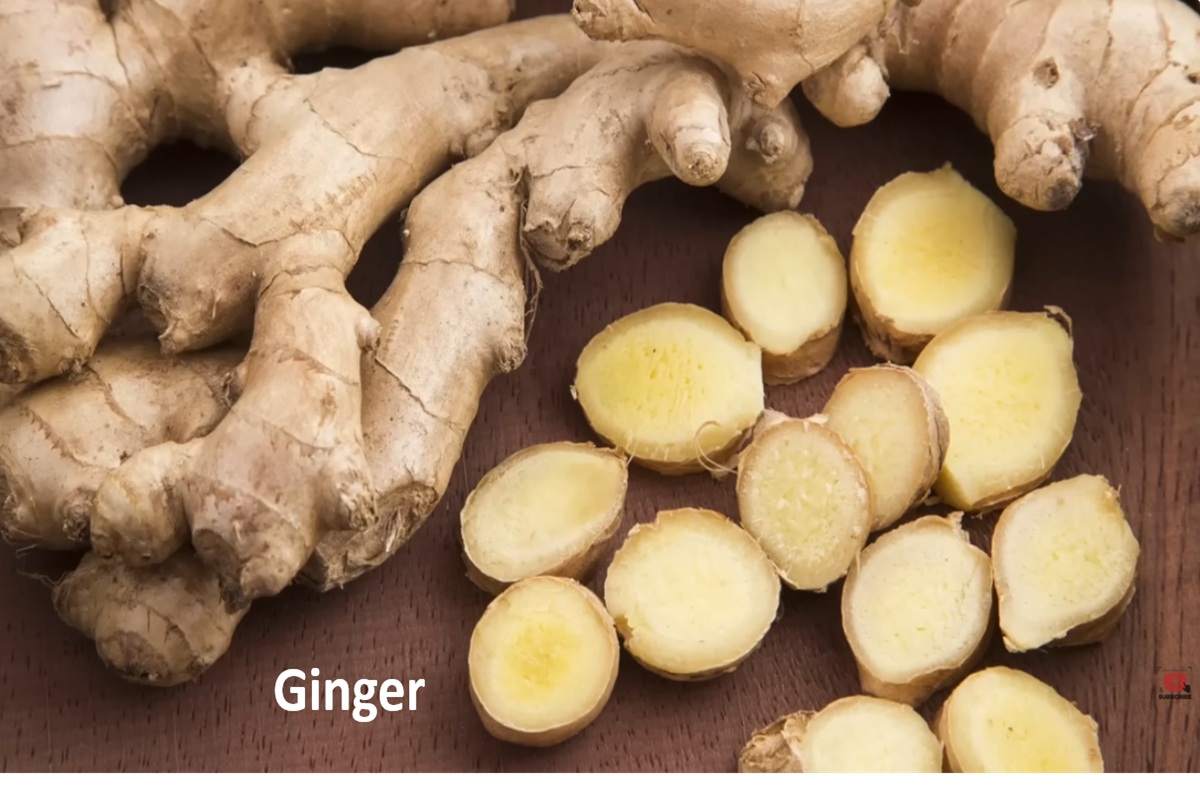
Ginger: Benefits for Nausea, Inflammation, and Cooking
For nausea, chew on a one-inch piece of fresh ginger, or drink ginger tea with a slice steeped in hot water. About one gram a day (half a teaspoon ground or one inch fresh) is the dose used in most studies. Works for morning sickness, motion sickness, and chemotherapy-related nausea.
What ginger is
Ginger is the underground stem (called a rhizome) of a flowering plant in the same family as turmeric and cardamom. Fresh ginger has a bright, sharp flavor. Dried and ground ginger is more concentrated and slightly different in taste, leaning warmer and earthier.
The active compounds in fresh ginger are called gingerols. When ginger is dried or cooked, some of those convert to shogaols, which are even stronger.
What the research shows
Ginger has some of the most consistent research behind it of any spice, especially around nausea.
Nausea relief
This is where the evidence is strongest. Multiple clinical trials and reviews have found ginger reduces nausea and vomiting from a variety of causes:
- A 2014 review of 12 trials found ginger reduced morning sickness in pregnant women, with no signs of harm to mother or baby
- Trials in chemotherapy patients have shown ginger reduces nausea by a meaningful amount when added to standard antiemetic medication
- For motion sickness and post-surgery nausea, ginger has also shown benefit in several smaller trials
The typical dose in studies is around 1 gram of ginger per day, often split into smaller doses. That is about half a teaspoon of ground ginger or a one-inch piece of fresh root.
Inflammation and joint pain
Like turmeric, ginger appears to have anti-inflammatory effects. A 2015 meta-analysis of 5 trials found ginger reduced pain in people with osteoarthritis, with effects similar to but smaller than NSAIDs. The pain relief was modest but consistent.
Digestion
Ginger speeds up gastric emptying, which is the rate at which food moves out of the stomach. Slow gastric emptying causes that heavy, uncomfortable feeling after a meal. Studies have found ginger helps with functional dyspepsia (a fancy name for indigestion without a clear cause).
How to use it
Ginger is one of the most flexible spices in the kitchen. A few ways to get a regular dose:
- A one-inch piece of fresh ginger sliced into hot water, with a squeeze of lemon and a touch of honey, as tea
- Grated fresh ginger into stir-fries, soups, and marinades
- Half a teaspoon of ground ginger in oatmeal, smoothies, or muffin batter
- Pickled ginger as a side to sushi or grain bowls
- Candied ginger as a snack, but watch the sugar
For nausea specifically, fresh ginger or ginger tea work fastest. Ground ginger in capsules also works but takes a bit longer.
How much per day
About 1 gram per day is the dose used in most clinical studies. That is roughly:
- Half to one teaspoon of ground ginger
- A one-inch piece of fresh root
- 2 to 4 cups of strong ginger tea
You can use more than this in cooking without any problem. The 1-gram figure is just where the research has found consistent effects.
Who should be careful
Ginger is safe for most people. A few notes:
- In high amounts (more than 4 grams per day), it can thin the blood slightly. People on warfarin or aspirin should keep doses modest
- Some people get heartburn from large amounts of fresh ginger on an empty stomach
- During pregnancy, ginger is well-studied and considered safe for morning sickness in normal food amounts. Talk to your doctor before using supplement doses
Buying and storing
Fresh ginger should have smooth, taut skin and feel heavy for its size. Wrinkled or soft ginger is past its best. Store unpeeled in a paper bag in the fridge for up to three weeks, or peel and freeze in chunks for months. Ground ginger keeps about a year in a sealed jar away from light.
Related spices
Spices that work well alongside this one, or share similar benefits.
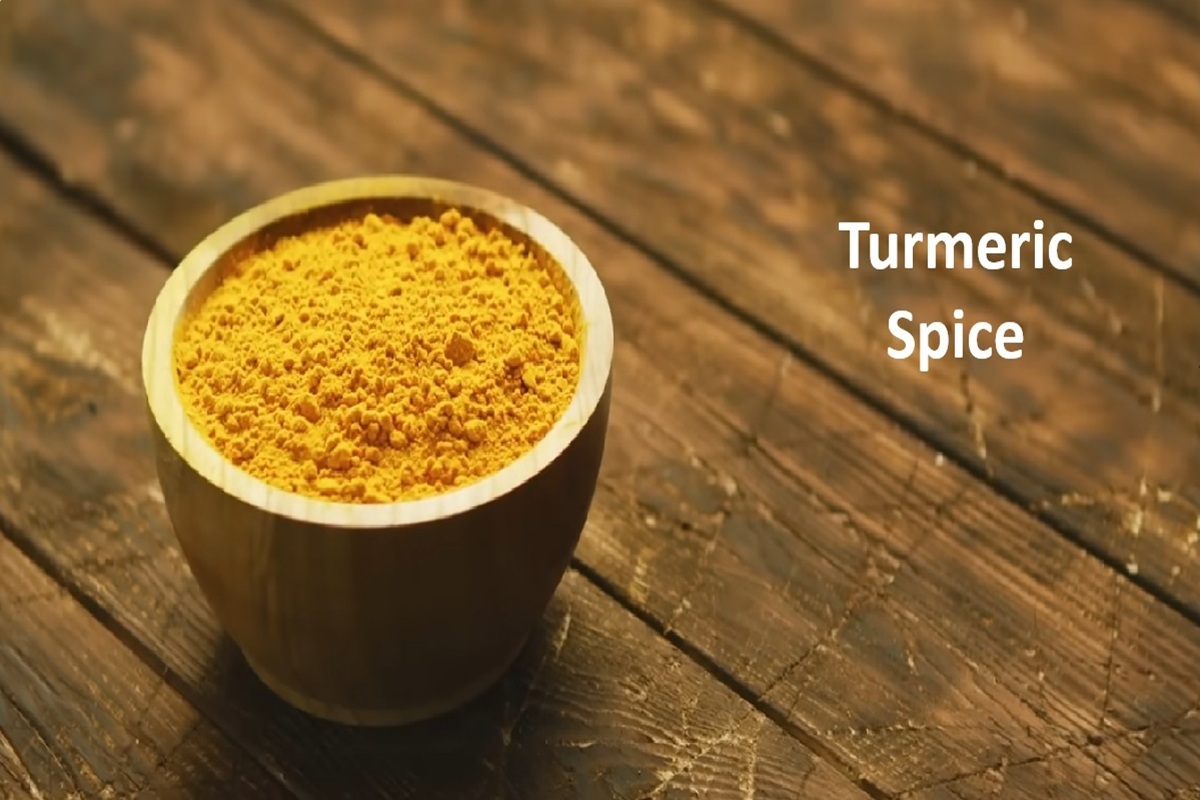
Turmeric: Benefits, Uses, and What the Research Says
Take half a teaspoon of turmeric a day with a crack of black pepper and a bit of fat like olive oil or coconut milk. ...
Black Pepper: Piperine, Absorption, and Why It Pairs with Turmeric
Always grind black pepper fresh and add a crack of it to any dish with turmeric. The piperine in pepper boosts curcum...
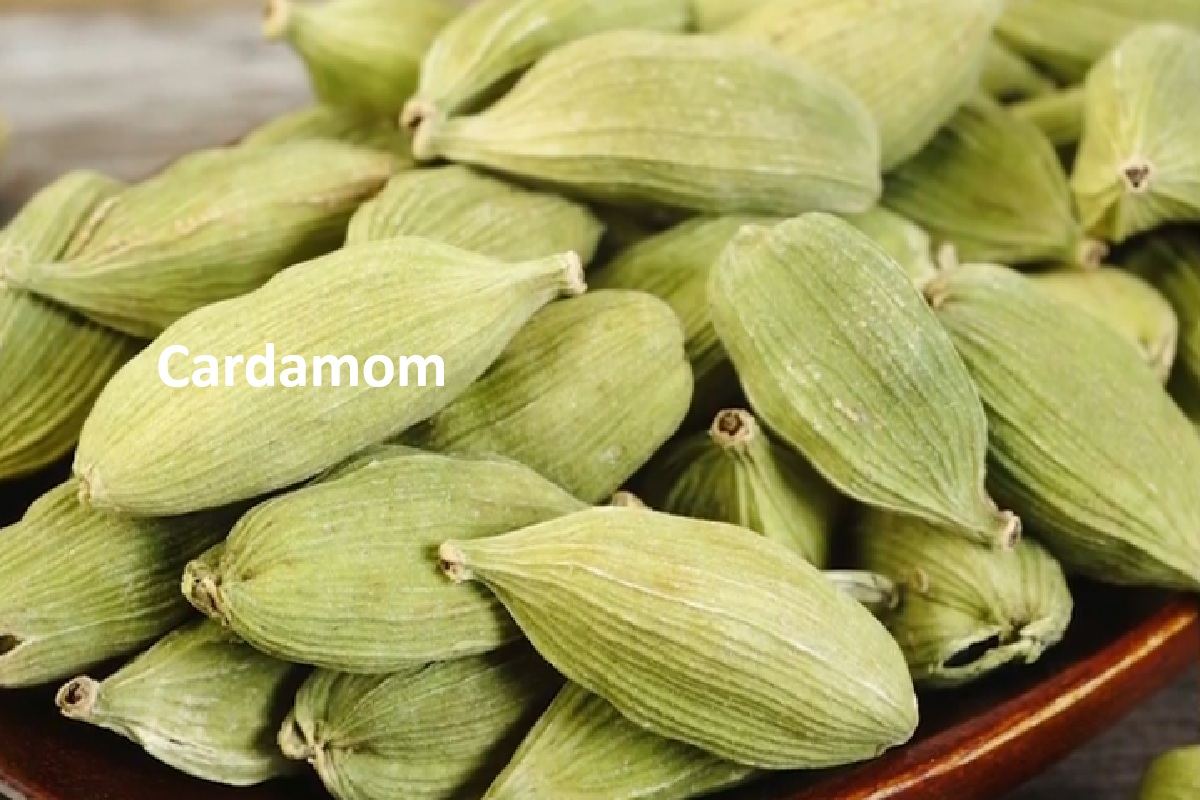
Cardamom: Heart Health, Digestion, and How to Use It
Crush green cardamom pods lightly with the side of a knife and add to chai, coffee grounds before brewing, or to rice...