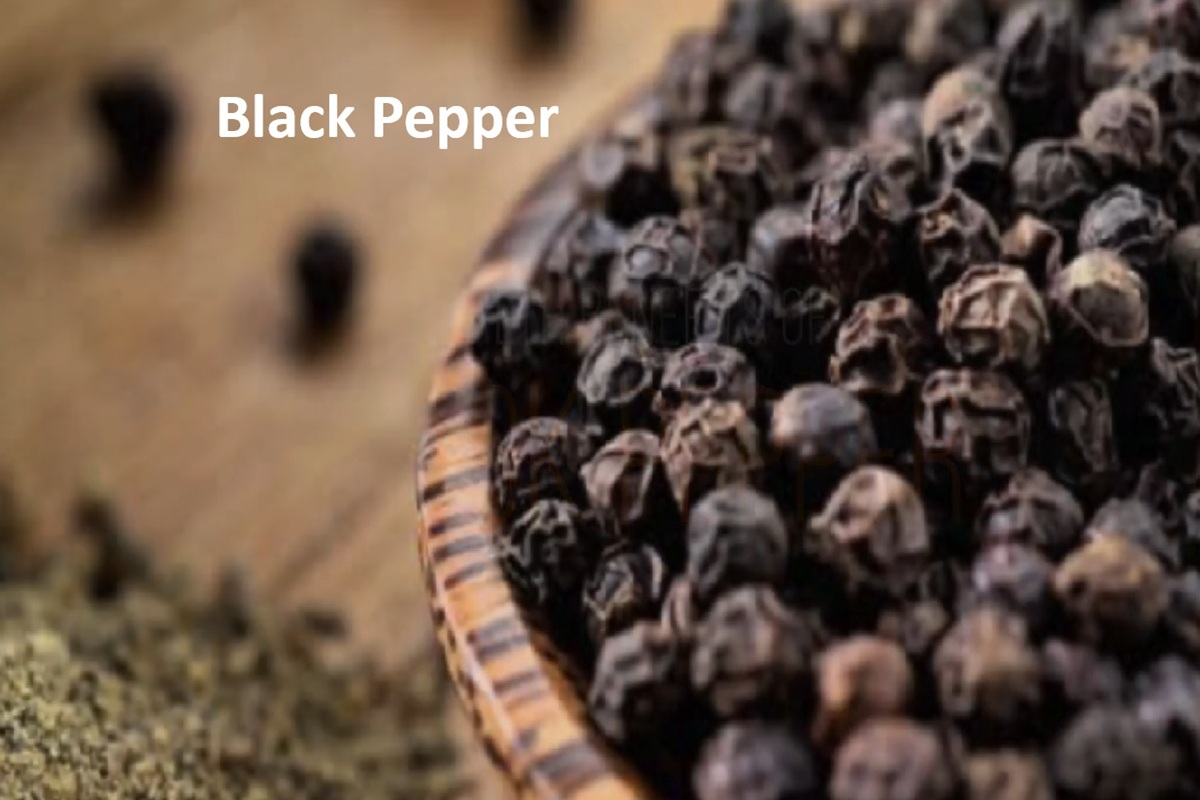
Black Pepper: Piperine, Absorption, and Why It Pairs with Turmeric
Always grind black pepper fresh and add a crack of it to any dish with turmeric. The piperine in pepper boosts curcumin absorption by around 2,000 percent. Pre-ground pepper loses most of its potency within months, so a small pepper mill earns its keep fast. Use roughly a quarter teaspoon per dish.
What black pepper is
Black pepper is the dried, unripe fruit of a flowering vine. The same vine produces all three colors of peppercorn (green, black, white) depending on ripeness and processing. Black peppercorns are picked early and sun-dried, which gives them their dark color and the strongest flavor.
The active compound in black pepper is piperine. It’s both the source of pepper’s heat and the reason pepper does interesting things in combination with other spices and nutrients.
What the research shows
Pepper’s research story is less about pepper alone and more about what it does for other things.
Boosting curcumin absorption (the big one)
This is the most famous finding about black pepper. A landmark 1998 study in Planta Medica found that adding piperine to curcumin (the active compound in turmeric) increased curcumin’s bioavailability by 2,000 percent. Without piperine, curcumin is poorly absorbed and most of it passes through the gut unused.
Practical version: if you cook with turmeric, add black pepper. The pairing is built into nearly every traditional Indian dish for good reason.
Boosting absorption of other nutrients
Piperine has been shown to improve absorption of:
- Selenium and beta-carotene
- Vitamin B6 and resveratrol
- Some other plant compounds
The effect is smaller than with curcumin but still meaningful.
Anti-inflammatory effects
Piperine has anti-inflammatory activity in its own right, separate from its absorption-boosting effects. Several lab studies and some clinical trials have found it reduces inflammation markers, though the research is smaller than for the absorption story.
Digestion
Black pepper stimulates the release of digestive enzymes. People with sluggish digestion sometimes find pepper at meals helps. The traditional use of pepper at the start of a meal has some basis in this.
Antioxidant content
Black pepper is high in antioxidants, mostly from piperine and related compounds. Like most spices, this is one of those measurable-but-modest contributions to overall diet.
Fresh-ground vs pre-ground
This matters more for pepper than almost any other spice. Piperine and the aromatic oils in pepper start breaking down within hours of grinding. Pre-ground pepper sitting in a jar for months has lost most of what makes pepper interesting.
A small pepper grinder is one of the best $15 investments you can make for your kitchen. The difference in flavor between fresh-cracked and pre-ground is dramatic, like the difference between fresh-brewed coffee and instant.
How to use it
Black pepper goes with almost everything savory. Some pairings that are especially worth doing:
- Generous cracks on anything with turmeric (curry, golden milk, scrambled eggs with turmeric)
- Finishing pepper on steak, eggs, pasta, soups, salads
- In rubs for grilled or roasted meat and vegetables
- A few peppercorns added whole to slow-cooked stews and broths
- In dressings, especially Caesar-style and creamy ones
- Cracked over fresh strawberries with a touch of balsamic (unexpectedly good)
Add pepper toward the end of cooking when you can. Long cooking dulls the volatile oils that give pepper its distinctive flavor.
How much per day
There’s no specific dose for pepper as a stand-alone health benefit. For boosting turmeric absorption, even a small amount (a quarter teaspoon) is enough to produce the bioavailability effect. Use pepper to taste; it’s hard to overdo in normal cooking.
Who should be careful
Black pepper is safe for most people. A few cautions:
- Piperine’s absorption-boosting effect works for both nutrients and medications. If you take prescription drugs, talk to your doctor before adding a piperine supplement (the pepper you cook with is fine, but concentrated supplements are different).
- Some people get heartburn from large amounts of pepper, especially if they’re sensitive to capsaicin too.
- Whole peppercorns are a choking hazard for young children.
Buying and storing
Buy whole peppercorns, not pre-ground. Tellicherry peppercorns are a premium variety that’s worth trying if you want to taste what pepper really has to offer. Store whole peppercorns in an airtight container away from light and heat. They’ll keep their flavor for several years.
Refill your pepper grinder once a month or so, and don’t bother with the giant pepper shakers from the supermarket. Pre-ground pepper that’s been sitting for six months is barely better than sawdust.
Related spices
Spices that work well alongside this one, or share similar benefits.
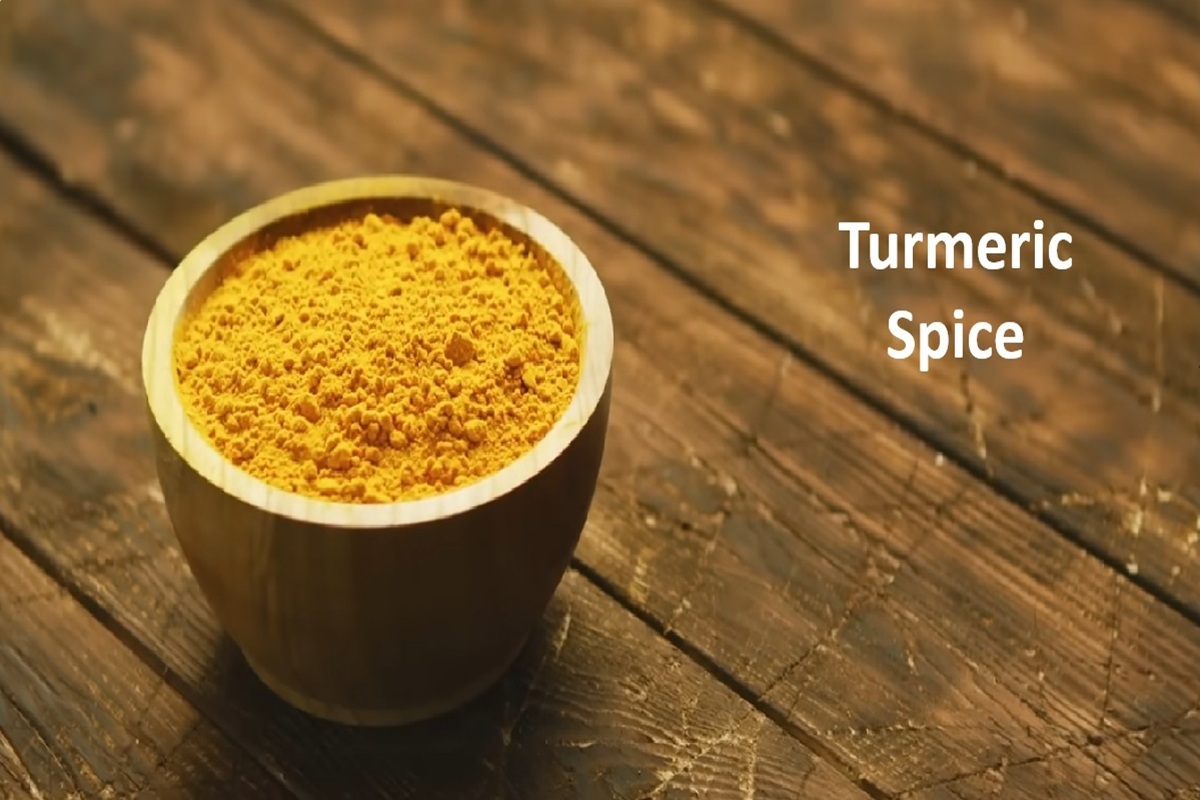
Turmeric: Benefits, Uses, and What the Research Says
Take half a teaspoon of turmeric a day with a crack of black pepper and a bit of fat like olive oil or coconut milk. ...
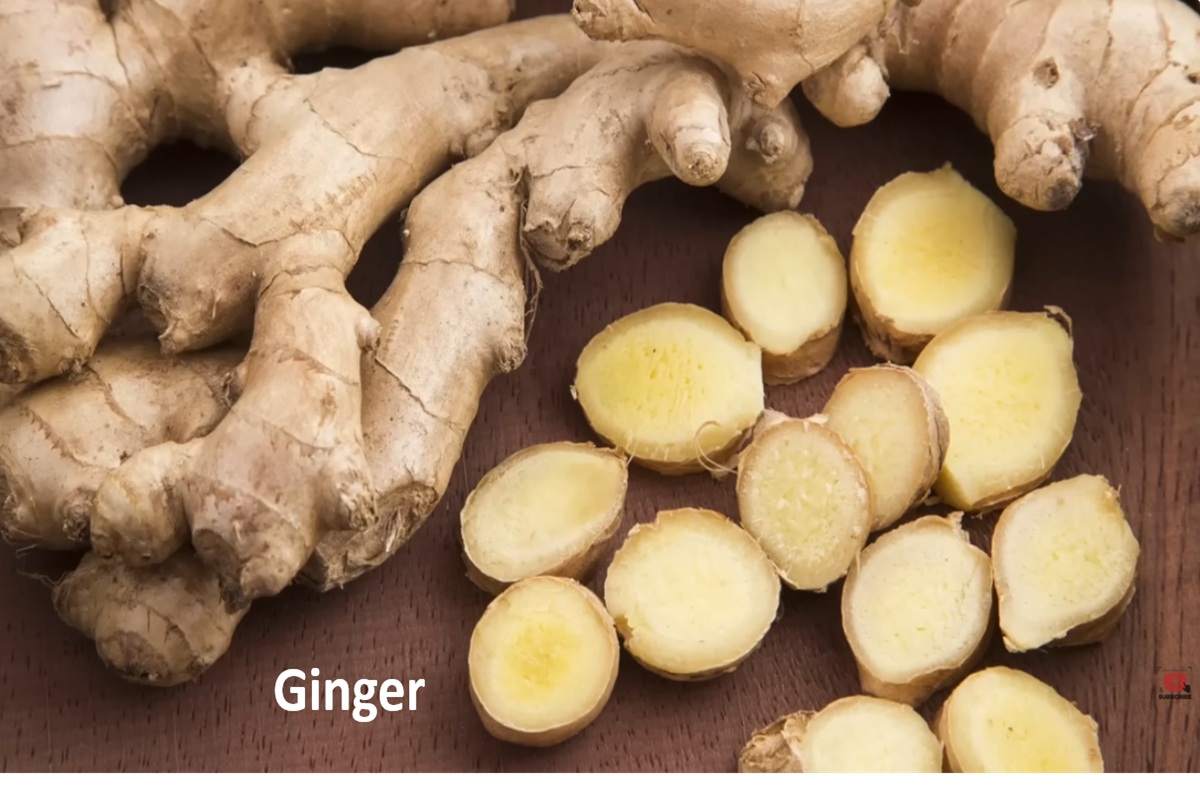
Ginger: Benefits for Nausea, Inflammation, and Cooking
For nausea, chew on a one-inch piece of fresh ginger, or drink ginger tea with a slice steeped in hot water. About on...
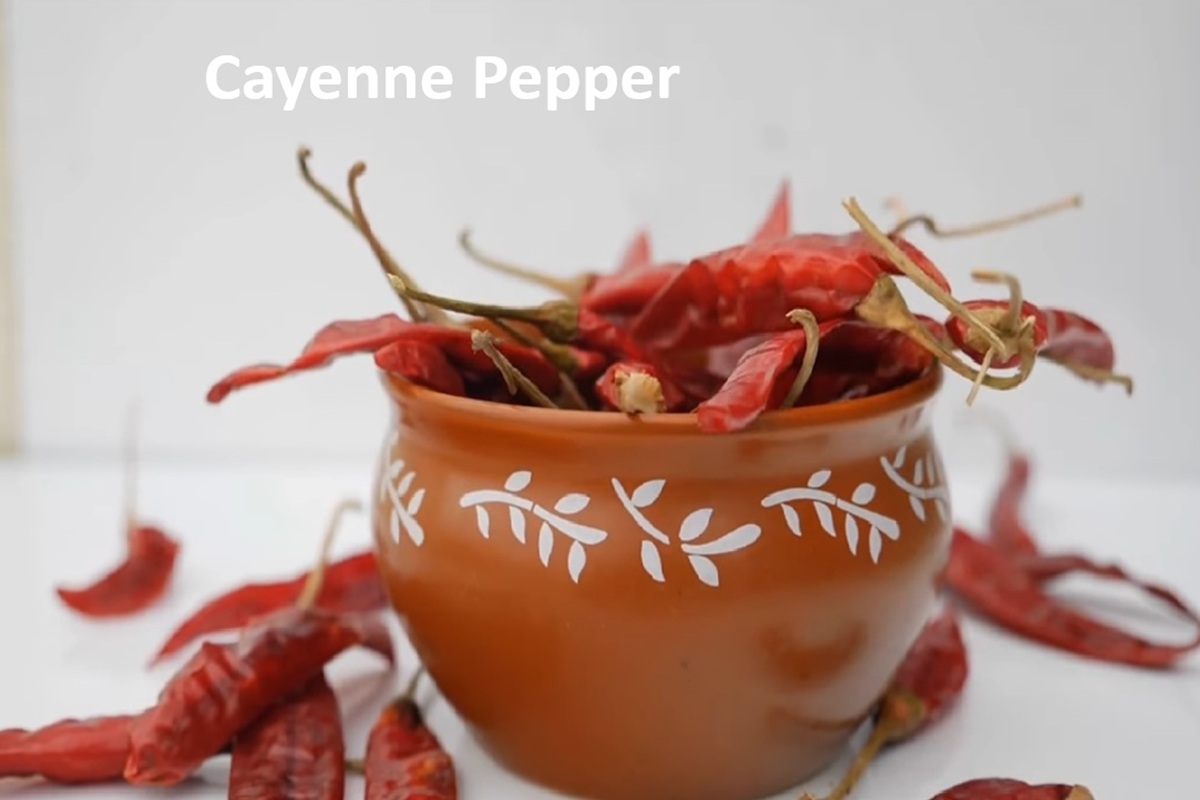
Cayenne Pepper: Capsaicin, Metabolism, and How to Use It
Start with a quarter teaspoon of cayenne in soups, chili, or eggs and work up from there. Capsaicin, the heat compoun...