
Cayenne Pepper: Capsaicin, Metabolism, and How to Use It
Start with a quarter teaspoon of cayenne in soups, chili, or eggs and work up from there. Capsaicin, the heat compound, gives a small short-term metabolism bump and works as a topical pain reliever in creams. Skip if you have reflux or ulcers. A pinch in hot chocolate or coffee is a popular morning add.
What cayenne is
Cayenne is made from dried, ground hot chili peppers. The active compound that produces the heat, capsaicin, is also the source of most of its researched effects. Cayenne sits in the middle of the chili pepper world for heat. It is much hotter than paprika but much milder than something like a ghost pepper.
What the research shows
The strongest research on cayenne is around capsaicin specifically. Capsaicin is what gets studied because it’s the active compound.
Pain relief
Topical capsaicin creams (0.025 to 0.075 percent strength) have been used in pain management for decades. A 2017 review in the British Journal of Anaesthesia found capsaicin patches and creams effective for nerve pain (diabetic neuropathy, post-shingles pain) and arthritis pain. The mechanism is interesting: capsaicin temporarily depletes substance P, a neurotransmitter involved in transmitting pain signals.
This is one of the few spices where the “active compound” research has translated directly into pharmaceutical products you can buy at the drugstore (Zostrix, Capzasin).
Metabolism
Several smaller studies have found that capsaicin gives a small bump to metabolic rate after eating, around 50 extra calories burned per day at typical intake levels. That’s modest and probably not enough to drive meaningful weight loss on its own. But it’s a real, measured effect.
Appetite
A handful of trials have found people eat slightly less at a meal when there’s capsaicin in their food. The effect is small and varies by person.
Cardiovascular health
A 2019 study published in the Journal of the American College of Cardiology followed over 22,000 Italians and found that those who ate chili peppers at least four times a week had a 23 percent lower mortality from heart disease than those who never ate them, even adjusting for other diet factors. This is observational data, not proof of cause and effect, but the relationship is consistent with other research.
How to use it
Cayenne adds heat to nearly anything savory. Some easy starting points:
- A pinch in chili, taco meat, or stews
- A quarter teaspoon in soups, lentil dishes, and curry
- Mixed with olive oil and garlic as a marinade for chicken or fish
- A small dash in scrambled eggs or omelets
- Sprinkled on dark chocolate or stirred into hot chocolate
- Added to roasted nuts and seeds before they go in the oven
- A pinch in your morning coffee for a metabolism nudge
Start small. The heat builds quickly and what feels mild in the pan can become much hotter in the finished dish.
How much per day
There’s no fixed daily dose for cayenne in food. For studies on capsaicin specifically, doses around 2 to 5 mg of capsaicin per day have shown effects, which is roughly a quarter to half a teaspoon of ground cayenne. Most people who use it regularly are well below the dose where side effects become a concern.
Who should be careful
Cayenne isn’t right for everyone. Skip or use minimally if:
- You have acid reflux, GERD, or ulcers. Cayenne can make these much worse.
- You have irritable bowel syndrome with a sensitivity to hot foods
- You’re prone to hemorrhoids, which capsaicin can irritate
- You take blood thinners. Capsaicin has a mild blood-thinning effect.
For most healthy adults, cayenne is fine in moderate amounts. The classic test: if you enjoy it and your stomach feels OK after, you’re probably good.
Buying and storing
Ground cayenne loses heat over time. Fresh-ground cayenne should be deep red, almost orange. Faded brick-red color usually means it has lost potency. Whole dried cayenne peppers keep longer than ground, and you can grind them as needed in a coffee mill or mortar and pestle.
Store in an airtight container away from light and heat. Most cayenne keeps its punch for about a year if stored well.
Related spices
Spices that work well alongside this one, or share similar benefits.
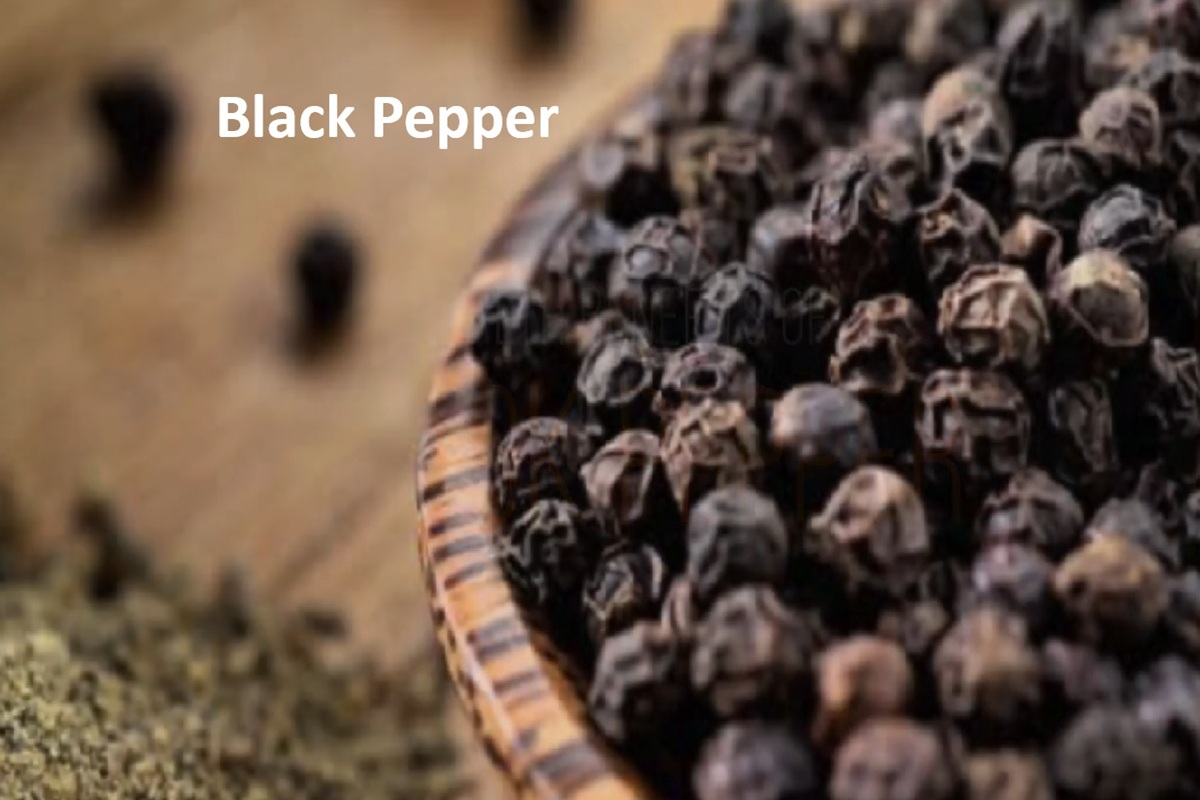
Black Pepper: Piperine, Absorption, and Why It Pairs with Turmeric
Always grind black pepper fresh and add a crack of it to any dish with turmeric. The piperine in pepper boosts curcum...

Paprika: Carotenoids, Eye Health, and the Three Main Types
Pick smoked paprika for adding depth to bean dishes, stews, and rubs. Sweet paprika is the all-purpose version for sp...
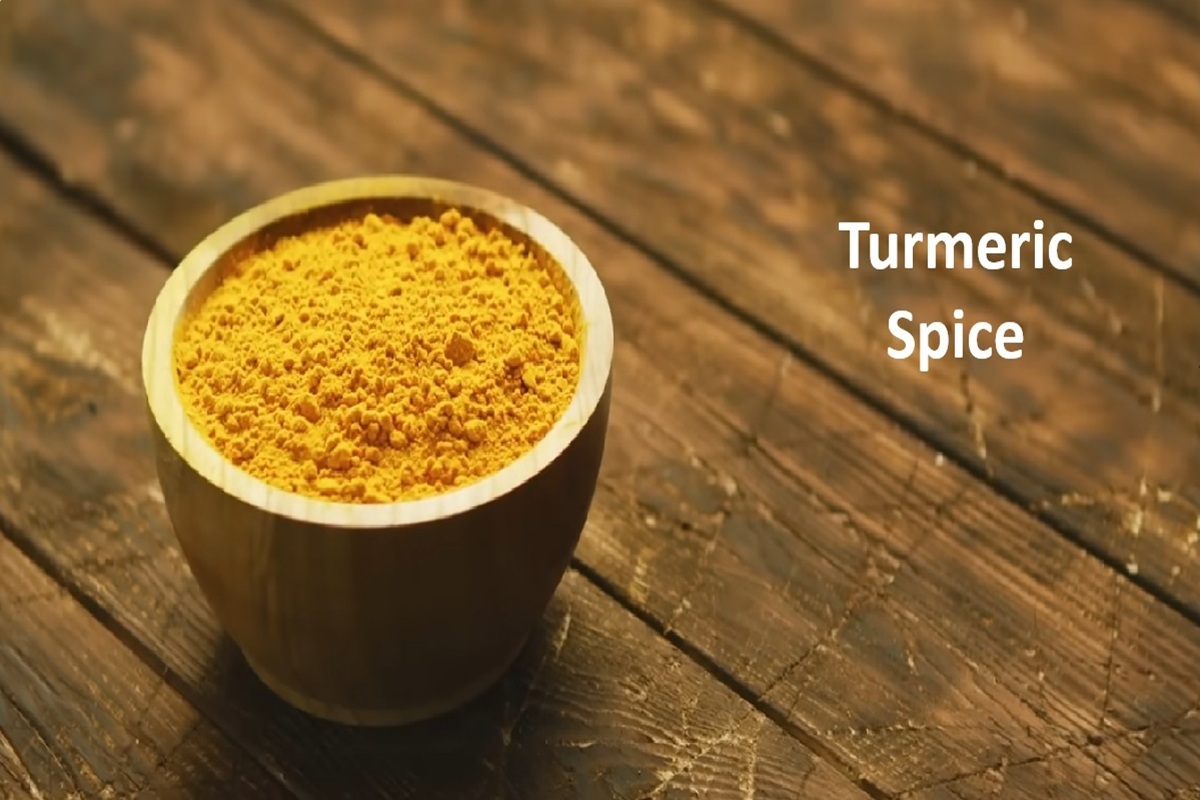
Turmeric: Benefits, Uses, and What the Research Says
Take half a teaspoon of turmeric a day with a crack of black pepper and a bit of fat like olive oil or coconut milk. ...