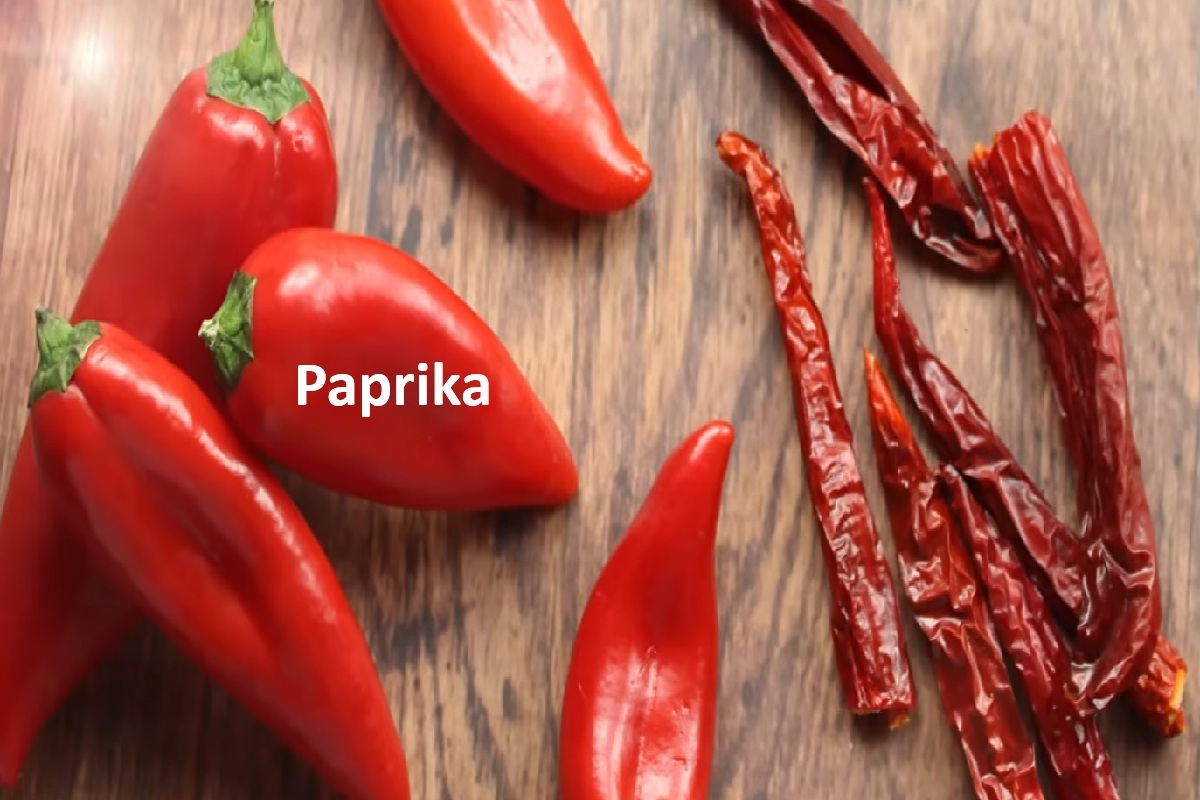
Paprika: Carotenoids, Eye Health, and the Three Main Types
Pick smoked paprika for adding depth to bean dishes, stews, and rubs. Sweet paprika is the all-purpose version for sprinkling on hummus, deviled eggs, and roasted potatoes. Paprika is high in carotenoids, particularly capsanthin, which is being studied for eye health. Hot paprika has a kick but less heat than cayenne.
What paprika is
Paprika is made from dried, ground sweet or mildly hot peppers, the same species as bell peppers and cayenne. Most paprika comes from Spain or Hungary, where the spice trade goes back centuries.
There are three main types worth knowing:
- Sweet paprika (the most common). Mild, slightly sweet, fruity. The all-purpose version.
- Smoked paprika (also called pimentón). The peppers are smoked over oak before grinding. Deep, smoky flavor. Used heavily in Spanish cooking.
- Hot paprika (sometimes labeled “spicy”). Has a real kick, though milder than cayenne.
When a recipe says “paprika” without specifying, it usually means sweet paprika. Smoked paprika changes the dish noticeably, so it’s worth substituting only if you want that flavor.
What the research shows
Paprika has less direct human trial data than the Tier 1 and 2 spices, but the carotenoid story is interesting and well-supported.
Eye health and carotenoids
Paprika is high in carotenoid antioxidants, particularly capsanthin (which gives paprika its red-orange color), beta-carotene, lutein, and zeaxanthin. Lutein and zeaxanthin are particularly studied for eye health.
A 2017 review of trials found that lutein and zeaxanthin supplementation slowed the progression of age-related macular degeneration and improved visual function in people with the condition. The amounts in studies were often higher than what you’d get from food alone, but paprika is one of the higher dietary sources of these compounds.
Vitamin A from beta-carotene
Beta-carotene from paprika converts to vitamin A in the body. A teaspoon of paprika provides a small amount of vitamin A, contributing to total daily intake.
Capsanthin specifically
Capsanthin is the dominant carotenoid in paprika and is being investigated for cardiovascular benefits. Some preclinical research suggests it may help with cholesterol numbers and inflammation. Human trials are limited.
Antioxidant content
Like other concentrated pepper-based spices, paprika has good antioxidant activity. The smoked variety has slightly less because some of the volatile compounds are lost in smoking, but the difference is small.
How to use it
Each type of paprika has its best uses.
Sweet paprika
- Sprinkled on deviled eggs, hummus, and potato salad
- In rubs for chicken and pork
- A teaspoon in goulash with onions and beef
- In paprikash (Hungarian chicken stew)
- Mixed into mayonnaise for a colorful, mildly spiced spread
- A sprinkle on roasted vegetables for color
Smoked paprika
- In Spanish chickpea and chorizo stews
- Mixed with olive oil and salt as a finish for grilled meat
- In bean dishes, especially black bean and lentil soup
- A teaspoon in chili for an unexpected smoky depth
- In paella with saffron
- Sprinkled on roasted nuts before they go in the oven
- In barbecue rubs
Hot paprika
- Wherever you’d use sweet paprika but want some heat
- In hungarian goulash for a more authentic version
- In rubs where you want warmth without overwhelming chili heat
A note on paprika in oil: paprika’s flavor is fat-soluble. Add it to hot oil at the start of cooking (be careful not to burn it, which happens fast) or stir into already-cooking food. Adding paprika to a dry hot pan turns it bitter quickly.
How much per day
Paprika is mild enough that you can use it generously. A teaspoon per dish is normal, and using more isn’t a problem. For carotenoid health benefits seen in studies, the amounts you’d get from cooking are modest contributors to daily intake, not therapeutic doses.
Who should be careful
Paprika is safe for nearly everyone in any food amount. A few minor cautions:
- Hot paprika contains capsaicin, like cayenne. If you have reflux or ulcers, the hot version may aggravate symptoms.
- Some people are sensitive to nightshades (the family that includes peppers, tomatoes, potatoes, and eggplant). Paprika is in this family.
- Carotenoid intake from food is safe. Very high-dose beta-carotene supplements have caused problems in smokers in some studies, but this doesn’t apply to paprika in food.
Buying and storing
Quality varies dramatically with paprika. The cheapest options taste dusty and have faded color. Mid-range Spanish or Hungarian paprika is a real step up.
Look for paprika in tins or small jars rather than large plastic containers, since less air exposure means longer freshness. The color should be vivid red or red-orange. Faded, brown-tinged paprika has lost its flavor.
Store in a cool, dark place. Paprika loses color and flavor with light exposure faster than most spices. It keeps about a year if stored well.
Related spices
Spices that work well alongside this one, or share similar benefits.
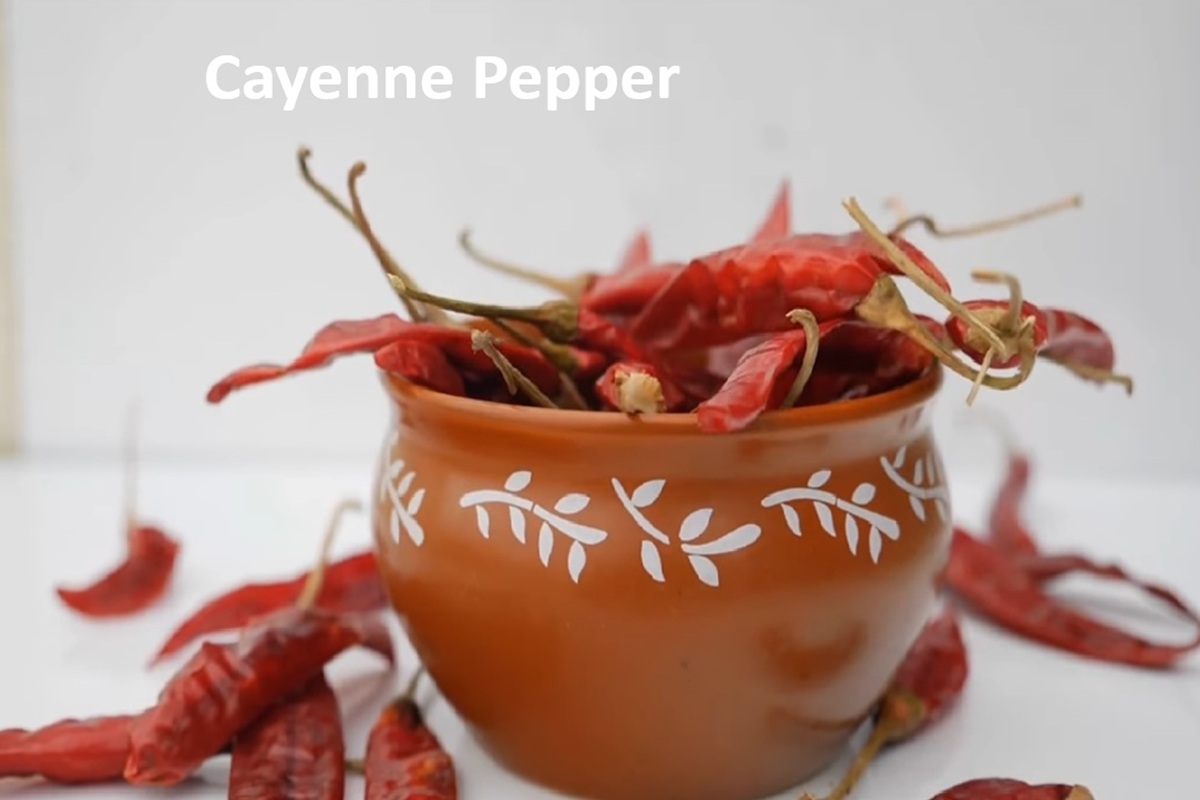
Cayenne Pepper: Capsaicin, Metabolism, and How to Use It
Start with a quarter teaspoon of cayenne in soups, chili, or eggs and work up from there. Capsaicin, the heat compoun...
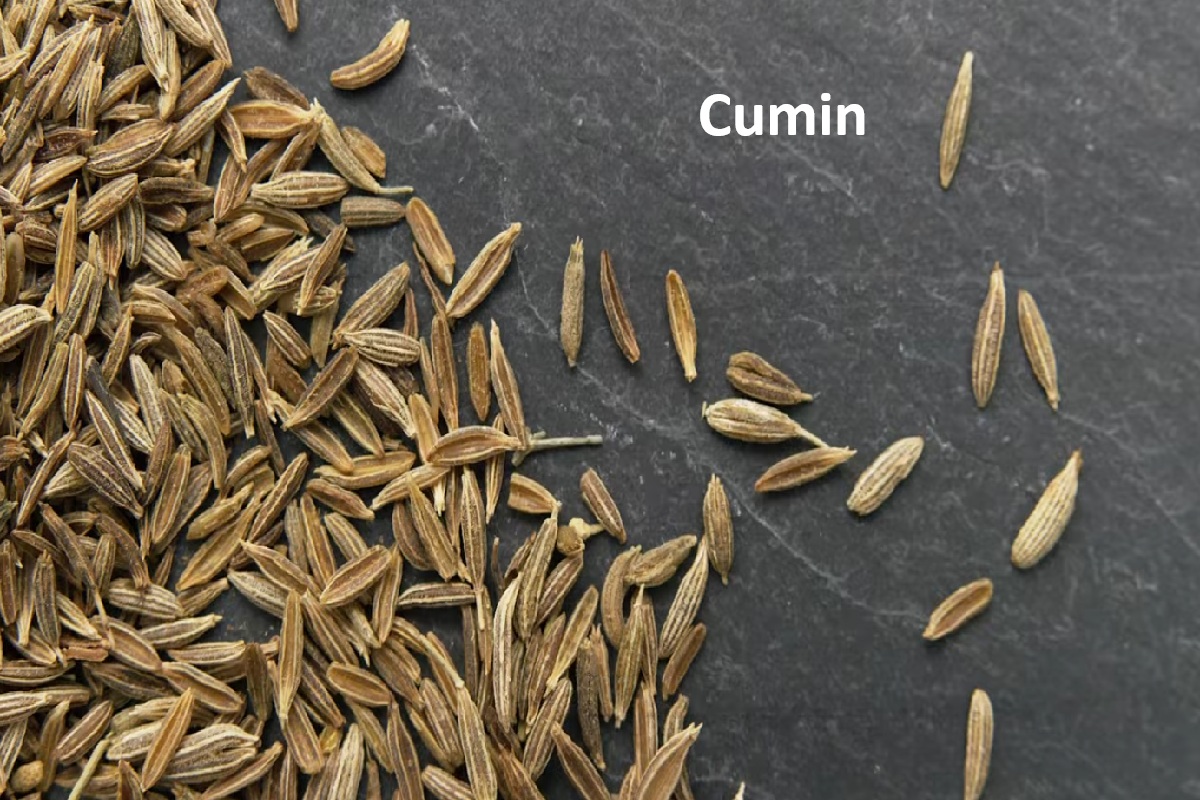
Cumin: Digestion, Iron, and How to Toast Seeds
Toast whole cumin seeds in a dry pan for 30 seconds before adding to dishes; this releases the oils and the flavor ju...
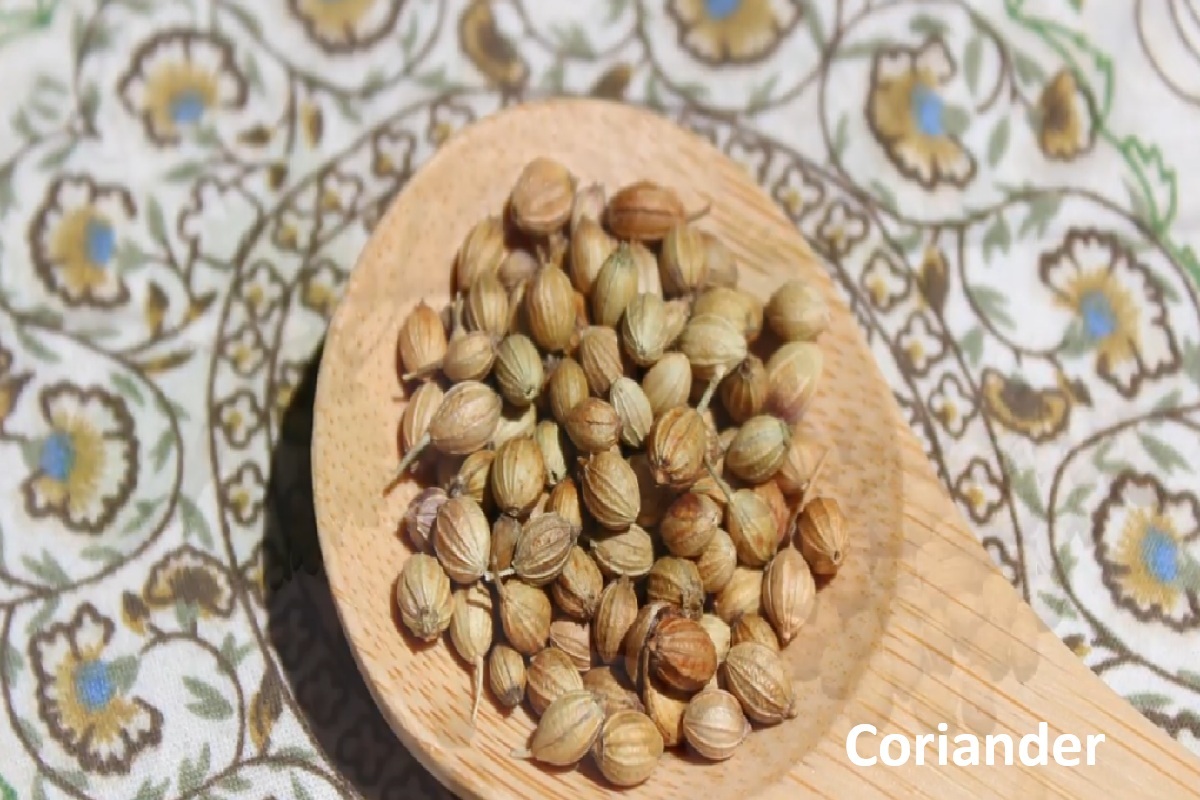
Coriander: Seeds vs Cilantro, Antioxidants, and How to Use Them
Toast whole coriander seeds in a dry pan for 30 seconds, then grind them right before using. The flavor changes compl...