Coriander: Seeds vs Cilantro, Antioxidants, and How to Use Them
Toast whole coriander seeds in a dry pan for 30 seconds, then grind them right before using. The flavor changes completely compared to pre-ground. Small studies have found coriander helps lower blood sugar and cholesterol modestly. A teaspoon goes in curries, marinades, and roasted vegetables.
What coriander is
Coriander is a complicated word because it refers to two different things from the same plant. The seeds (what you’ll find labeled as “coriander” in most spice aisles) and the leaves (called “cilantro” in the US and “coriander” or “fresh coriander” in the UK) taste completely different.
The seeds are warm, citrusy, and nutty. The leaves are bright, herbal, and grassy. Some people have a genetic variant that makes cilantro leaves taste like soap. The seeds don’t trigger this for those people.
This page covers the seeds. They’re what’s used as a spice across Indian, Mexican, Middle Eastern, and North African cooking.
What the research shows
Coriander seed research has focused on metabolic effects and digestion.
Blood sugar
A 2009 study published in the British Journal of Nutrition gave diabetic mice coriander seed extract and found their blood glucose dropped meaningfully alongside improvements in pancreatic function. Several smaller human trials have shown similar effects.
A 2017 trial in 55 people with type 2 diabetes found coriander seed powder (5 grams per day for 8 weeks) lowered fasting glucose and improved HbA1c modestly.
Cholesterol
A 2008 trial gave 30 people coriander seed powder daily for 60 days and found total cholesterol and LDL dropped, with HDL going up slightly. The trial was small but the changes were meaningful.
Digestion
Coriander seed traditionally settles upset stomachs and reduces bloating. The research is thinner than for cumin’s digestive effects but consistent with the traditional use. The mechanism appears similar: stimulation of digestive enzymes.
Antimicrobial effects
Coriander seed oil has shown antimicrobial activity in lab tests, including against E. coli and salmonella. This is consistent with the traditional use of coriander seed in food preservation.
Anxiety
A few smaller trials have looked at coriander for anxiety. The results are interesting but the studies are too small to draw firm conclusions.
How to use it
Whole coriander seeds vs. pre-ground: the seeds keep their flavor much longer, and toasting them before grinding makes a real difference.
To toast: heat a dry skillet over medium, add the seeds, shake or stir for 30-60 seconds until fragrant and slightly darkened. Tip out of the pan and grind when cool.
Some uses for ground or whole coriander:
- A teaspoon in curry pastes alongside cumin and turmeric
- Crushed whole seeds in marinades for chicken or fish
- Ground in spice rubs for lamb, especially with cumin, paprika, and salt
- A teaspoon in carrot or beet soup with a swirl of yogurt
- Whole seeds added to pickling brines for cucumber, cauliflower, or carrots
- In bean and lentil dishes with cumin and a squeeze of lemon
- A pinch in white rice as it cooks
- Crushed and stirred into honey for tea or yogurt
Cumin and coriander are best friends in cooking. The combination is the base of countless dishes across South Asia, the Middle East, and North Africa.
How much per day
A teaspoon of ground coriander per dish is plenty for flavor. For the metabolic effects in studies, doses were 3-5 grams per day, which is about a tablespoon of ground coriander. That’s easy to hit if you use it in one main dish.
Who should be careful
Coriander seed is safe for nearly everyone. A few notes:
- Coriander may lower blood sugar; people on diabetes medication should mention regular use to their doctor.
- Some people are allergic to plants in the parsley family. If parsley, celery, fennel, or carrots cause reactions, be cautious.
- Pregnant women can use coriander in normal food amounts; very high doses of concentrated extracts haven’t been well studied in pregnancy.
Buying and storing
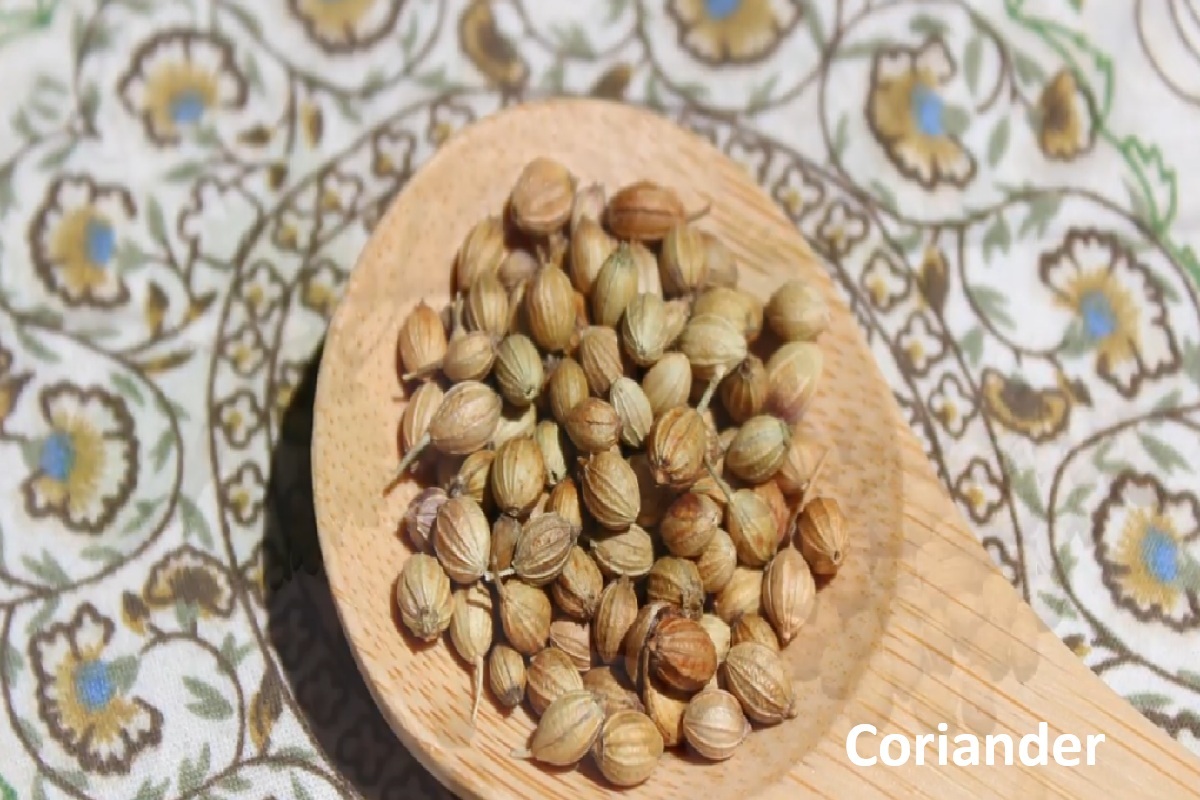
Buy whole coriander seeds. They’re small, round, beige-brown, and look like tiny ribbed beads. Sniff them: they should smell warm and lemony. Old seeds smell faded.
Whole seeds keep for around 3 years in a sealed container. Pre-ground coriander keeps around 6 months. Even at the same age, whole seeds have noticeably more flavor than pre-ground, so unless you go through coriander very fast, the whole seeds are the better buy.
Related spices
Spices that work well alongside this one, or share similar benefits.
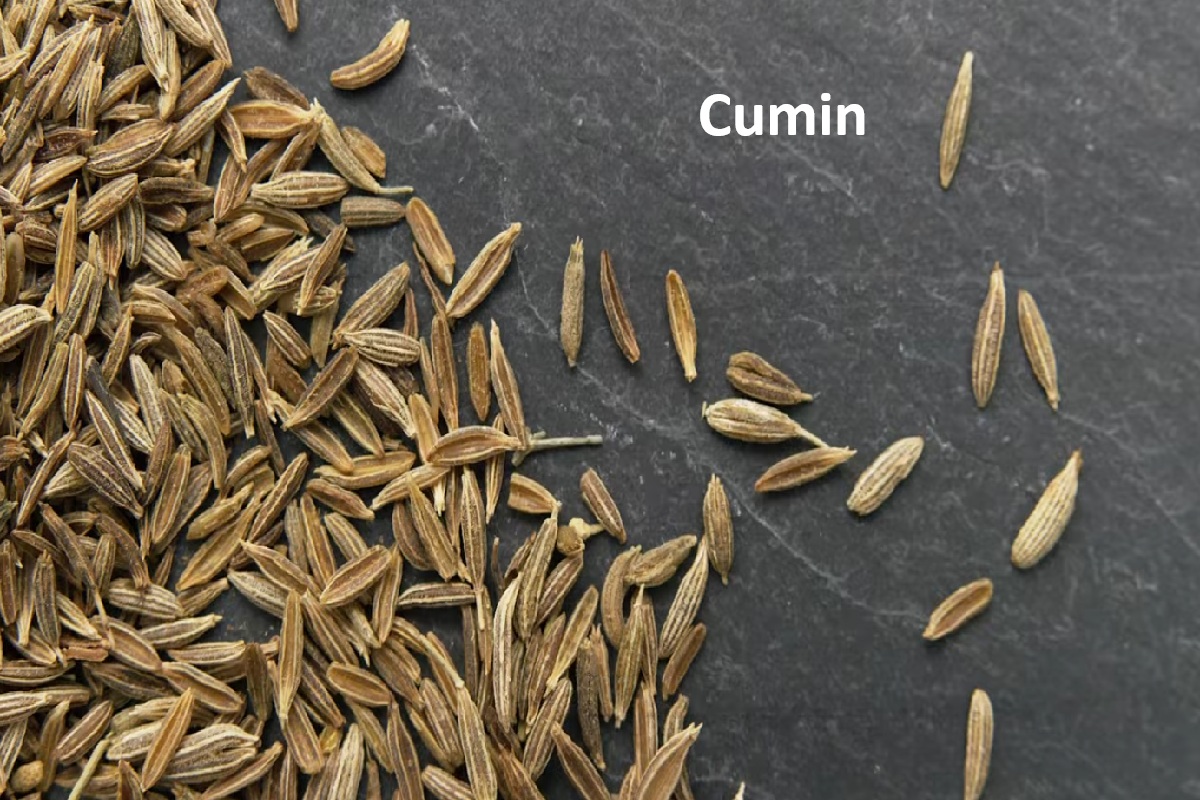
Cumin: Digestion, Iron, and How to Toast Seeds
Toast whole cumin seeds in a dry pan for 30 seconds before adding to dishes; this releases the oils and the flavor ju...
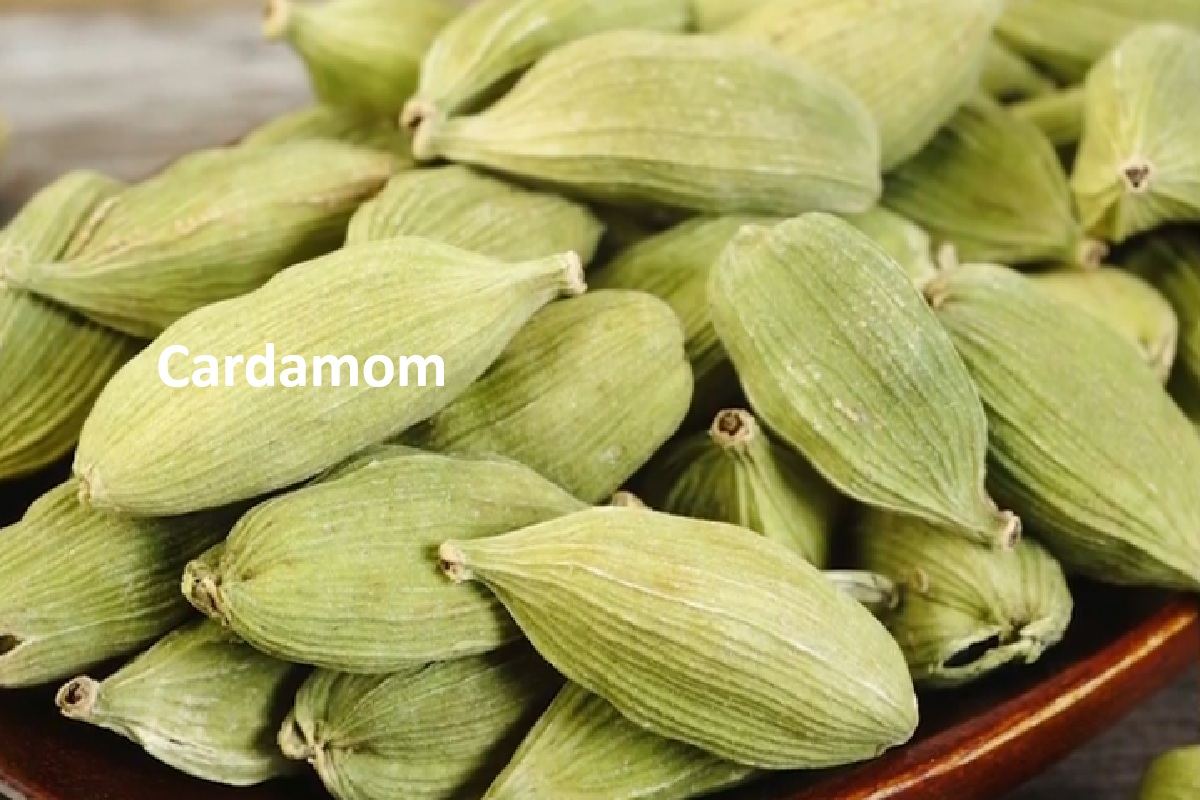
Cardamom: Heart Health, Digestion, and How to Use It
Crush green cardamom pods lightly with the side of a knife and add to chai, coffee grounds before brewing, or to rice...
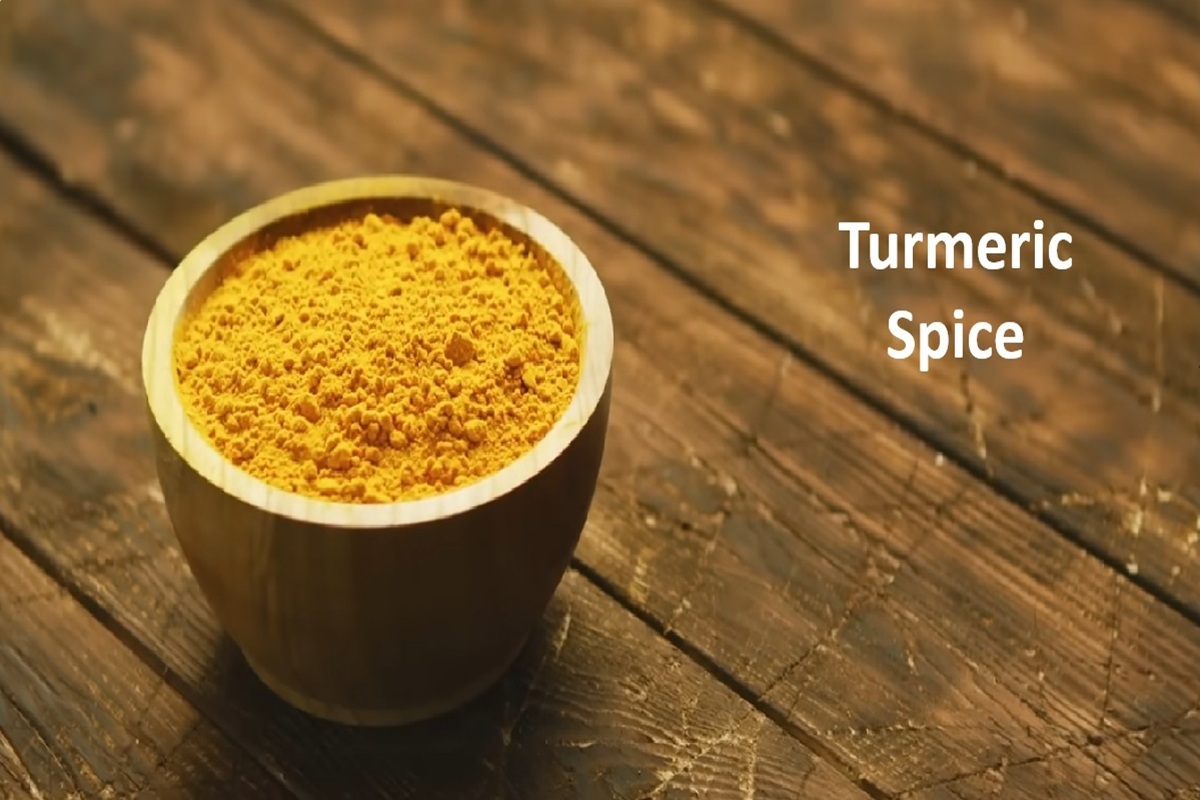
Turmeric: Benefits, Uses, and What the Research Says
Take half a teaspoon of turmeric a day with a crack of black pepper and a bit of fat like olive oil or coconut milk. ...