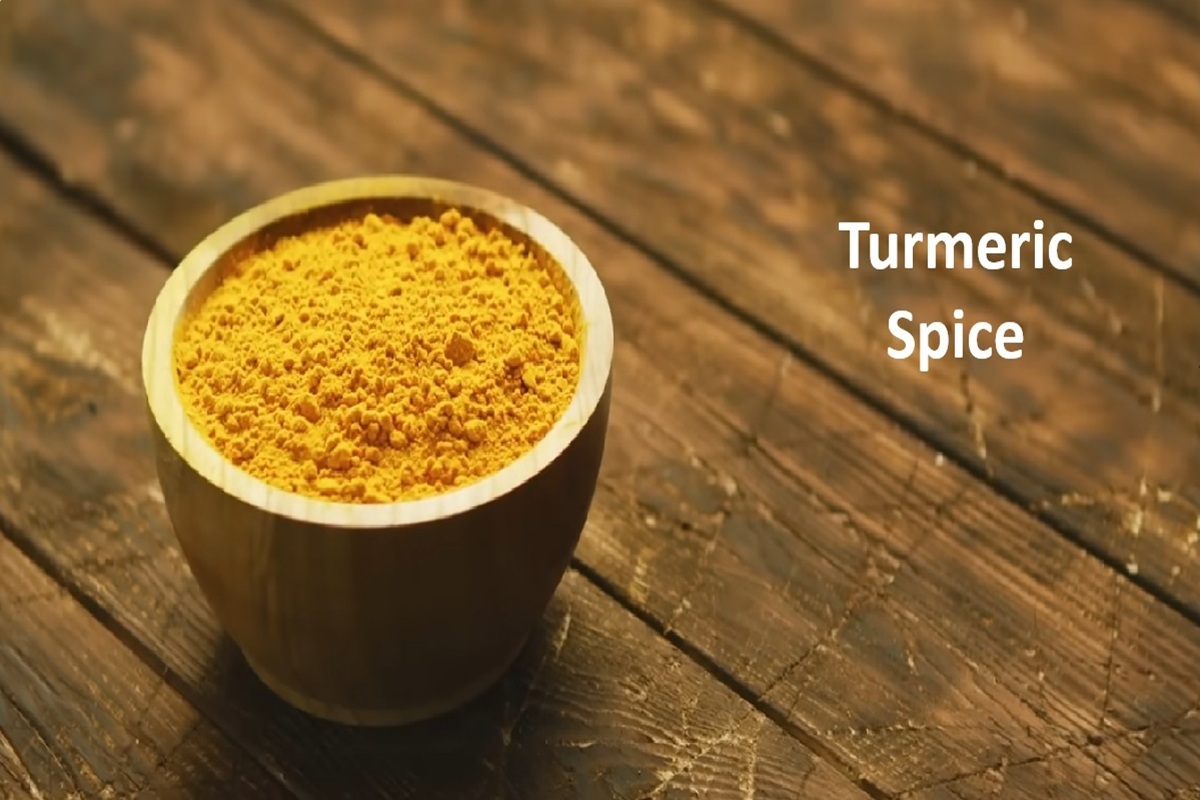
Turmeric: Benefits, Uses, and What the Research Says
Take half a teaspoon of turmeric a day with a crack of black pepper and a bit of fat like olive oil or coconut milk. The pepper boosts absorption of curcumin, the active compound, by a wide margin. Skip high-dose supplements if you take blood thinners or gallstones run in your family.
What turmeric is
Turmeric is the dried, ground root of a plant in the ginger family. It is what gives Indian curry its yellow color, and it has been used in South Asian cooking and Ayurvedic medicine for thousands of years. The active compound, curcumin, is what most of the research focuses on.
What the research shows
Most of the strong evidence around turmeric points at one thing: inflammation. Curcumin appears to lower markers of inflammation in the body, which matters because chronic low-grade inflammation is linked to a long list of health problems.
Joint pain and arthritis
Several clinical trials have looked at curcumin for osteoarthritis. A 2016 review of 8 randomized trials found that curcumin produced similar pain relief to ibuprofen in people with knee osteoarthritis, with fewer reported side effects. The doses used in studies are usually higher than what you would get from sprinkling turmeric on food (often 500 to 1,500 mg of curcumin extract per day), so for joint pain specifically, food alone may not be enough.
Inflammation markers
Multiple studies have found that curcumin lowers C-reactive protein and other markers of inflammation in the blood. This matters most for people with elevated baseline inflammation, like those with metabolic syndrome or rheumatoid arthritis.
Brain health
Early research suggests curcumin may have a small positive effect on memory and mood. One often-cited study from UCLA in 2018 found small improvements in memory tests for adults with mild memory complaints after taking curcumin supplements for 18 months. Promising, but the trial was small.
The black pepper trick
Curcumin on its own is poorly absorbed. Your body just does not pick it up well from the gut. But piperine, the active compound in black pepper, makes curcumin much more bioavailable. One well-known study found that adding piperine increased curcumin absorption by around 2,000 percent.
The practical takeaway: when you cook with turmeric, add a pinch of black pepper too. And eat it with some fat. Curcumin is fat-soluble, so a little olive oil, butter, or coconut milk in the dish helps even more.
How to use it
Turmeric is mild on its own and pairs well with savory dishes. Some easy ways to add it to your week:
- Half a teaspoon stirred into scrambled eggs along with black pepper
- A teaspoon added to chicken soup or vegetable broth
- Mixed with olive oil, lemon, salt, and pepper as a dressing for roasted vegetables
- Stirred into rice as it cooks, with a pinch of salt and pepper
- Whisked into warm milk with cinnamon and a touch of honey (sometimes called golden milk)
Fresh turmeric root, if you can find it, is grated like ginger and has a brighter, more lemony flavor. It also stains everything yellow. Wear gloves if you peel it.
How much per day
Most studies use turmeric supplement doses of 500 to 1,500 mg of curcumin extract per day. That is much more than you would get from cooking. For general use as part of a healthy diet, half a teaspoon to a teaspoon of ground turmeric per day is a sensible amount. If you are taking it for a specific condition, talk to a doctor about supplement form and dosing.
Who should be careful
Turmeric is safe for most people in food amounts. A few cases call for caution:
- If you take blood thinners (warfarin, aspirin, clopidogrel), turmeric in supplement amounts may increase bleeding risk
- If you have gallstones or a bile duct obstruction, turmeric can make symptoms worse
- High doses may cause stomach upset or nausea in some people
- Pregnancy is generally fine for food amounts, but supplement-level doses are not recommended
Buying and storing
Ground turmeric loses potency fast. If your turmeric is older than a year and dull yellow rather than vibrant orange-yellow, replace it. Whole turmeric root keeps in the fridge for about two weeks, or you can freeze it.
Related spices
Spices that work well alongside this one, or share similar benefits.
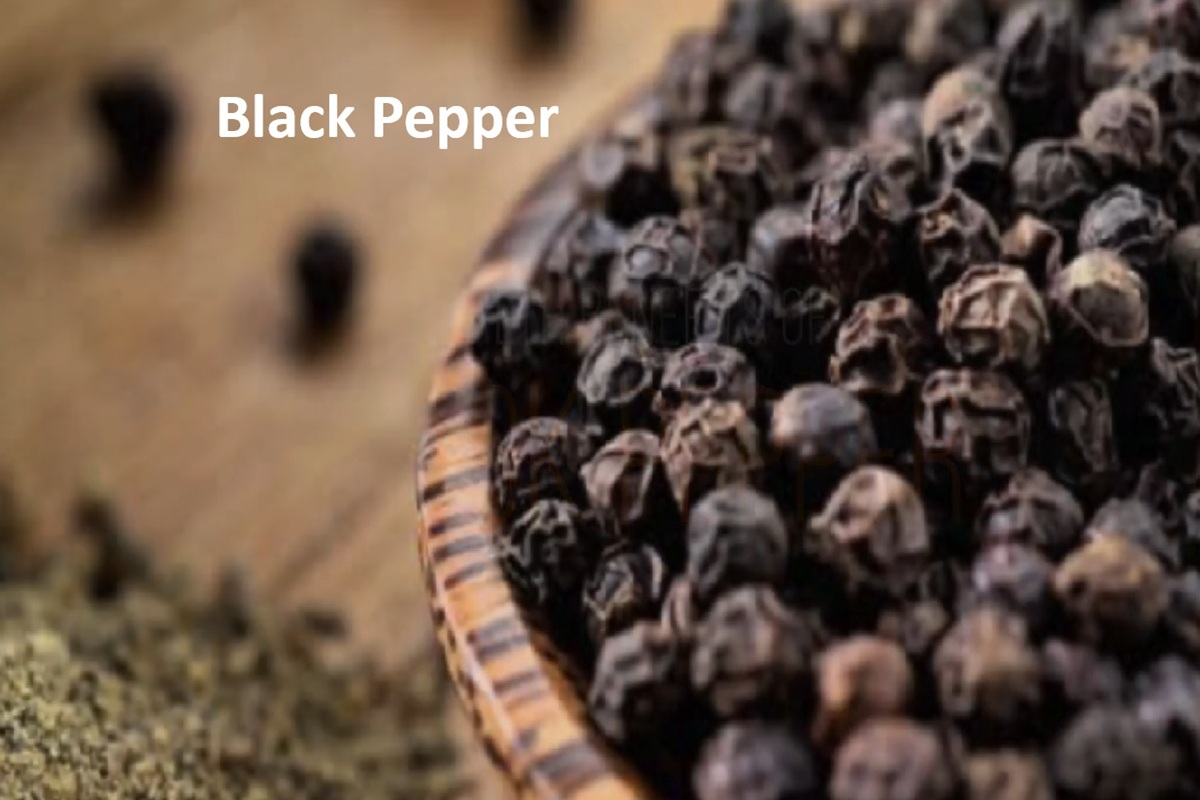
Black Pepper: Piperine, Absorption, and Why It Pairs with Turmeric
Always grind black pepper fresh and add a crack of it to any dish with turmeric. The piperine in pepper boosts curcum...
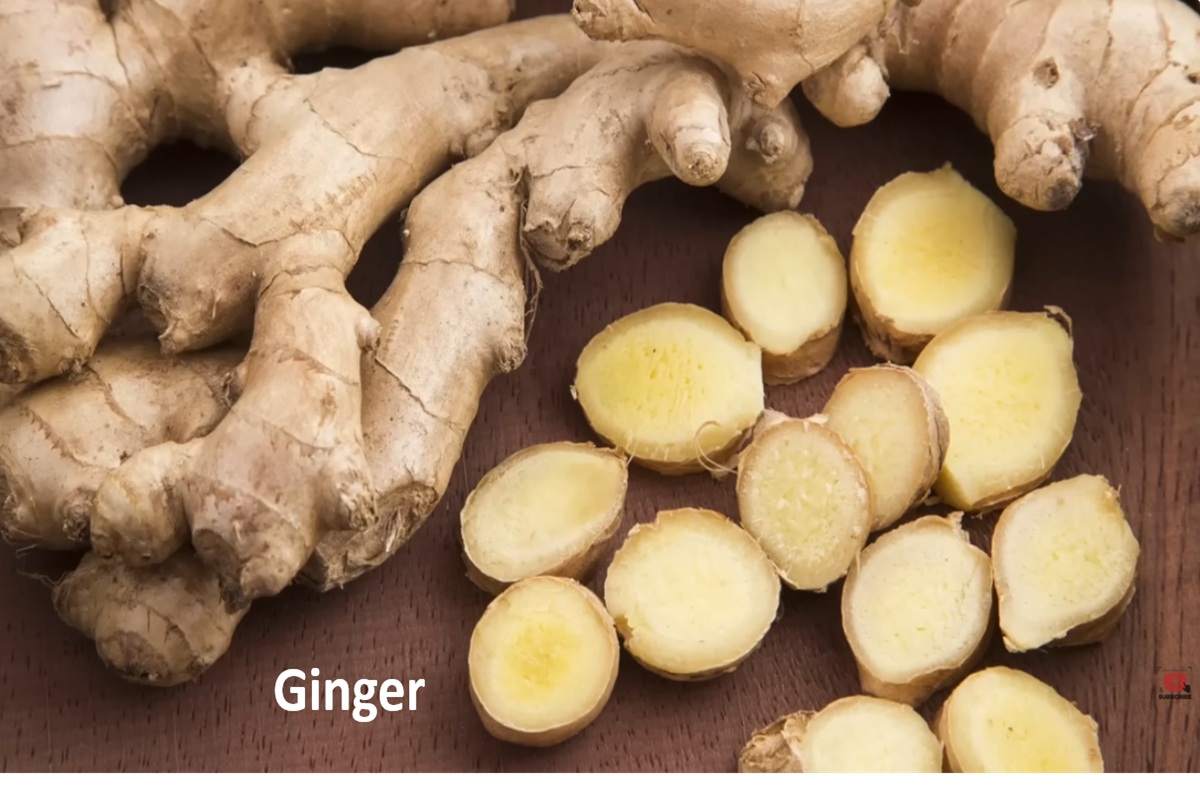
Ginger: Benefits for Nausea, Inflammation, and Cooking
For nausea, chew on a one-inch piece of fresh ginger, or drink ginger tea with a slice steeped in hot water. About on...
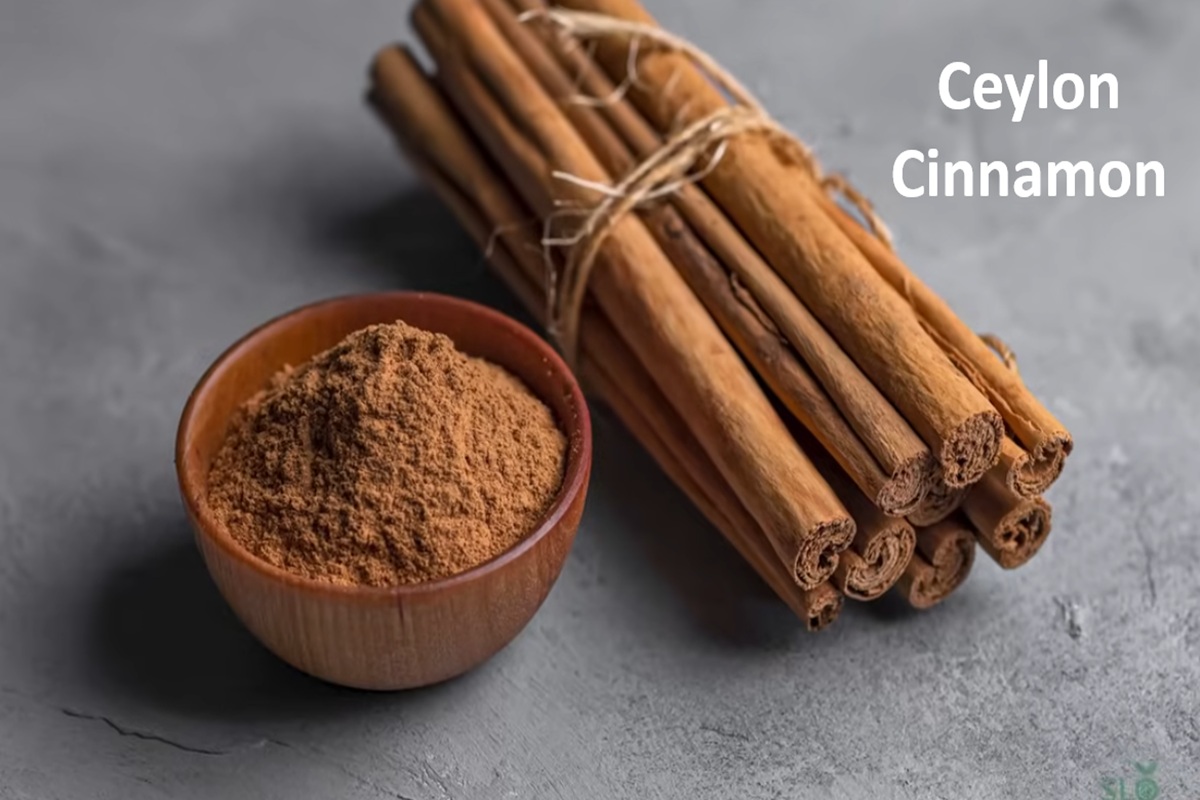
Cinnamon: Benefits, Types, and How Much to Use
Use half a teaspoon of cinnamon a day, sprinkled on oats, yogurt, or stirred into coffee. Pick Ceylon (true cinnamon)...