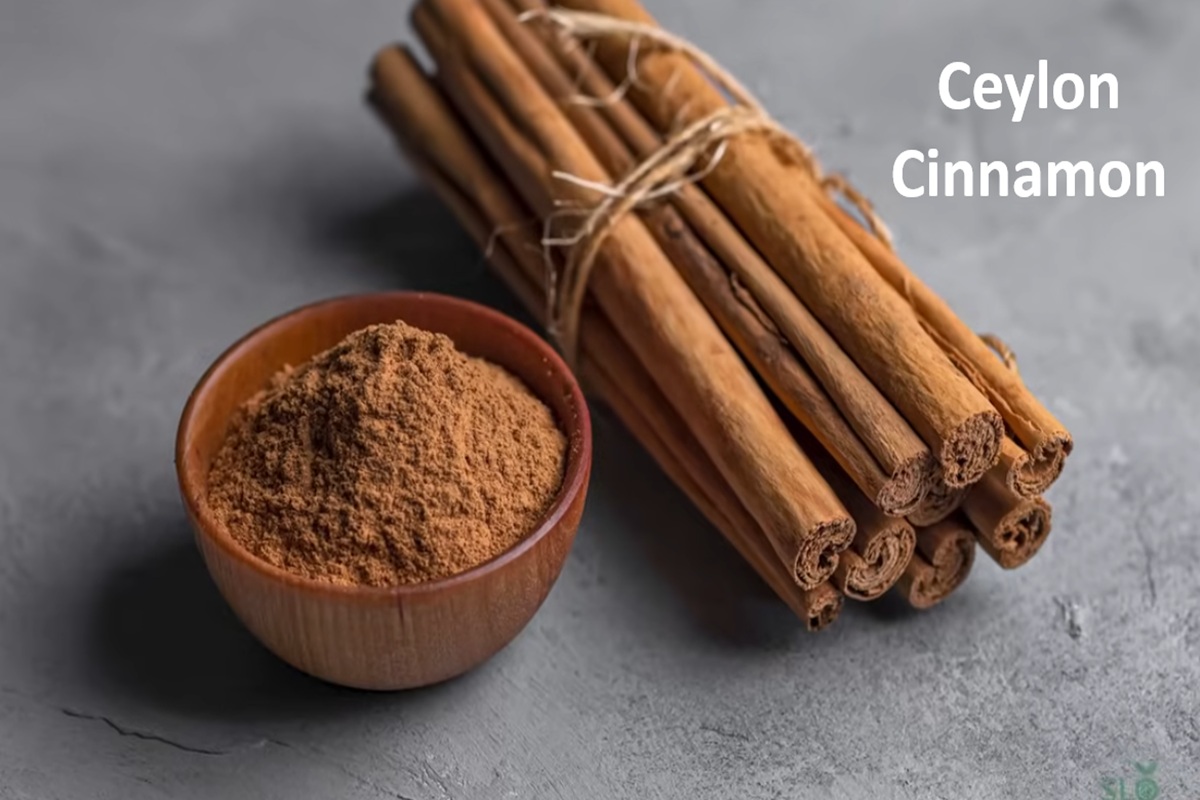
Cinnamon: Benefits, Types, and How Much to Use
Use half a teaspoon of cinnamon a day, sprinkled on oats, yogurt, or stirred into coffee. Pick Ceylon (true cinnamon) over cassia for daily use because cassia has more coumarin, which can affect the liver at high doses. Studies show it modestly improves blood sugar in people with type 2 diabetes.
What cinnamon is
Cinnamon comes from the inner bark of trees in the Cinnamomum family. There are two main types you will find at the store, and they are different enough that they are worth knowing apart.
Ceylon cinnamon comes from Sri Lanka. It is sometimes called “true cinnamon.” The sticks are softer, the color is lighter, and the flavor is more subtle and citrusy.
Cassia cinnamon comes mostly from China, Indonesia, and Vietnam. It is what most American supermarket cinnamon is. The sticks are harder, the color is darker red-brown, and the flavor is stronger and more pungent.
For occasional cooking, either works. For daily use, Ceylon is the safer pick because cassia is much higher in a compound called coumarin, which can be hard on the liver at high doses.
What the research shows
The strongest evidence for cinnamon is around blood sugar.
Blood sugar control
A 2013 meta-analysis covering 10 randomized trials found that cinnamon lowered fasting blood glucose by about 24 mg/dL on average in people with type 2 diabetes. It also lowered total cholesterol and triglycerides. The effect was modest but consistent across studies.
The doses used were usually 1 to 6 grams per day, which is about half a teaspoon to a heaping teaspoon of ground cinnamon. It seems to work by improving insulin sensitivity and slowing down how fast carbohydrates break down in the gut.
If you have type 2 diabetes or prediabetes, cinnamon is not a replacement for medication, but as part of a varied diet it has real evidence behind it.
Antioxidant activity
Cinnamon ranks among the highest of any spice for antioxidant content. In lab settings, it outperforms many fruits gram for gram. Whether this translates to meaningful health outcomes in daily eating is harder to say with certainty, but it does no harm.
Anti-inflammatory effects
Several smaller studies have found cinnamon lowers inflammation markers in the blood. The effect is similar to what we see with turmeric and ginger.
How to use it
Cinnamon goes well with both sweet and savory food. Some easy ways to get a regular dose:
- A heaping pinch in your coffee grounds before brewing
- Half a teaspoon in oatmeal, with a splash of milk and a little honey
- Sprinkled on Greek yogurt with chopped apple
- Stirred into chili or Moroccan-style stews
- Whisked into pancake or muffin batter
A cinnamon stick simmered in tea, mulled wine, or apple cider gives a milder, more aromatic flavor than ground cinnamon.
How much per day
Half a teaspoon to a teaspoon (about 1 to 4 grams) of ground cinnamon per day is a reasonable amount for daily use, especially if it is Ceylon. For cassia, do not exceed about 1 teaspoon per day if you are using it consistently, because of the coumarin content.
Who should be careful
A few groups should think about how much they use:
- People taking diabetes medication should let their doctor know if they start using cinnamon regularly, because the combined blood-sugar-lowering effect could be too much
- People with liver problems should stick to Ceylon and keep amounts modest, since cassia coumarin is metabolized by the liver
- Pregnancy is fine in food amounts, but supplement doses are not recommended
Buying and storing
Look for Ceylon cinnamon (sometimes labeled “true cinnamon” or “Cinnamomum verum”). The sticks should be soft enough to break by hand. Ground cinnamon loses flavor within about a year. Store in a cool, dark place away from the stove.
Related spices
Spices that work well alongside this one, or share similar benefits.
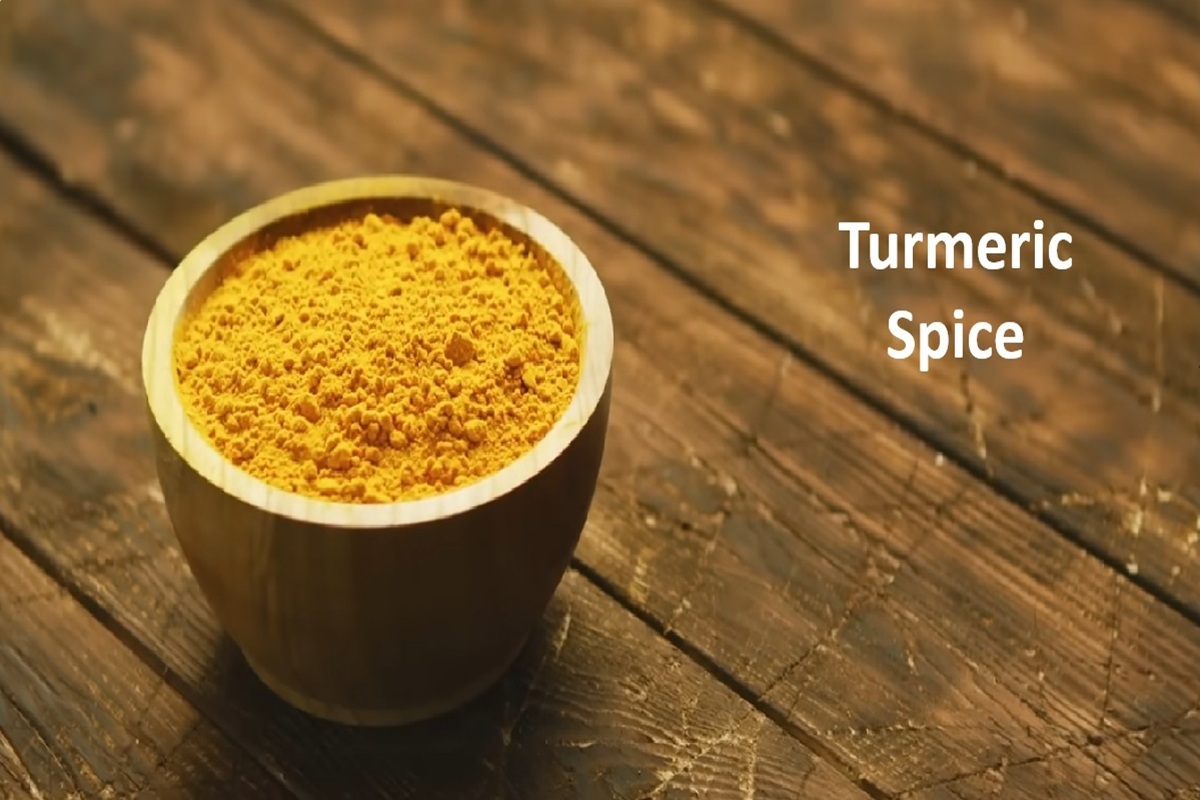
Turmeric: Benefits, Uses, and What the Research Says
Take half a teaspoon of turmeric a day with a crack of black pepper and a bit of fat like olive oil or coconut milk. ...
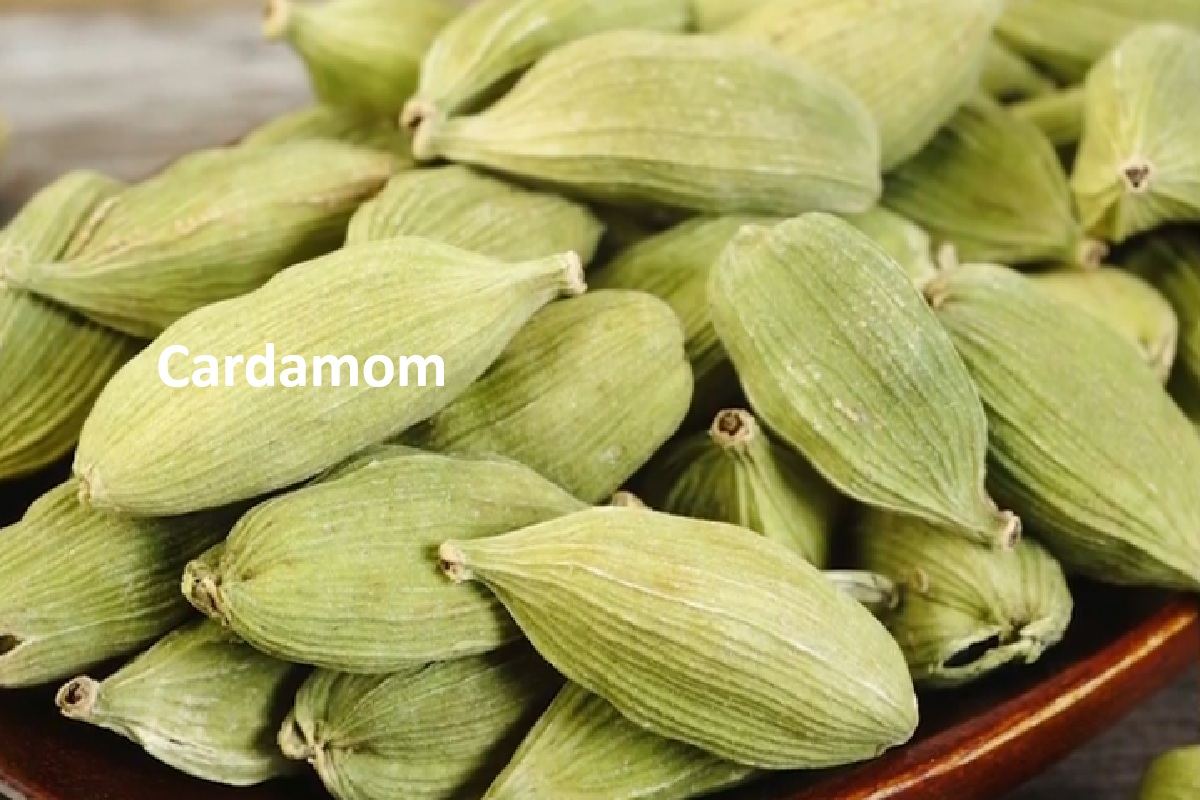
Cardamom: Heart Health, Digestion, and How to Use It
Crush green cardamom pods lightly with the side of a knife and add to chai, coffee grounds before brewing, or to rice...
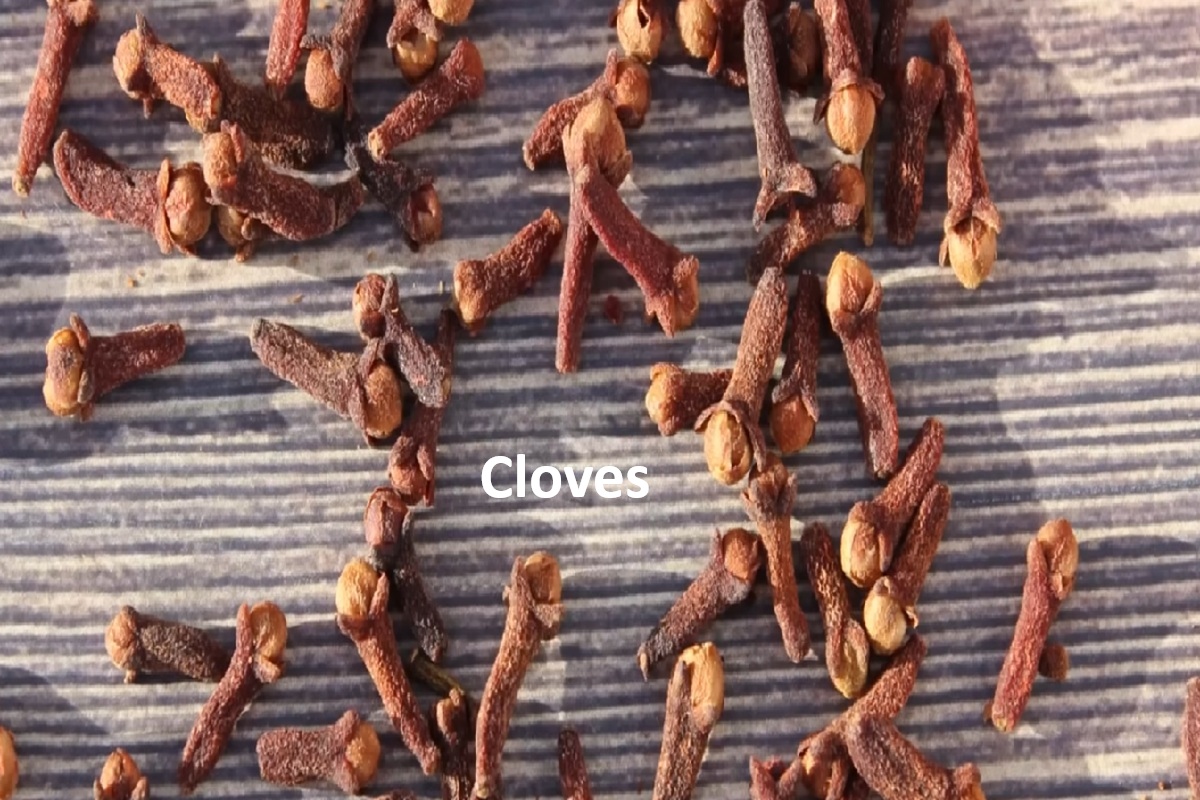
Cloves: The Highest-Antioxidant Spice and How to Use It
Use whole cloves in slow-cooked dishes like braises, mulled wine, and rice. Ground cloves go in baking and chai. A qu...