Cloves: The Highest-Antioxidant Spice and How to Use It
Use whole cloves in slow-cooked dishes like braises, mulled wine, and rice. Ground cloves go in baking and chai. A quarter teaspoon a day is plenty since cloves are intense. The active compound eugenol gives temporary toothache relief when applied to a sore gum, which is the dental tradition behind the spice.
What cloves are
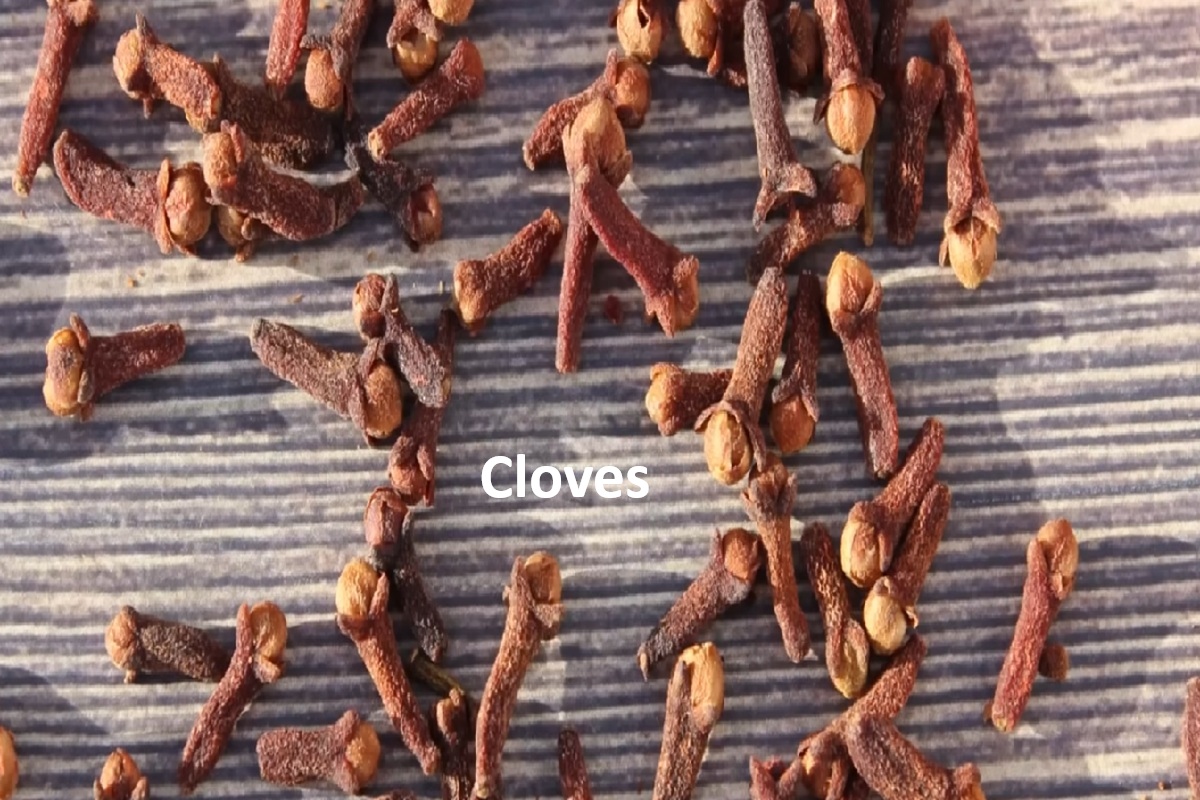
Cloves are the dried, unopened flower buds of an evergreen tree. They’re shaped like small nails (the name comes from the Latin clavus, meaning nail) and they’re one of the most aromatic spices in the world. A single clove can flavor a whole dish.
The active compound, eugenol, makes up about 80 percent of clove’s essential oil. It’s the same compound responsible for clove’s distinctive smell and most of its researched effects.
What the research shows
Cloves’ research story is mostly about their antioxidant content and the effects of eugenol.
Highest antioxidant content of any spice
Multiple measurements have found cloves at the top of the antioxidant rankings for spices. The ORAC (oxygen radical absorbance capacity) score for cloves is several times higher than blueberries gram-for-gram. Whether this translates to dramatic health benefits in daily eating is harder to prove, but it does mean cloves contribute meaningfully to total antioxidant intake.
Dental and oral health
This is the oldest researched use. Eugenol has been used in dentistry for over a century, often in fillings, root canal sealers, and temporary cements. It has both antibacterial and mild local anesthetic properties.
For at-home use, holding a whole clove against a sore tooth, or applying a tiny dab of clove oil to the gum, can give temporary relief from toothache. This is well-established but should not replace seeing a dentist for the underlying problem.
A 2014 review of trials found that mouthwashes containing clove oil reduced dental plaque and bacterial counts.
Blood sugar
Several smaller trials have found cloves improve markers of blood sugar control. A 2019 trial of 80 people with type 2 diabetes found that 250 mg of clove extract twice daily for 30 days lowered fasting blood glucose meaningfully. The doses used were in supplement form.
Antimicrobial activity
Eugenol kills several types of bacteria in lab settings, including some that cause foodborne illness. This is partly why cloves and other warm spices became standard in preserved foods historically.
How to use them
Cloves are intense. A little goes a long way. Some classic uses:
- Whole cloves stuck into a ham before baking, or onion before going into a stew
- A few whole cloves in mulled wine, cider, or chai tea
- Ground cloves in pumpkin pie, gingerbread, fruitcake, and other warm baking
- A pinch in slow-cooked beef stew, braised cabbage, or red sauce
- Whole in pickling spice for cucumbers and other vegetables
- A small amount in Moroccan-style tagines and Indian biryanis
For most cooking, start with 4 to 6 whole cloves for a dish serving 4 people, or 1/4 teaspoon of ground cloves. You can always add more, but you can’t easily take it out.
How much per day
Cloves are concentrated enough that you’ll naturally use small amounts. A quarter teaspoon of ground cloves per day is a sensible upper limit for daily use. For the blood sugar effects seen in studies, the doses were in supplement form (500 mg of extract daily), which is more concentrated than what you’d get from cooking.
Who should be careful
Cloves in normal food amounts are safe for almost everyone. A few notes about concentrated clove products:
- Clove oil is potent. A few drops on cotton applied to a tooth is the traditional use, but swallowing clove oil can cause liver damage. Keep it out of reach of children.
- People taking blood thinners should be aware that eugenol has mild blood-thinning effects. Food amounts are fine.
- Some people have skin sensitivity to clove oil. Test on a small patch before applying topically.
- Don’t apply clove oil to broken skin or large areas.
Buying and storing
Whole cloves keep their flavor much longer than ground. Buy whole when you can and grind small amounts as needed in a coffee mill or mortar and pestle. The cloves should look plump and slightly oily when you press them with a fingernail. If they look dried out and bone-dry, they’ve lost their flavor.
Whole cloves keep for several years in an airtight container away from heat and light. Ground cloves lose most of their potency within a year.
Related spices
Spices that work well alongside this one, or share similar benefits.
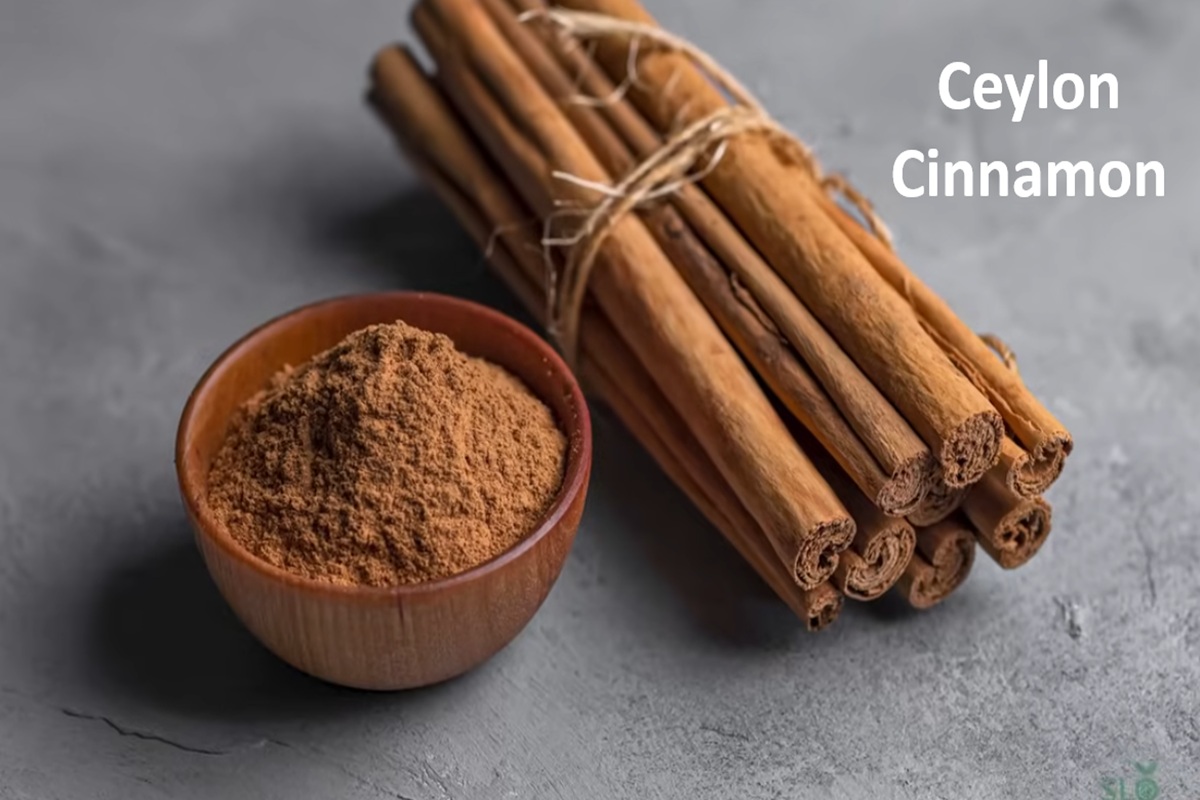
Cinnamon: Benefits, Types, and How Much to Use
Use half a teaspoon of cinnamon a day, sprinkled on oats, yogurt, or stirred into coffee. Pick Ceylon (true cinnamon)...
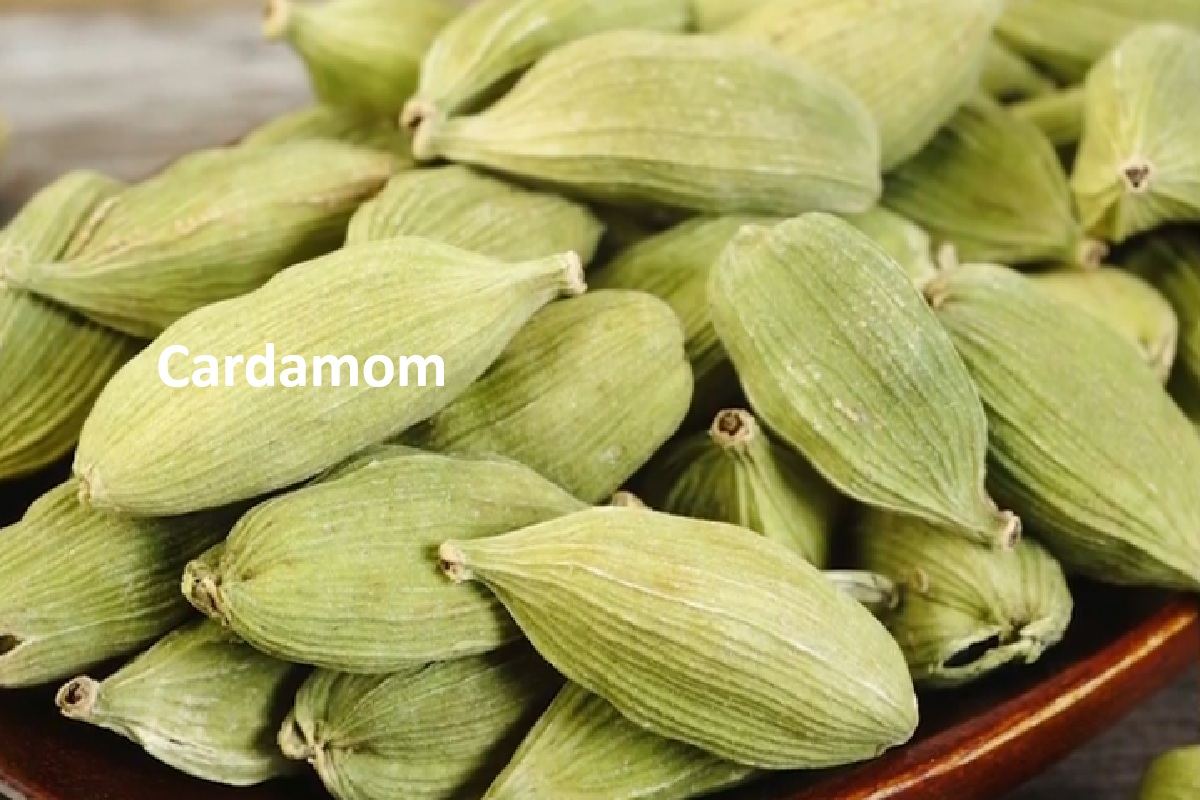
Cardamom: Heart Health, Digestion, and How to Use It
Crush green cardamom pods lightly with the side of a knife and add to chai, coffee grounds before brewing, or to rice...
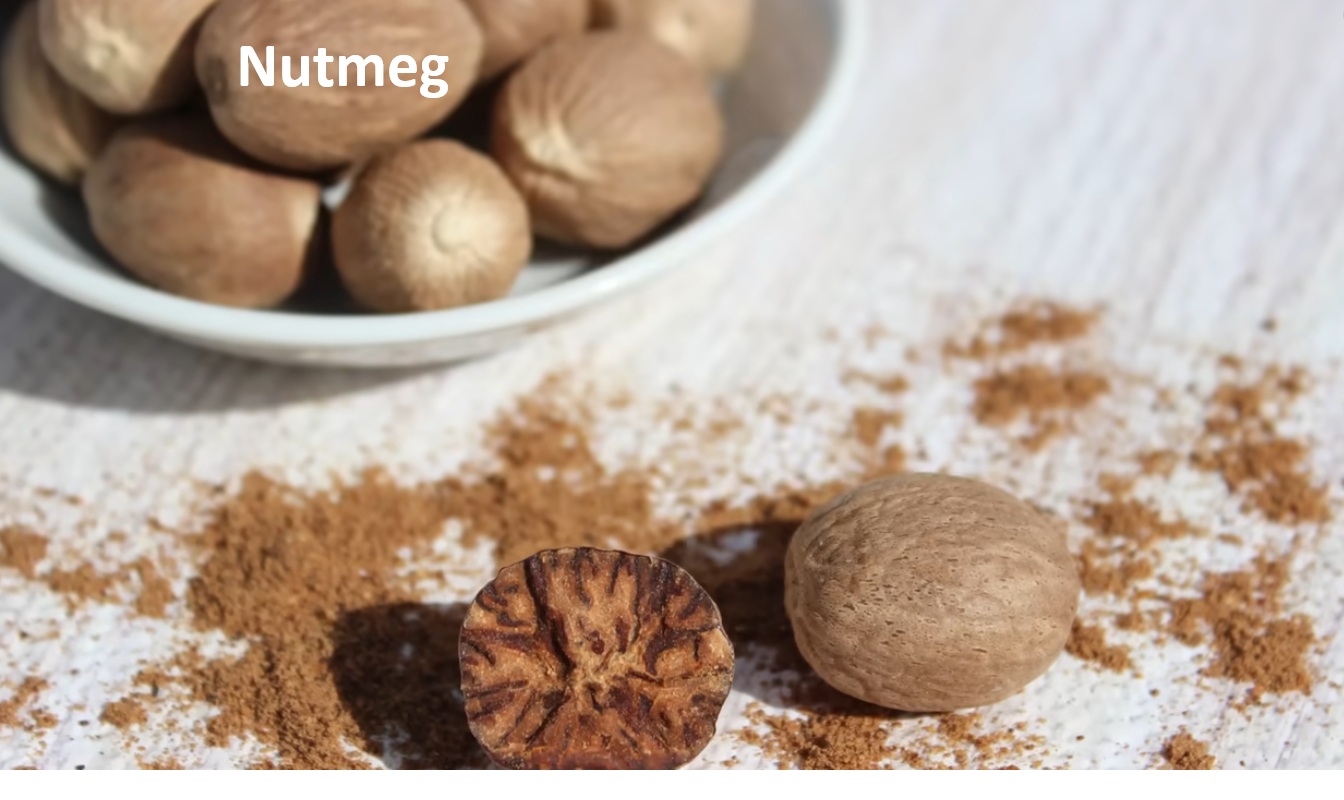
Nutmeg: Sleep, Digestion, and Why You Should Grate It Fresh
Grate whole nutmeg with a small rasp grater right when you need it. A pinch in warm milk before bed is the traditiona...