All 21 Spices
Grouped by how much research backs them up. The first group has the most clinical trials. The others are well-known traditional spices where the evidence is still building, but the early signs are good.
Most studied (Tier 1)
These eight spices have the strongest peer-reviewed research behind them. If you only add a few new spices to your kitchen, start with these.
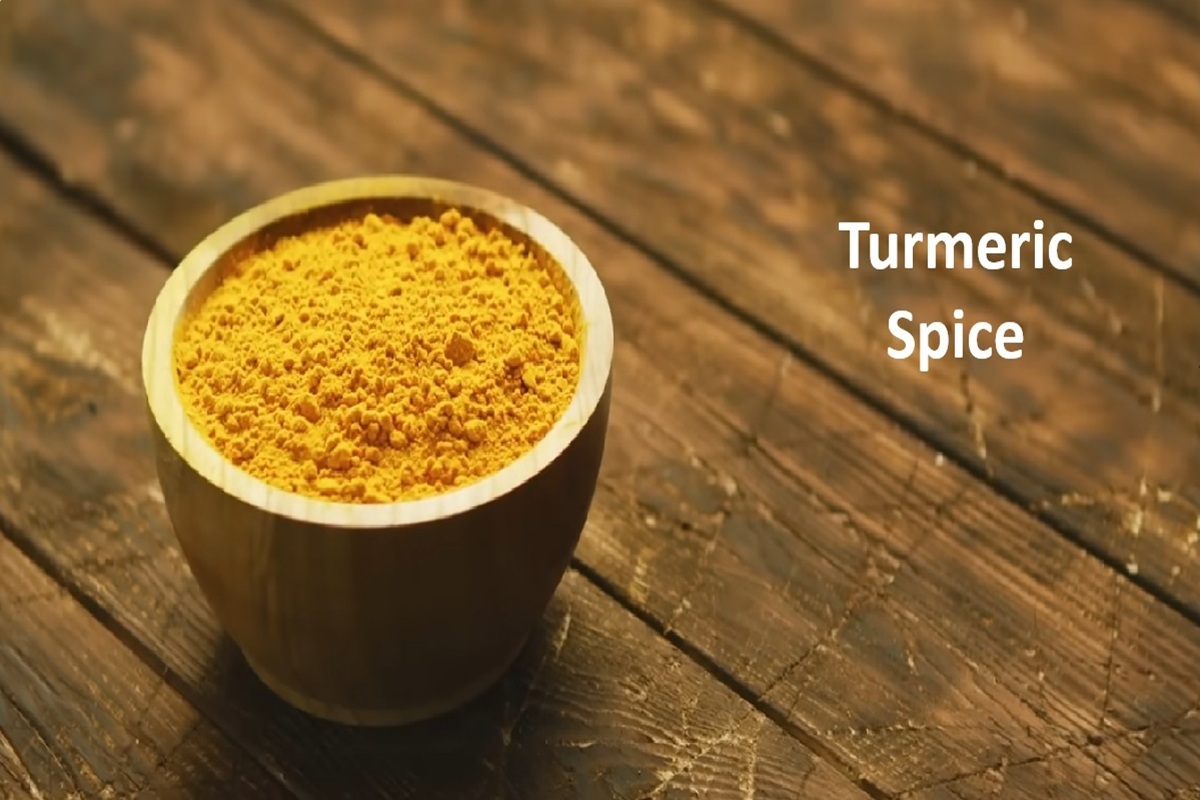
Turmeric: Benefits, Uses, and What the Research Says
Take half a teaspoon of turmeric a day with a crack of black pepper and a bit of fat like olive oil or coconut milk. ...
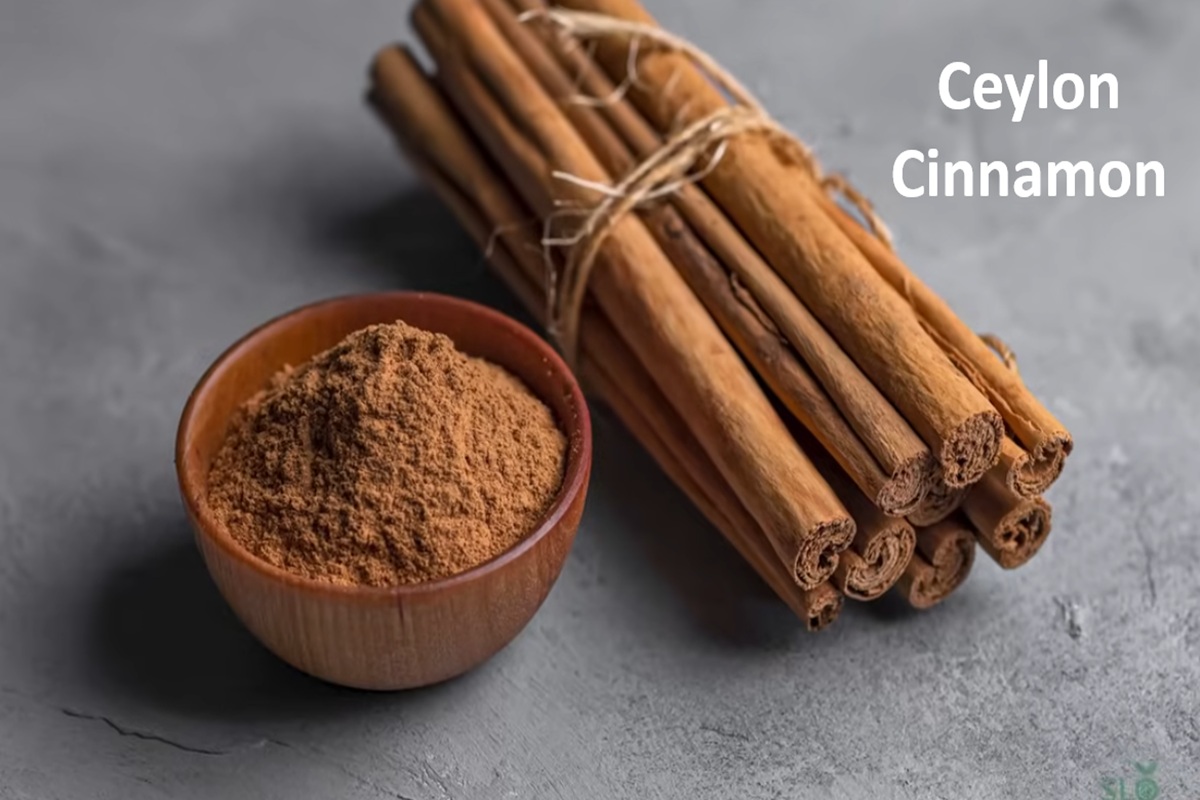
Cinnamon: Benefits, Types, and How Much to Use
Use half a teaspoon of cinnamon a day, sprinkled on oats, yogurt, or stirred into coffee. Pick Ceylon (true cinnamon)...
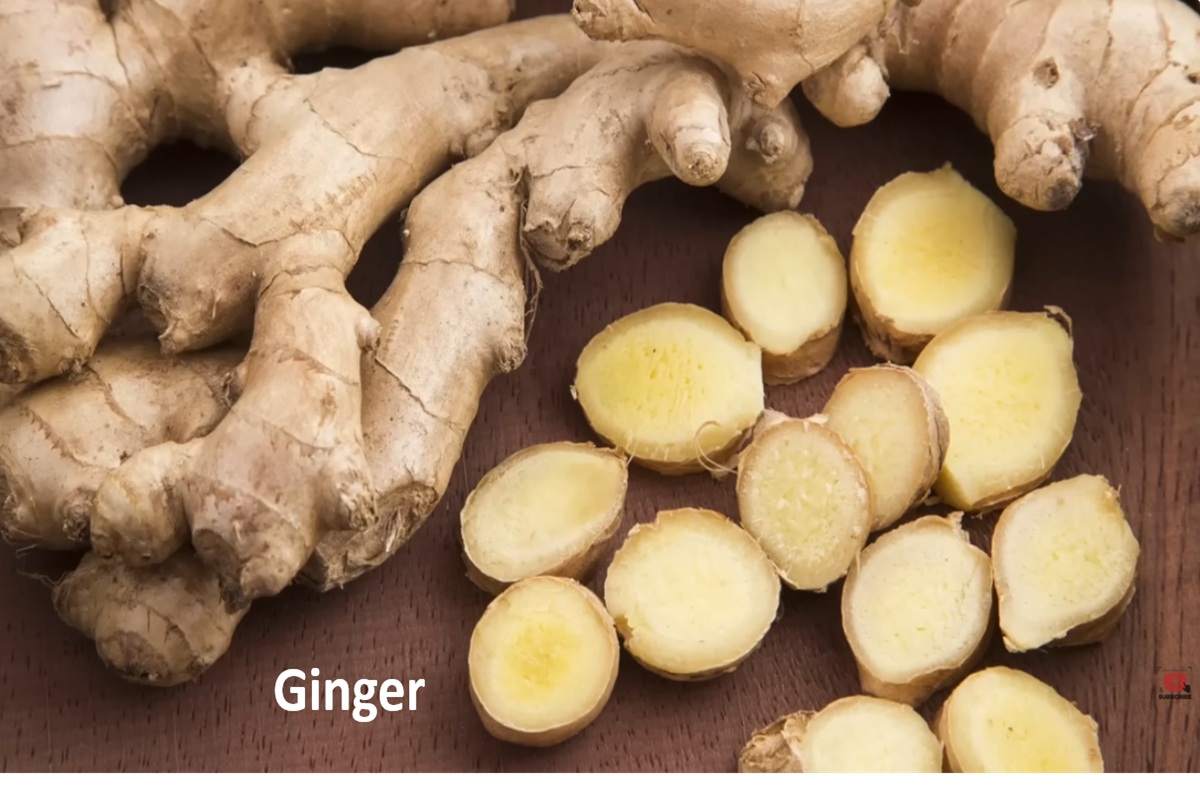
Ginger: Benefits for Nausea, Inflammation, and Cooking
For nausea, chew on a one-inch piece of fresh ginger, or drink ginger tea with a slice steeped in hot water. About on...
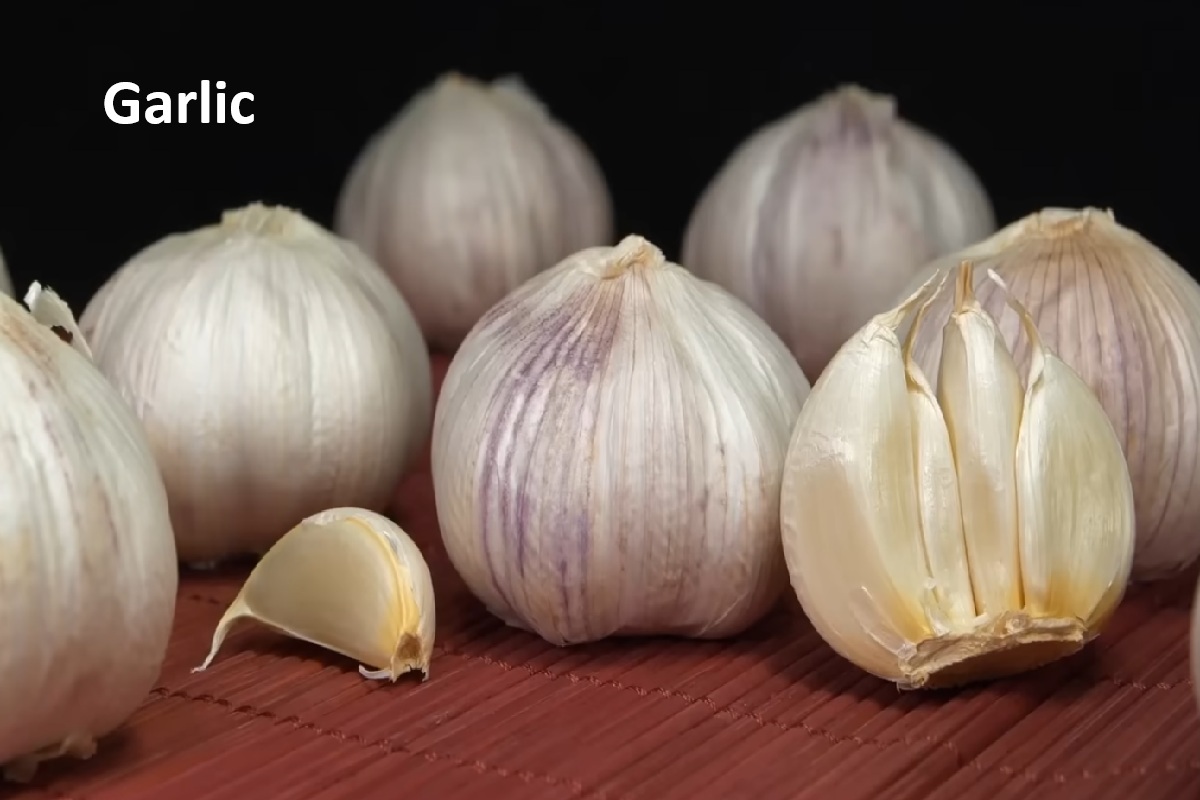
Garlic: Heart Health, Cholesterol, and How to Use It
Crush or finely chop one to two cloves of garlic, then let it sit for ten minutes before cooking. That wait lets alli...
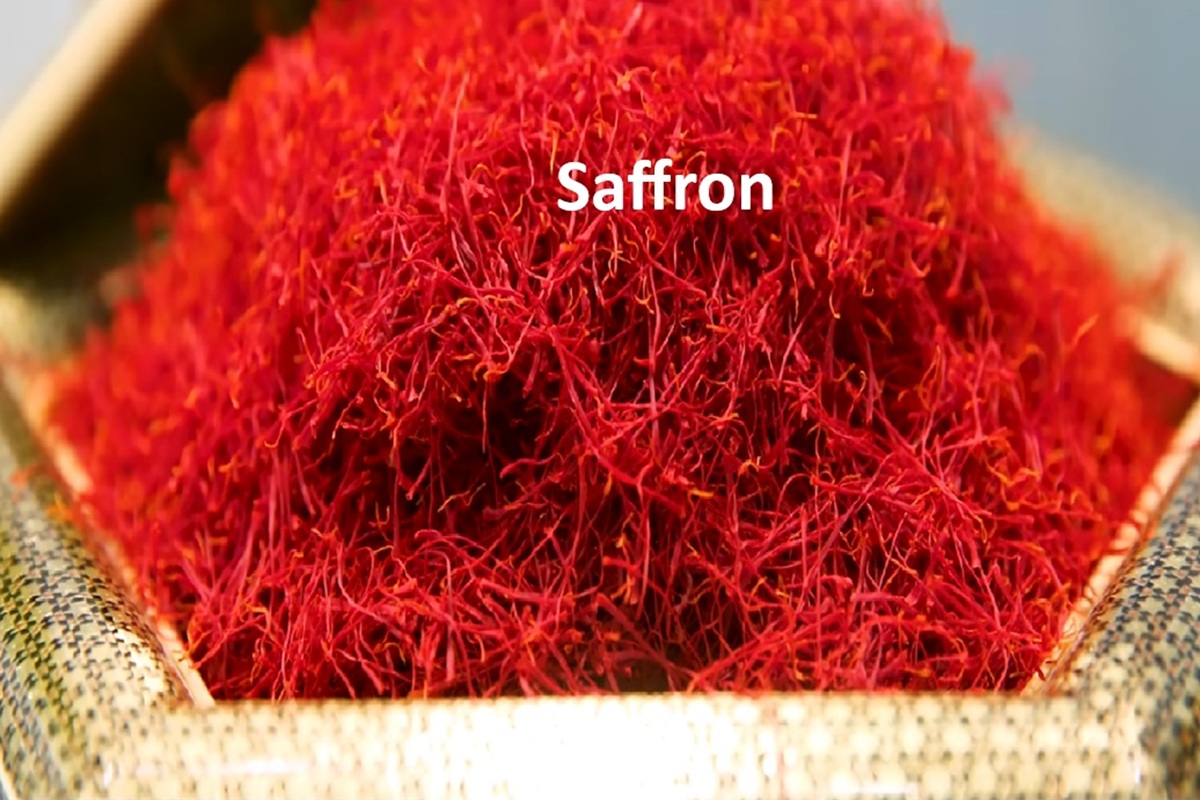
Saffron: Benefits for Mood, Vision, and How to Use It
Steep a small pinch of saffron threads (about 20 threads) in two tablespoons of warm water for 15 minutes before addi...
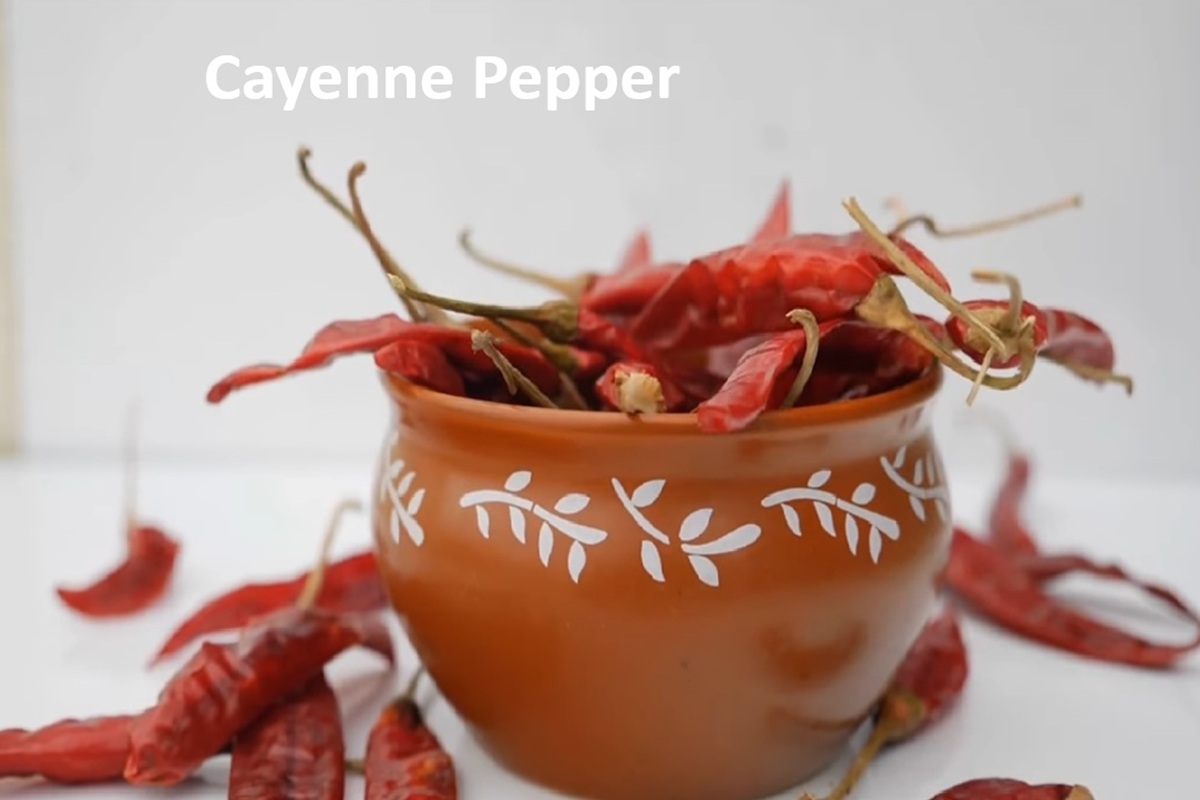
Cayenne Pepper: Capsaicin, Metabolism, and How to Use It
Start with a quarter teaspoon of cayenne in soups, chili, or eggs and work up from there. Capsaicin, the heat compoun...
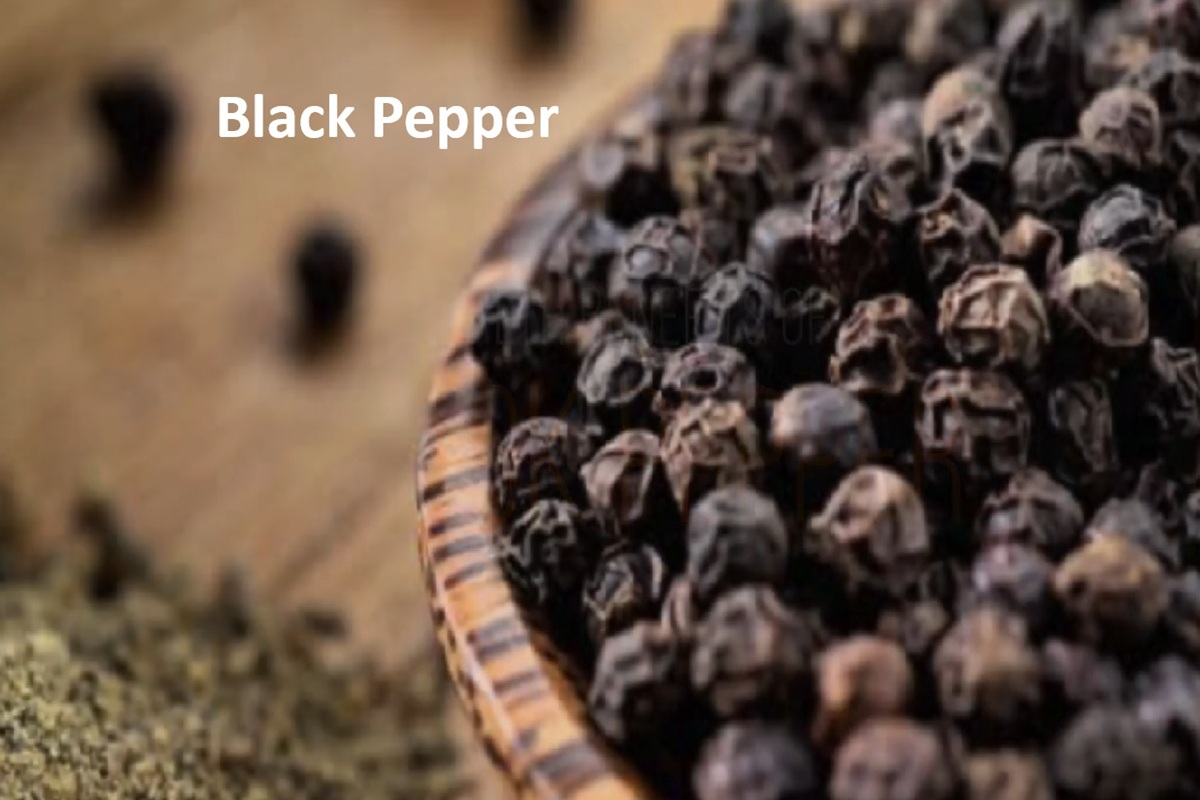
Black Pepper: Piperine, Absorption, and Why It Pairs with Turmeric
Always grind black pepper fresh and add a crack of it to any dish with turmeric. The piperine in pepper boosts curcum...
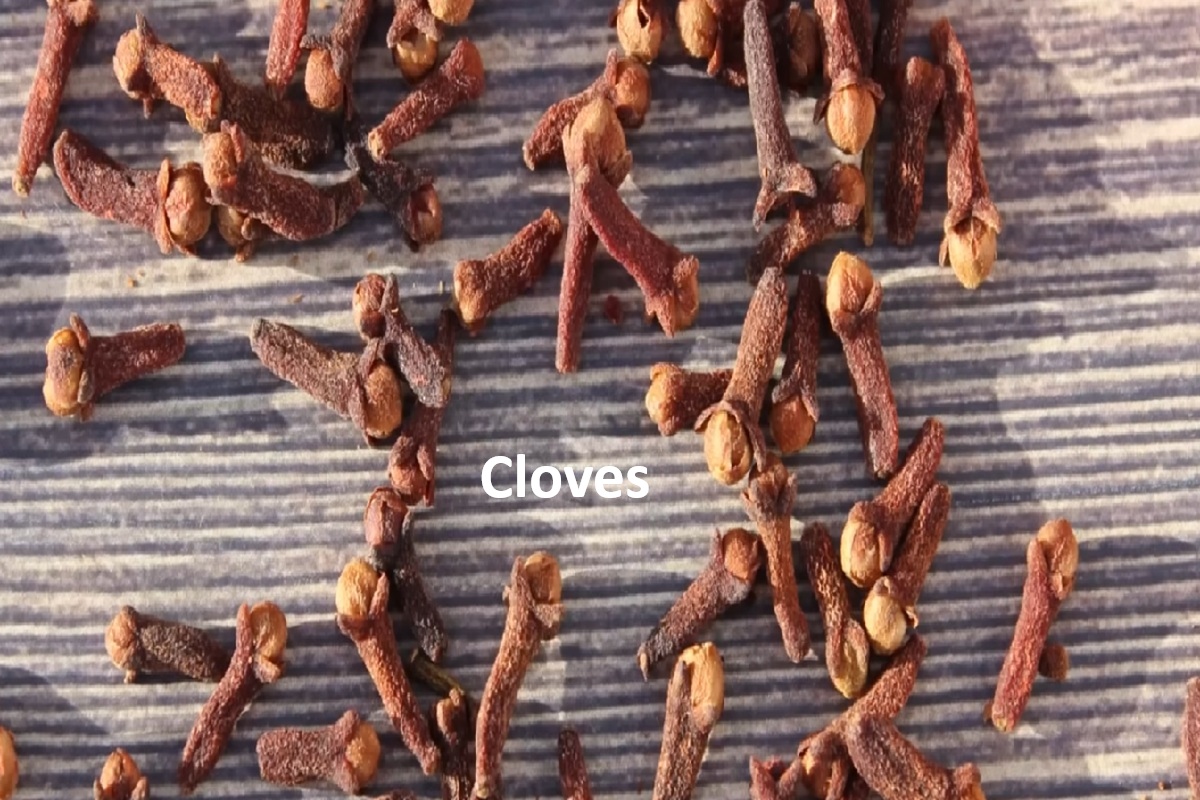
Cloves: The Highest-Antioxidant Spice and How to Use It
Use whole cloves in slow-cooked dishes like braises, mulled wine, and rice. Ground cloves go in baking and chai. A qu...
Strong evidence (Tier 2)
These have solid research too, just not quite as much as the Tier 1 group. All worth using regularly.
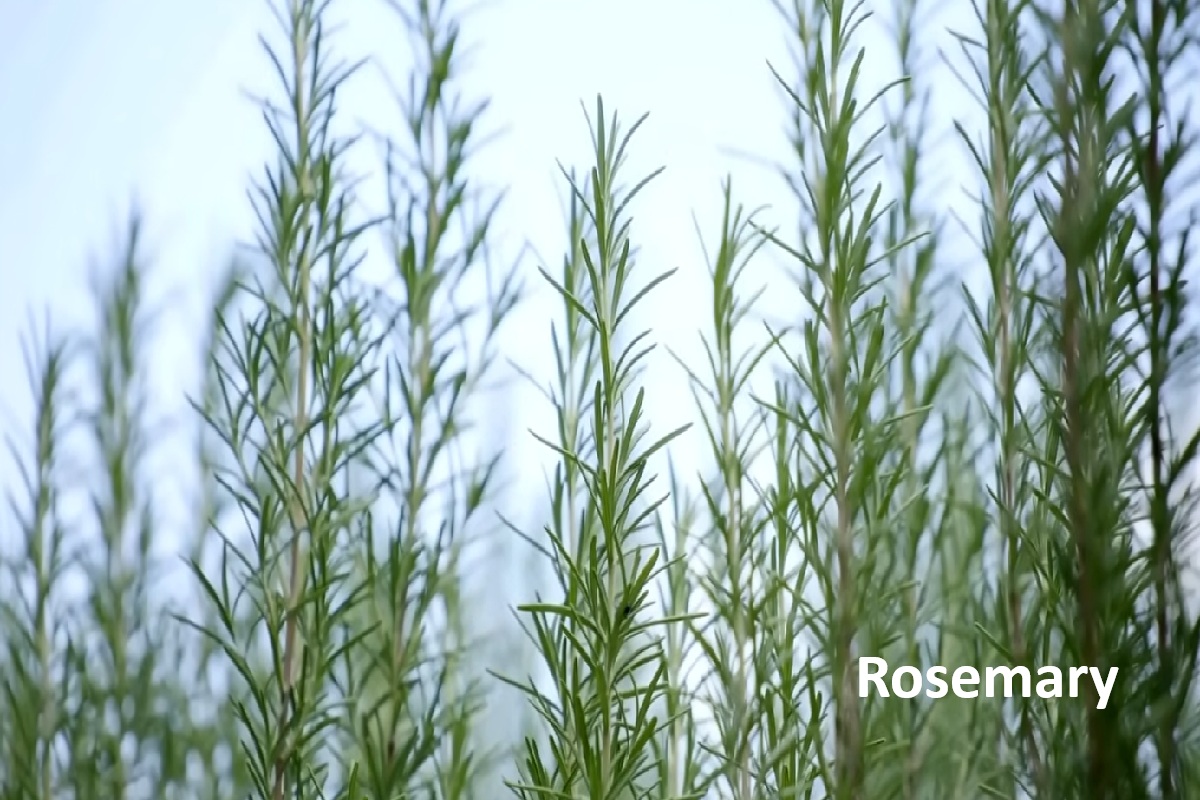
Rosemary: Memory, Antioxidants, and Cooking Uses
Throw a couple of fresh rosemary sprigs into roasted potatoes, chicken, or olive oil for dipping bread. The active co...
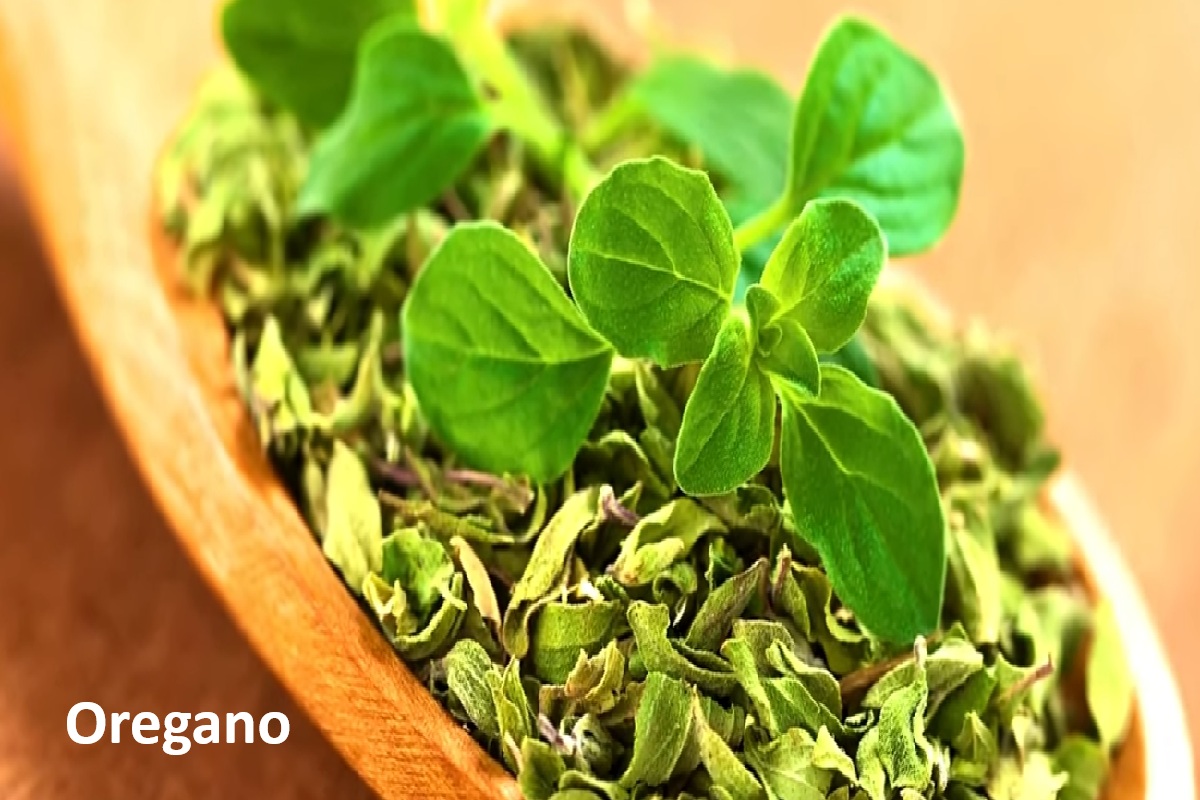
Oregano: Antimicrobial Compounds and Cooking Uses
Use a teaspoon of dried oregano in tomato sauces, pizza, marinades, and roasted vegetables. The compounds carvacrol a...
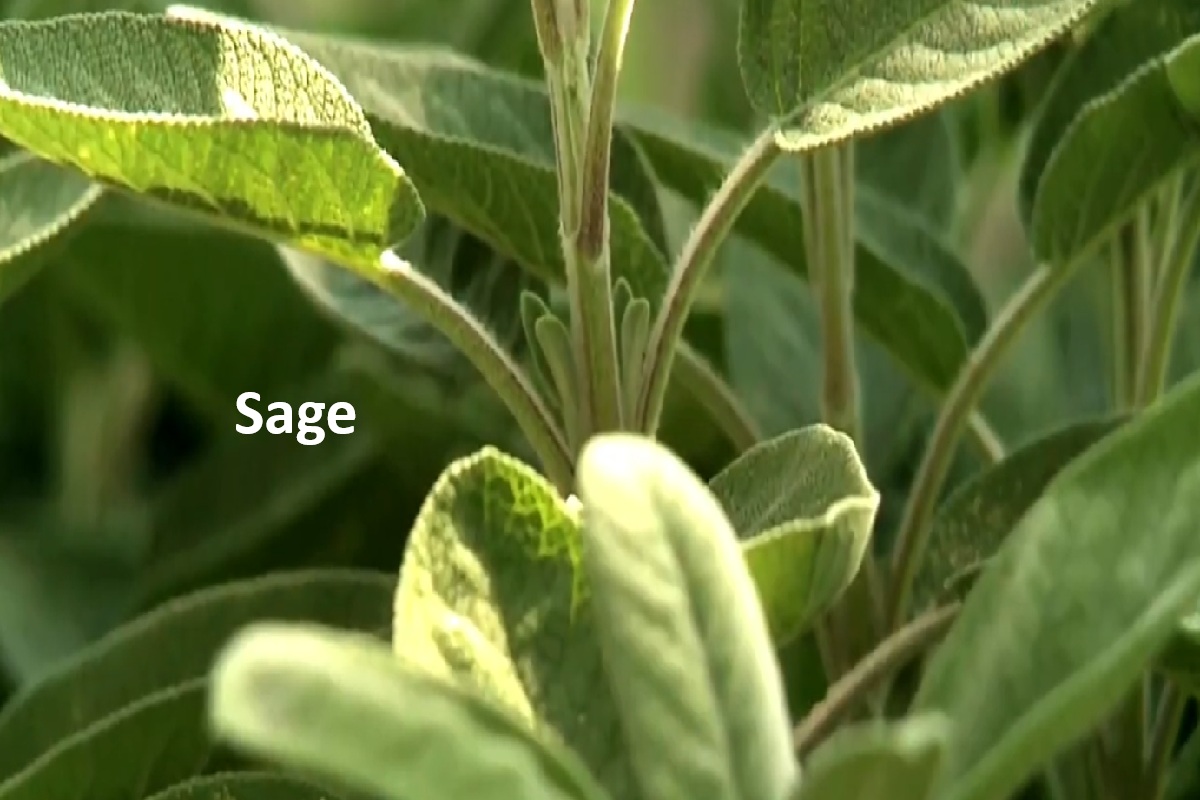
Sage: Cognitive Function and Sore Throat Research
Use whole sage leaves crisped in butter as a finishing touch for pasta, gnocchi, or roasted squash. Sage tea has been...
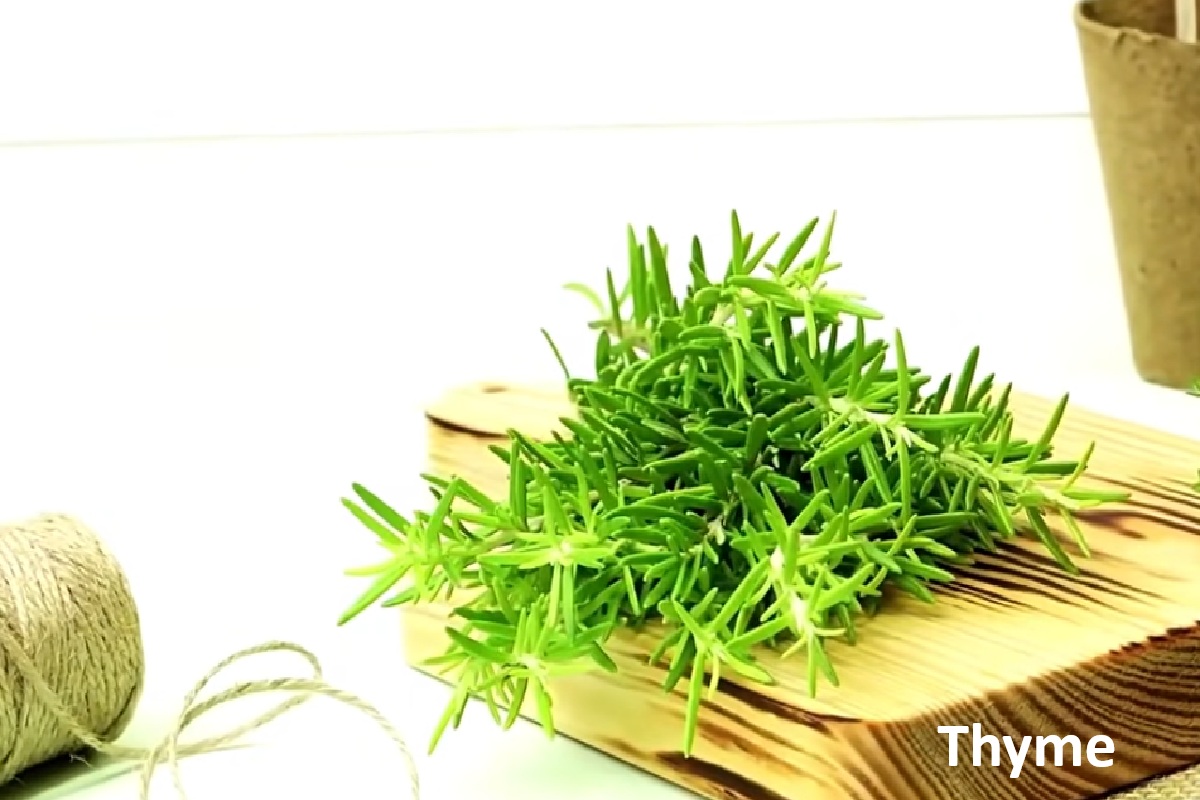
Thyme: Antimicrobial Compound Thymol and Cooking Uses
Use whole thyme sprigs in slow-cooked dishes (the leaves fall off on their own) or strip and chop for quicker uses. T...
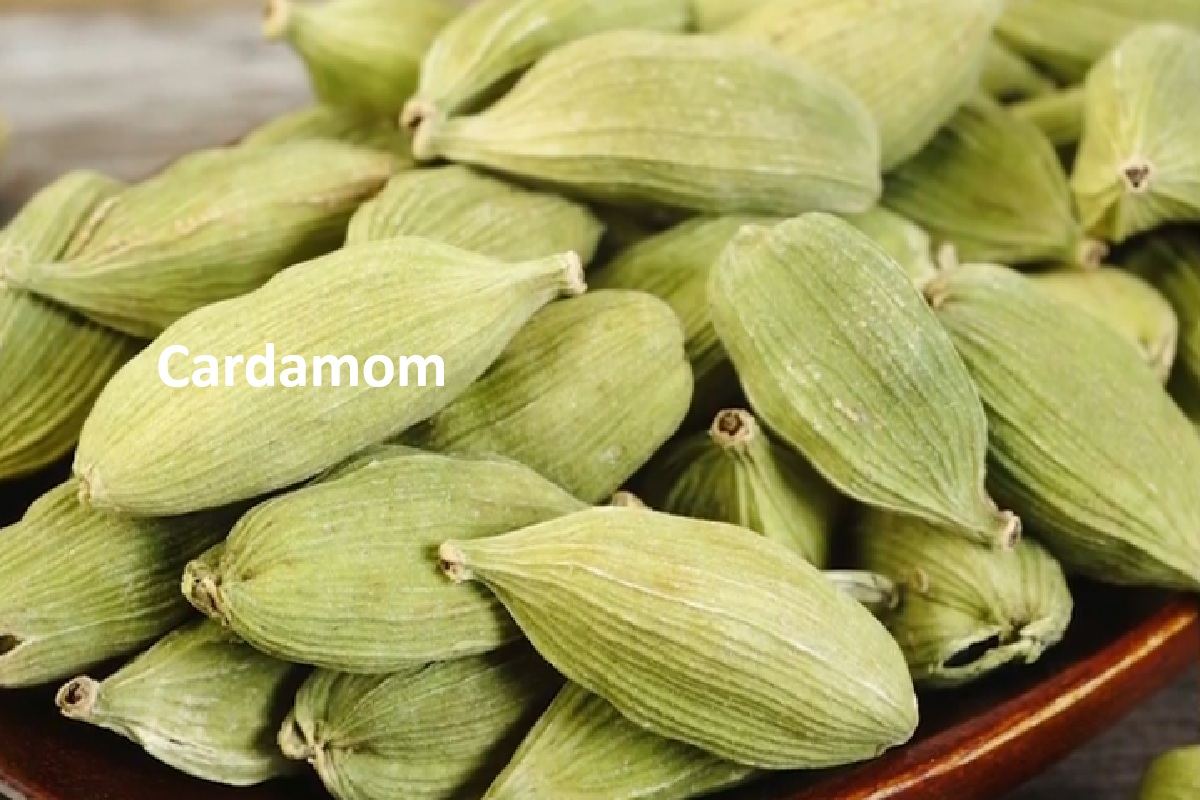
Cardamom: Heart Health, Digestion, and How to Use It
Crush green cardamom pods lightly with the side of a knife and add to chai, coffee grounds before brewing, or to rice...
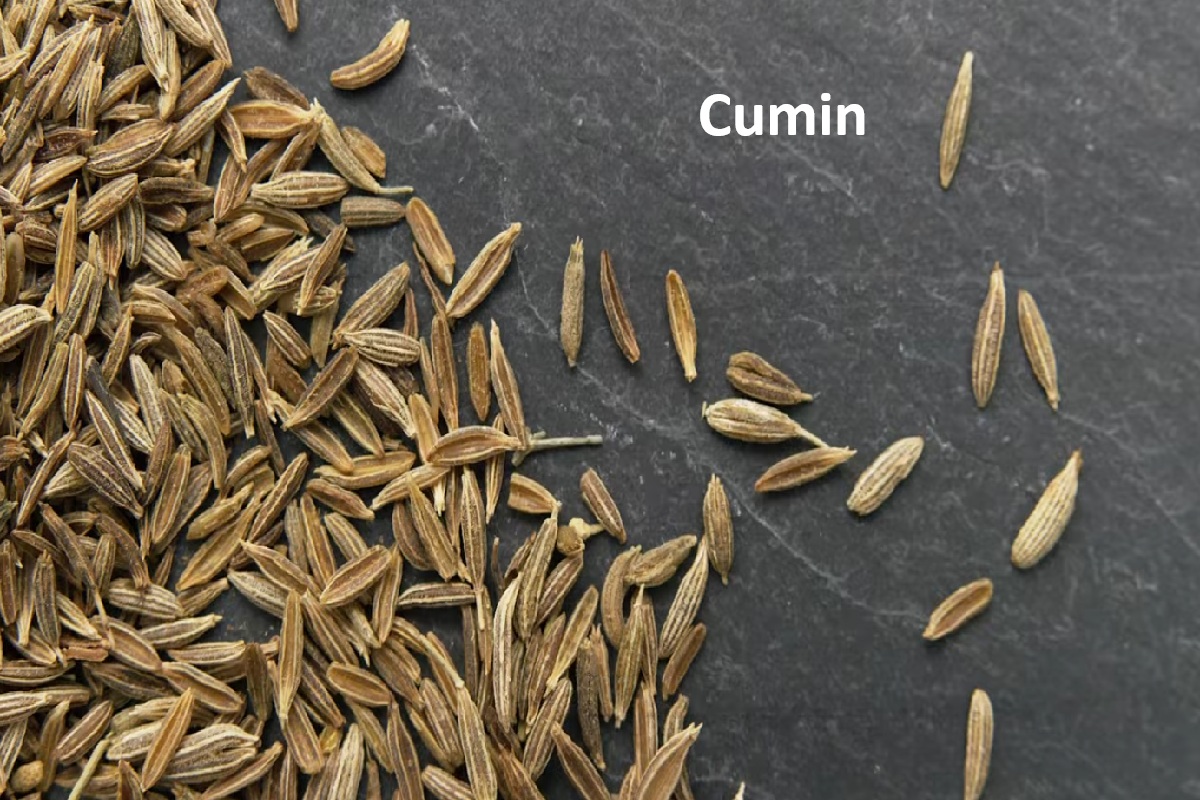
Cumin: Digestion, Iron, and How to Toast Seeds
Toast whole cumin seeds in a dry pan for 30 seconds before adding to dishes; this releases the oils and the flavor ju...
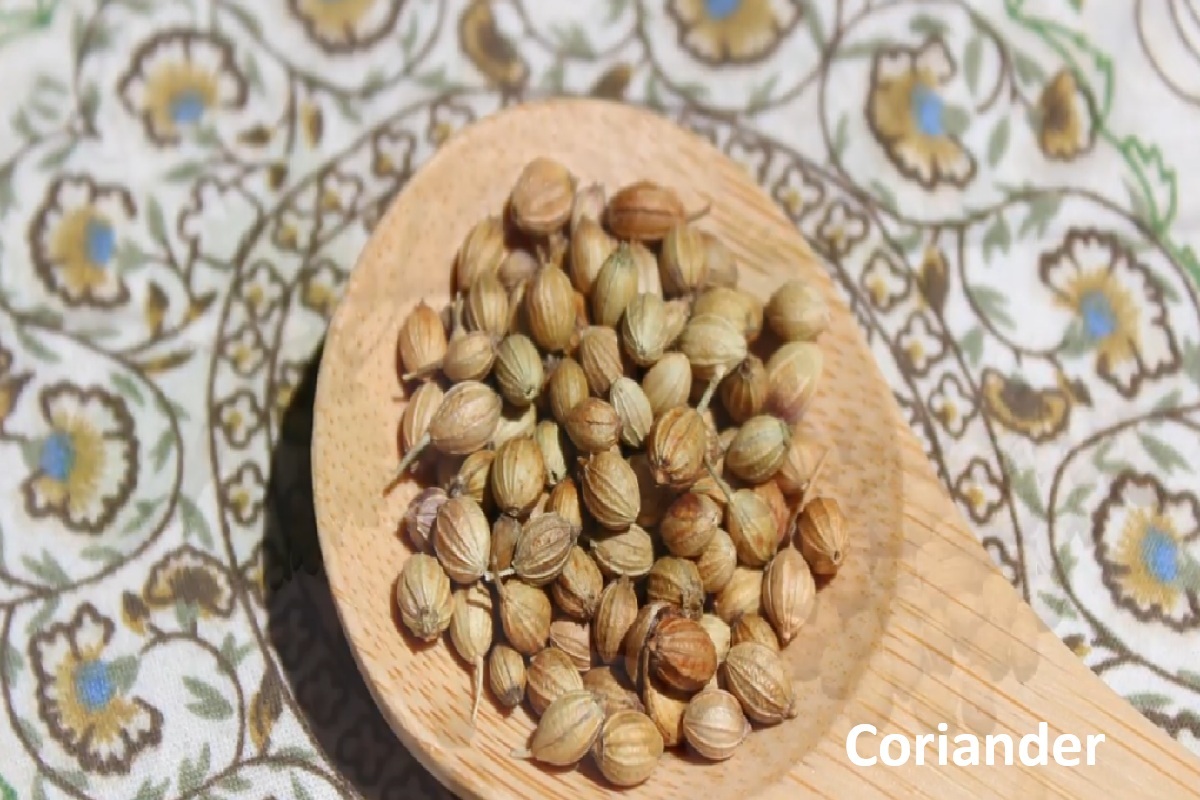
Coriander: Seeds vs Cilantro, Antioxidants, and How to Use Them
Toast whole coriander seeds in a dry pan for 30 seconds, then grind them right before using. The flavor changes compl...
Traditional and emerging (Tier 3)
Long-used in traditional medicine. Research is growing but smaller in scale. Still useful in the kitchen and with good early signs.
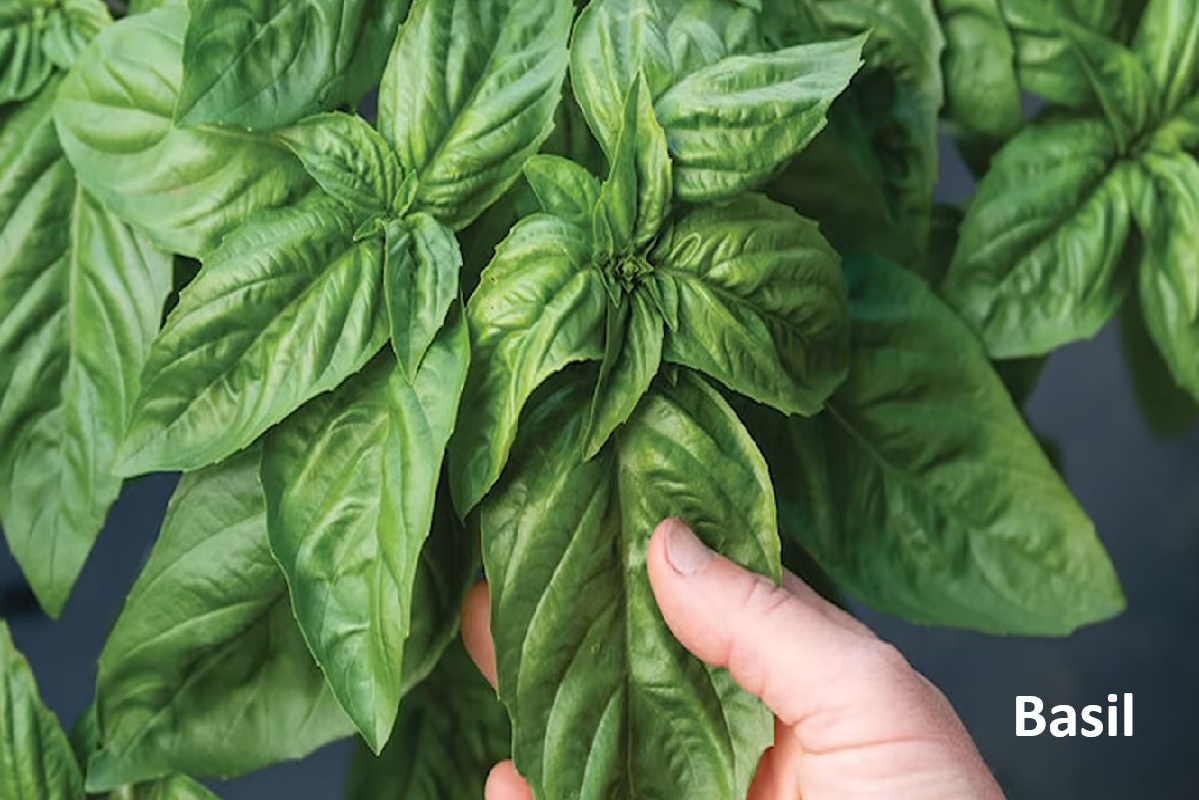
Basil: Antibacterial Compounds and How to Use Fresh Leaves
Basil is best used fresh. Tear or chop the leaves at the last minute to keep the bright flavor. Store the stems in a ...
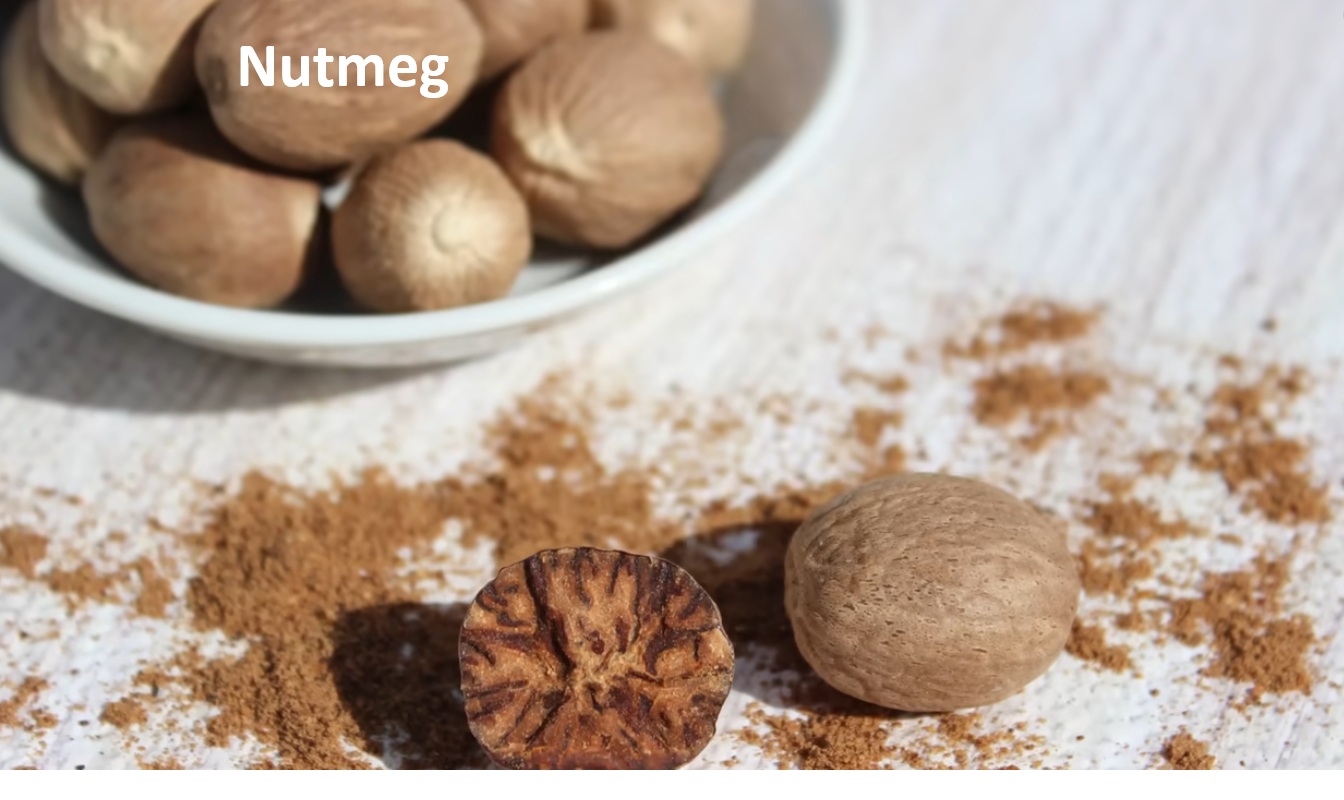
Nutmeg: Sleep, Digestion, and Why You Should Grate It Fresh
Grate whole nutmeg with a small rasp grater right when you need it. A pinch in warm milk before bed is the traditiona...
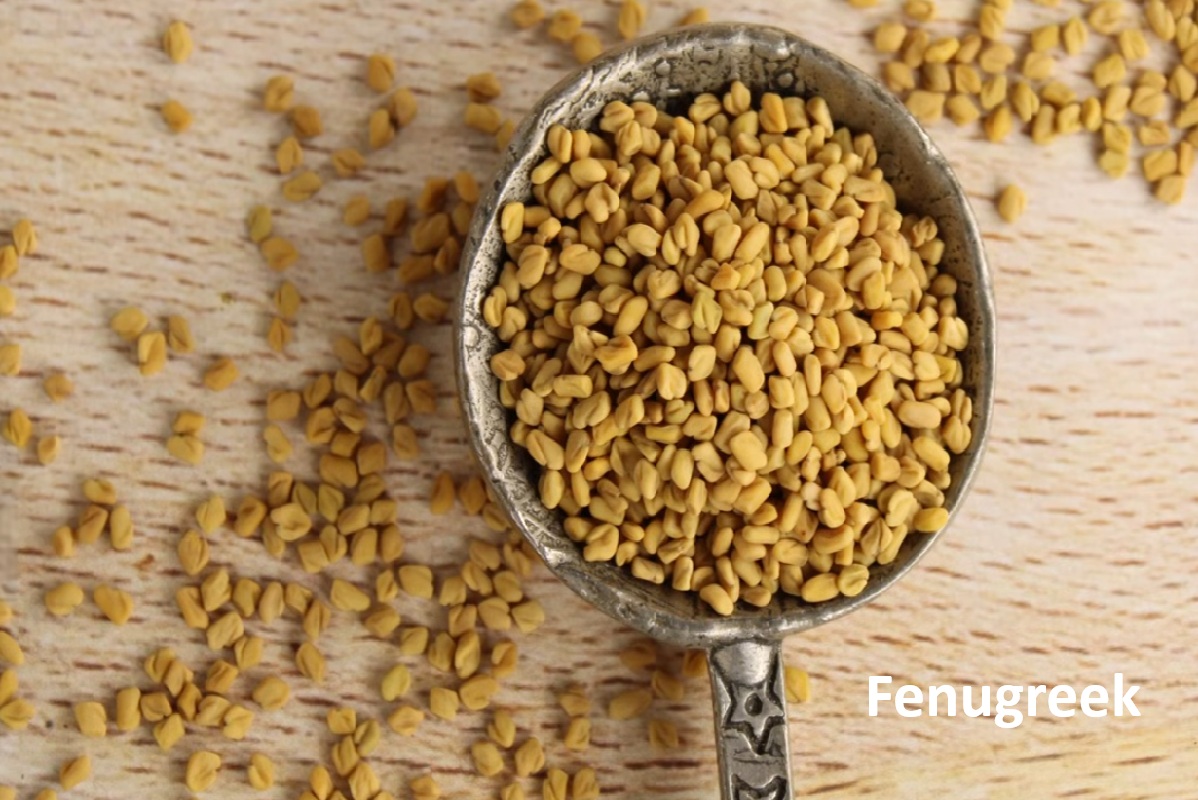
Fenugreek: Blood Sugar, Breast Milk, and How to Use the Seeds
Soak a teaspoon of fenugreek seeds in water overnight, then add them and the water to curries or stews. Studies have ...
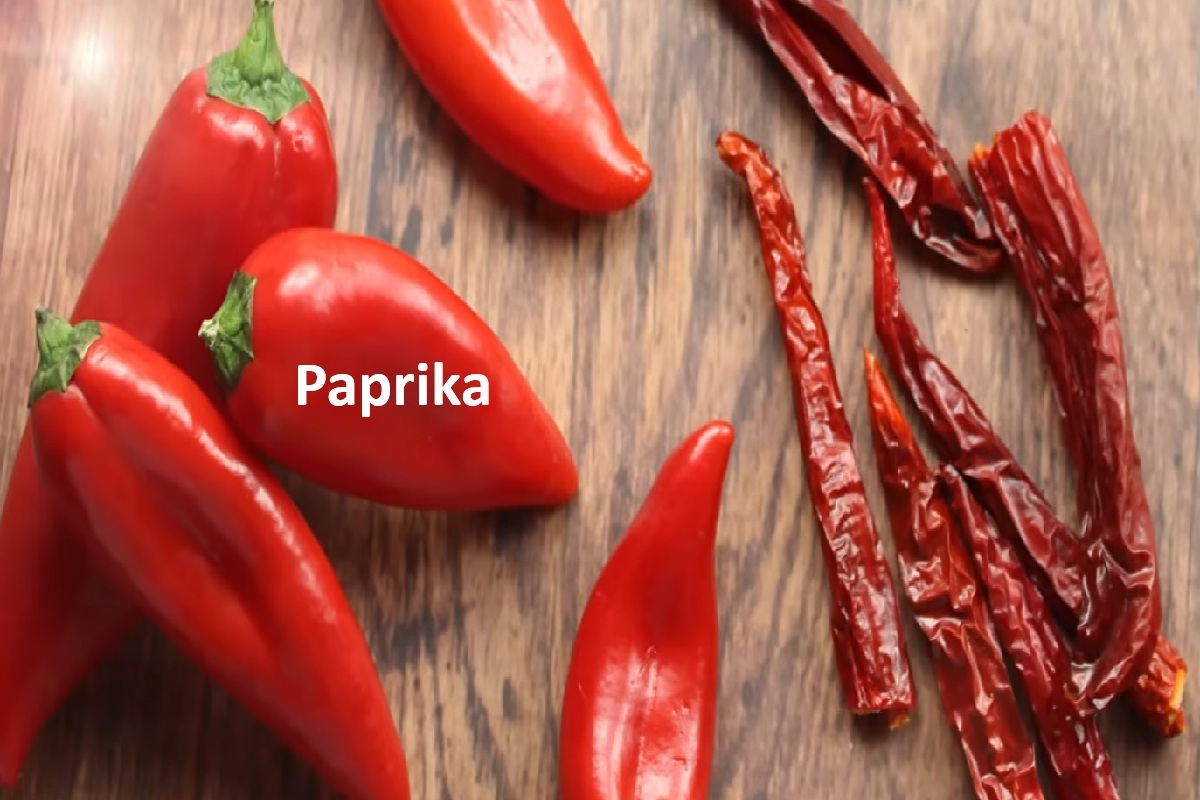
Paprika: Carotenoids, Eye Health, and the Three Main Types
Pick smoked paprika for adding depth to bean dishes, stews, and rubs. Sweet paprika is the all-purpose version for sp...

Bay Leaves: Slow-Cooked Flavor, Eugenol, and How to Use Them
Add 1 or 2 dried bay leaves to slow-cooked soups, stews, beans, and braises at the start. They infuse subtle flavor o...
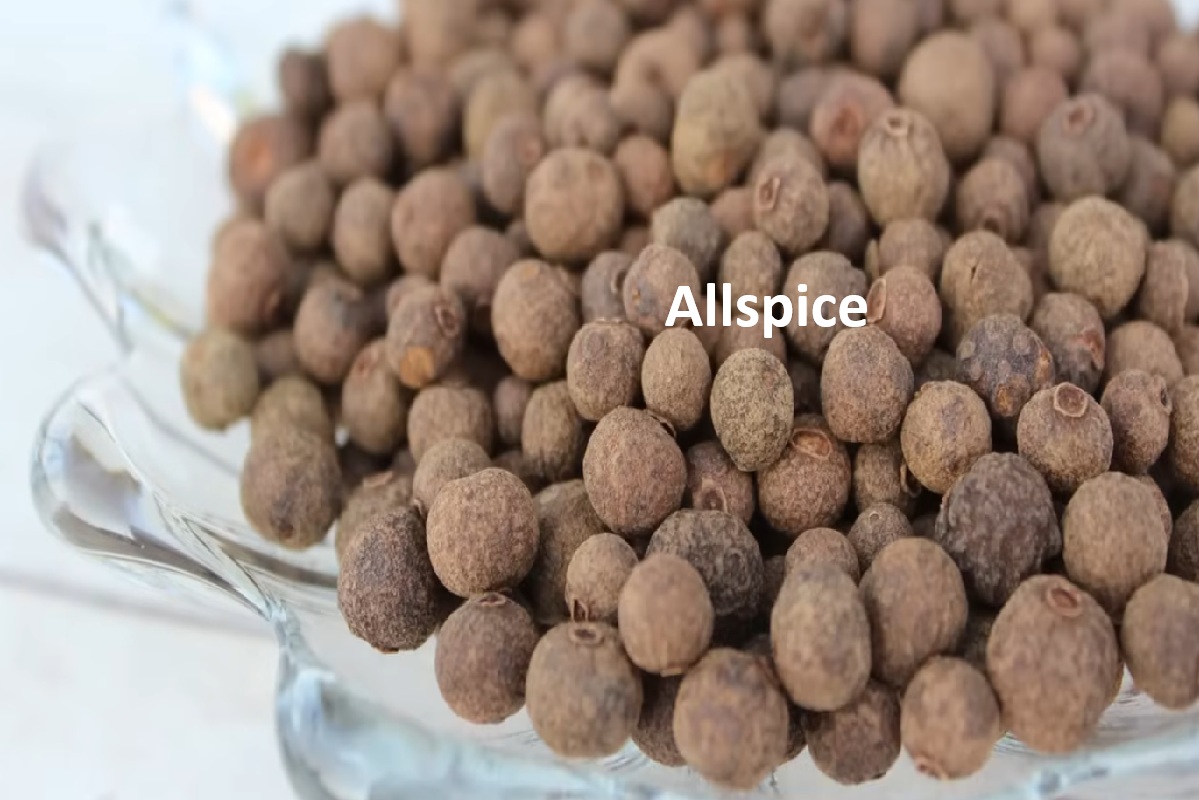
Allspice: One Spice That Tastes Like Several, and How to Use It
Allspice berries taste like a single combination of clove, cinnamon, and nutmeg. Grind whole berries fresh for a much...