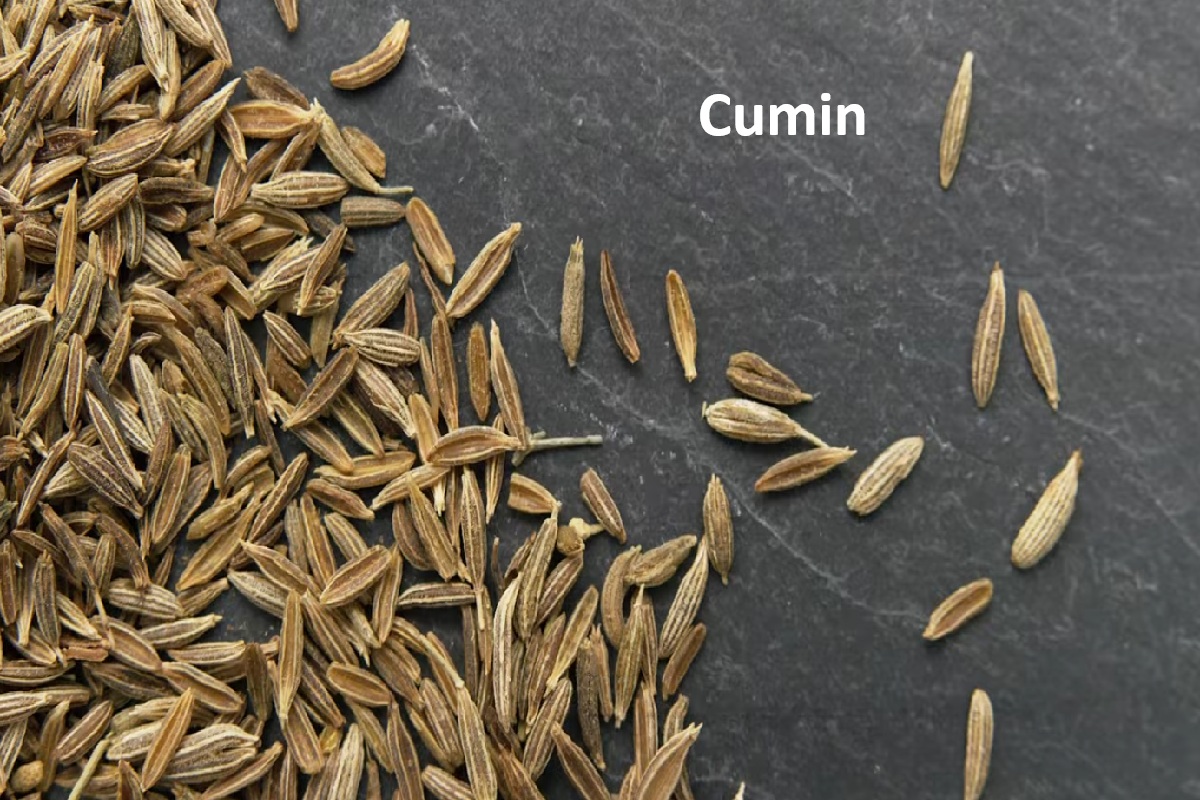
Cumin: Digestion, Iron, and How to Toast Seeds
Toast whole cumin seeds in a dry pan for 30 seconds before adding to dishes; this releases the oils and the flavor jumps. A tablespoon of cumin seeds has about a fifth of your daily iron. Studies have found cumin helps with bloating and indigestion, and a smaller trial linked daily cumin to weight loss.
What cumin is
Cumin is the dried seed of a plant in the parsley family, native to the eastern Mediterranean and South Asia. It’s one of the world’s most-used spices, central to Indian, Middle Eastern, Mexican, and North African cooking. You’ll find it in everything from chili powder to garam masala.
The active compounds get less individual research attention than turmeric or ginger, but the whole-spice effects have been studied.
What the research shows
Digestion and indigestion
Cumin has been used traditionally for digestive complaints for centuries, and modern research backs this up. A 2013 trial of 57 people with irritable bowel syndrome found that cumin essential oil supplements reduced symptoms (bloating, abdominal pain, stool consistency) over two weeks. Most participants reported meaningful improvement.
The mechanism appears to involve cumin stimulating the release of digestive enzymes and bile acids, which speeds up digestion.
Iron content
This is sometimes overlooked: cumin is high in iron for a spice. A tablespoon of cumin seeds has about 4 mg of iron, which is around a fifth of the recommended daily intake. If you’re vegetarian or have low iron, cumin in your cooking is a small but meaningful contributor.
Blood sugar
A 2018 trial in 75 people with type 2 diabetes found cumin powder (3 grams per day for 8 weeks) lowered fasting blood glucose and HbA1c modestly. The effect was small but consistent.
Weight loss
A 2014 trial in 88 overweight women compared cumin powder with low-fat yogurt to low-fat yogurt alone. The cumin group lost slightly more weight over three months and had improvements in cholesterol numbers. The trial was small but interesting; the dose was 3 grams of cumin daily.
Antioxidant content
Cumin ranks above many fruits gram-for-gram for antioxidant content. Like most spices, this is a meaningful but modest contribution to total daily antioxidants.
How to toast cumin
This makes a real difference and takes 30 seconds.
- Heat a dry skillet over medium heat
- Add whole cumin seeds (start with a tablespoon)
- Stir or shake constantly for 30-60 seconds, until the seeds darken slightly and smell strongly nutty
- Tip them out of the hot pan immediately so they don’t burn
Toasted cumin seeds can go directly into dishes whole, or you can grind them in a mortar and pestle or coffee mill. The flavor jumps about 2x compared to untoasted ground cumin from a jar.
How to use it
Cumin is one of the most flexible spices. A few uses:
- Toasted and ground, then added to taco meat, chili, and bean dishes
- A teaspoon of whole seeds in the oil at the start of an Indian curry
- Sprinkled with salt on grilled meat or roasted carrots
- Mixed into yogurt for a quick raita
- In Moroccan-style stews with cinnamon and coriander
- A pinch in hummus
- Whole seeds in pickling brines
- Roasted with chickpeas as a snack
How much per day
A teaspoon of cumin in your cooking gives you good flavor and a meaningful amount of the active compounds and iron. For the digestive trials, supplement doses were higher (around 3 grams per day, or about a tablespoon of ground cumin). You can use that much in a single dish of curry; spreading it across the week is easy.
Who should be careful
Cumin is safe for nearly everyone in food amounts. A few minor cautions:
- High-dose cumin supplements (not food amounts) may slow blood clotting. Talk to your doctor if you take blood thinners.
- Pregnant women should avoid concentrated cumin supplements; food amounts are fine.
- Some people have allergic reactions to cumin; if you’ve had reactions to other plants in the parsley family (parsley, carrots, celery, fennel), be cautious.
Buying and storing
Buy whole cumin seeds when you can. They keep their flavor for around 3 years stored in a sealed container away from light, compared to about 6 months for pre-ground.
Look for plump seeds, brown-yellow in color, with a strong fragrance when you rub a few between your fingers. Old cumin smells faintly dusty rather than strongly nutty. Grind whole seeds as needed in a coffee mill (dedicated to spices, not coffee) or mortar and pestle.
Related spices
Spices that work well alongside this one, or share similar benefits.
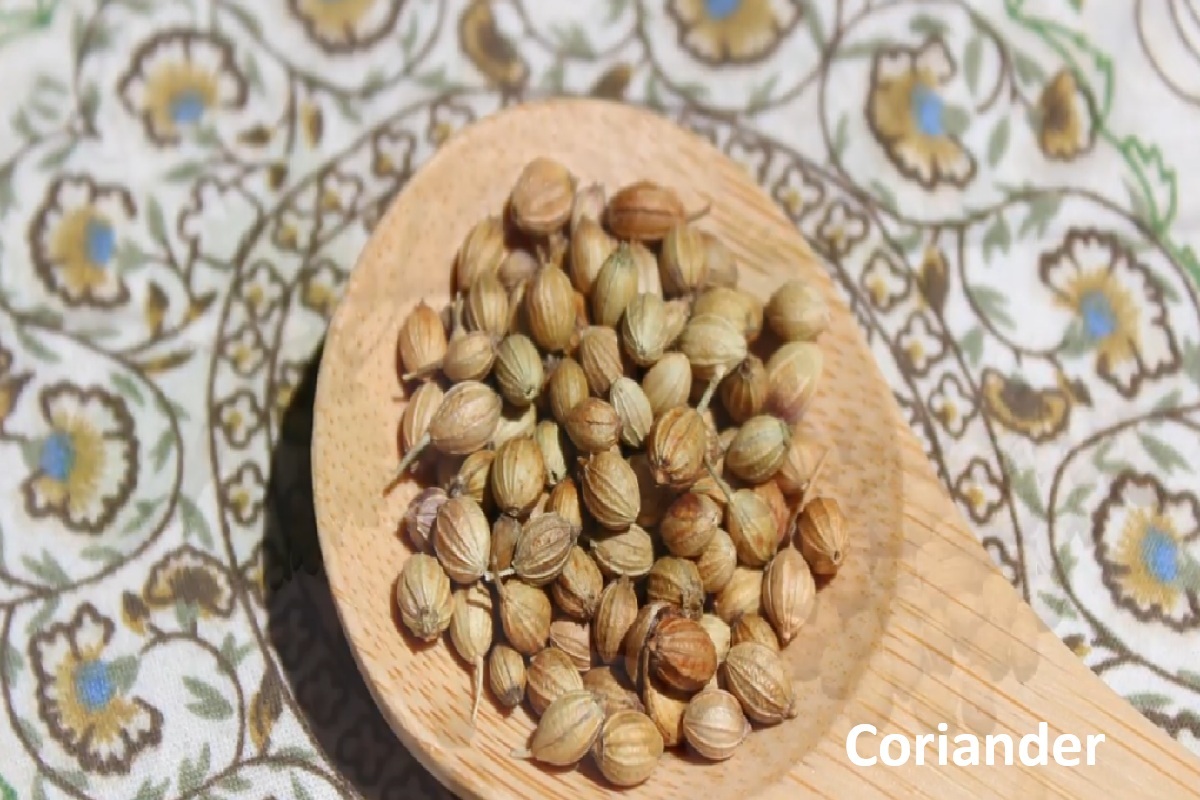
Coriander: Seeds vs Cilantro, Antioxidants, and How to Use Them
Toast whole coriander seeds in a dry pan for 30 seconds, then grind them right before using. The flavor changes compl...
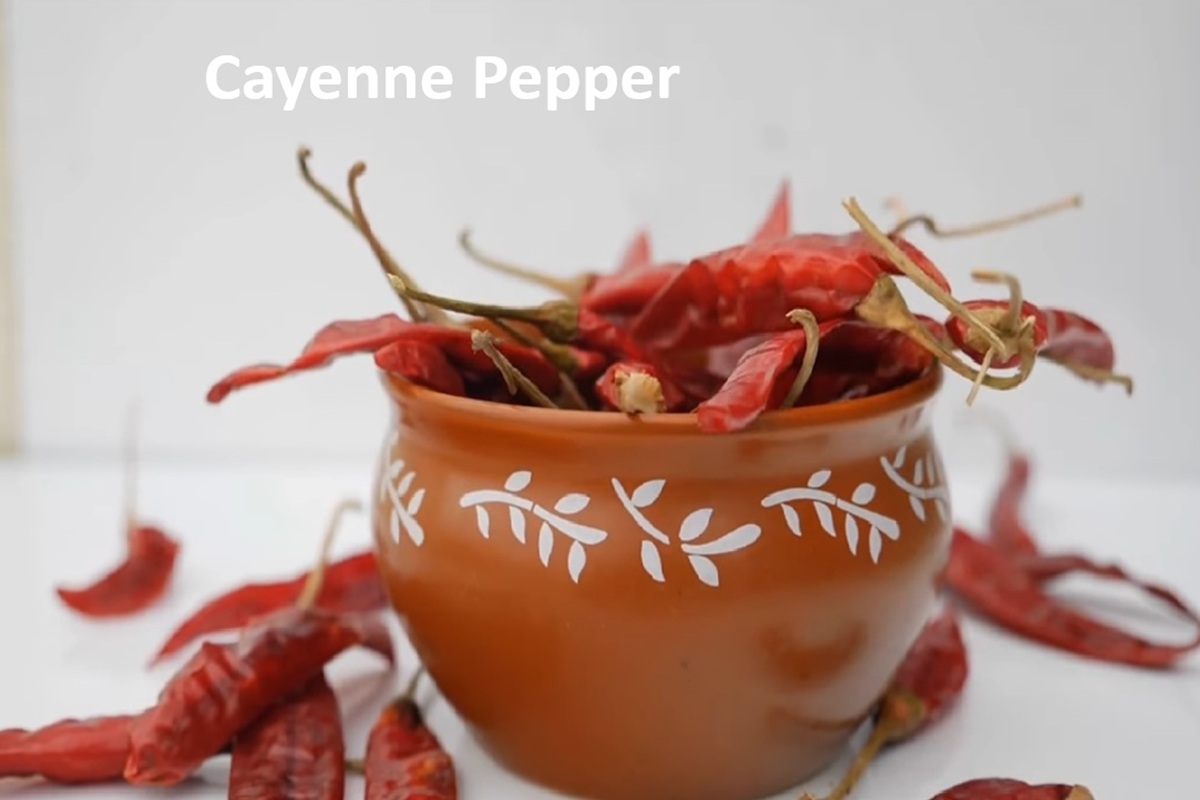
Cayenne Pepper: Capsaicin, Metabolism, and How to Use It
Start with a quarter teaspoon of cayenne in soups, chili, or eggs and work up from there. Capsaicin, the heat compoun...
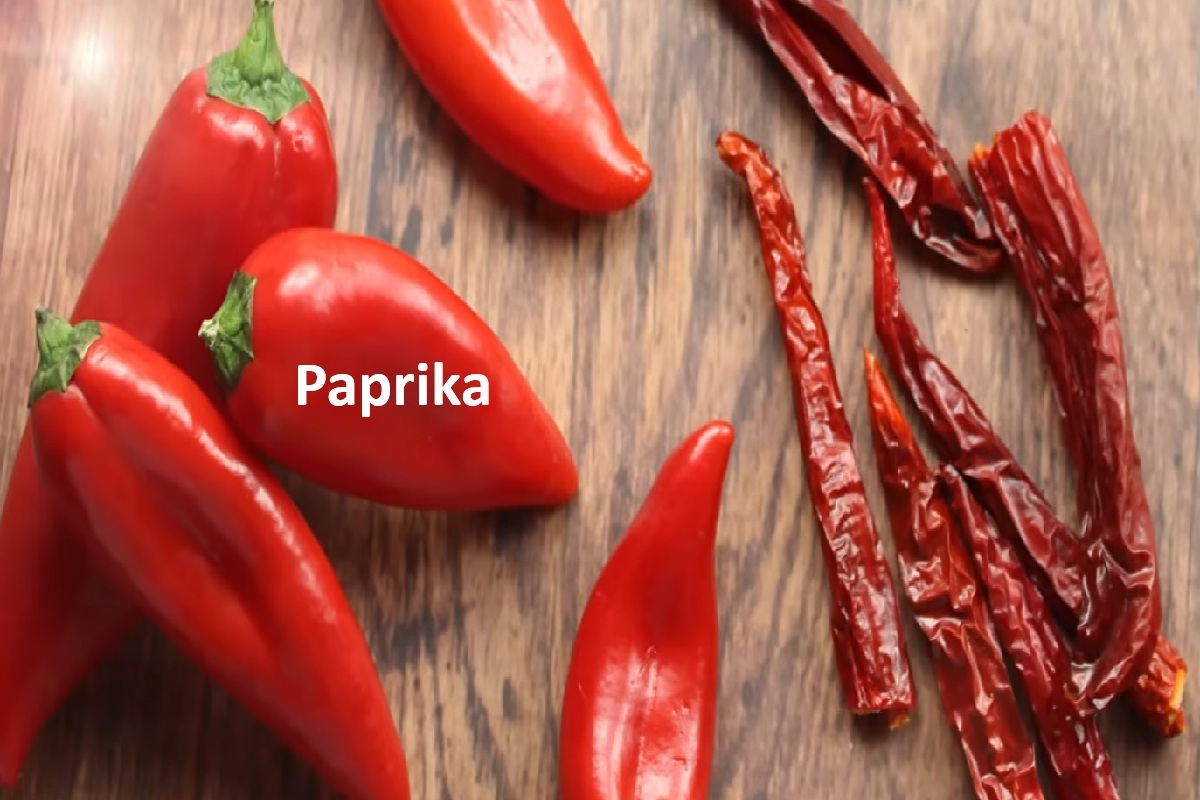
Paprika: Carotenoids, Eye Health, and the Three Main Types
Pick smoked paprika for adding depth to bean dishes, stews, and rubs. Sweet paprika is the all-purpose version for sp...