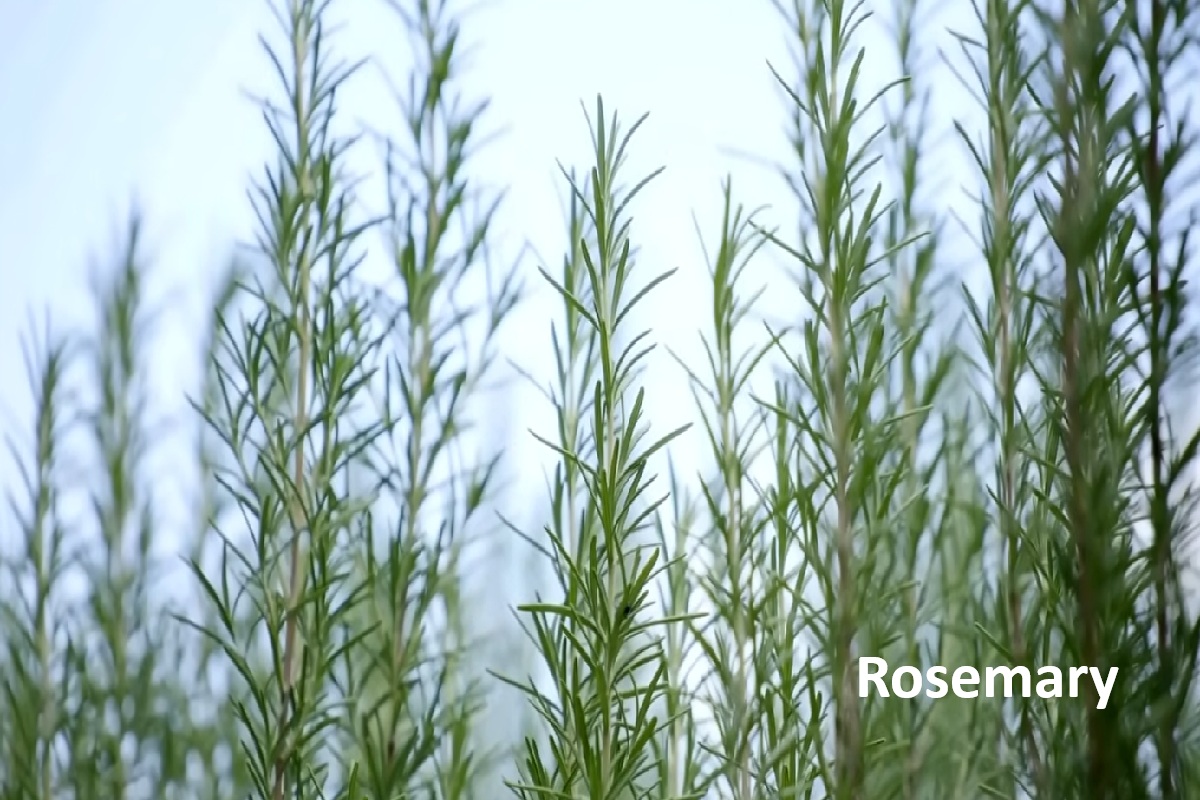
Rosemary: Memory, Antioxidants, and Cooking Uses
Throw a couple of fresh rosemary sprigs into roasted potatoes, chicken, or olive oil for dipping bread. The active compounds carnosic acid and rosmarinic acid are antioxidants linked to memory and focus in small studies. Sniffing rosemary essential oil has been shown to improve recall on test tasks.
What rosemary is
Rosemary is a woody evergreen herb in the mint family, native to the Mediterranean. The needle-like leaves are intensely aromatic. It’s used in cooking across southern Europe and the Middle East, often with lamb, chicken, potatoes, and bread.
The active compounds that get most of the attention in research are carnosic acid (an antioxidant) and rosmarinic acid (also antioxidant and anti-inflammatory).
What the research shows
Memory and cognition
This is rosemary’s most-studied area, and the research is interesting even though most studies have been small.
A 2012 study from Northumbria University found that people who worked in a room scented with rosemary essential oil performed better on memory tasks than those in an unscented room. The effect was specifically on prospective memory (remembering to do things at a future time).
A 2017 study found a single dose of rosemary water improved memory test performance in older adults. The effects appear to be both from sniffing the aromatic compounds and from ingesting them.
The mechanism is not fully understood but appears related to compounds in rosemary that inhibit an enzyme called acetylcholinesterase, similar to how some Alzheimer’s medications work (though much milder).
Antioxidant activity
Rosemary is high in antioxidant compounds, particularly carnosic acid and rosmarinic acid. Rosemary extract is approved as a food preservative in the EU specifically because of its antioxidant strength.
Anti-inflammatory effects
Rosmarinic acid has anti-inflammatory effects in lab studies. Some smaller human trials have found that rosemary extract reduces markers of inflammation.
Hair growth
A 2015 trial compared rosemary oil to minoxidil (the active ingredient in Rogaine) for androgenetic alopecia over six months. Both produced similar hair regrowth, with rosemary oil causing less scalp itching. Just one small trial, but a striking result.
How to use it
Rosemary is woody and intense. The texture means the leaves don’t soften much in cooking, so most uses either chop them finely or leave the sprigs whole to remove later.
- Tucked under the skin of a whole roast chicken with butter
- Whole sprigs added to a roasting pan with potatoes, carrots, and olive oil
- Finely chopped into bread dough, focaccia especially
- Infused in olive oil with garlic for dipping bread
- A sprig added to a pot of beans or lentils while they cook
- Stripped from the stem and finely chopped into rubs for lamb or steak
- Whole sprigs as a skewer for grilled meat or vegetables
Use fresh when you can. Dried rosemary works but loses some of the pine-citrus notes that make fresh rosemary distinct.
How much per day
There’s no specific daily dose for rosemary. The amounts you’d use in cooking, a tablespoon or two of fresh per dish, are plenty to get the flavor and the compound exposure. For memory effects studied with rosemary aromatherapy, just being near a diffuser for 10 to 20 minutes was enough.
Who should be careful
Rosemary in food amounts is safe for nearly everyone. A few cautions:
- High-dose rosemary supplements (not food amounts) can interfere with blood thinners and ACE inhibitors. Talk to your doctor before taking concentrated supplements.
- Pregnant women should avoid rosemary essential oil and concentrated supplement doses. Food amounts are fine.
- Some people have skin sensitivity to rosemary essential oil. Dilute it with a carrier oil before applying topically.
Buying and storing
Fresh rosemary is widely available year-round. Look for sprigs with bright green needles that haven’t dried out or yellowed. Store wrapped loosely in damp paper towel inside a plastic bag in the fridge for up to two weeks.
For long-term storage, you can freeze fresh rosemary whole (strip the leaves first, freeze them flat on a tray, then bag them) or dry it. Hang sprigs upside down in a warm, dry place for a week to dry naturally.
Dried rosemary keeps for about a year. The leaves should still smell strongly of pine and lemon when you crush them between your fingers. If they smell flat, it’s time to replace.
Related spices
Spices that work well alongside this one, or share similar benefits.
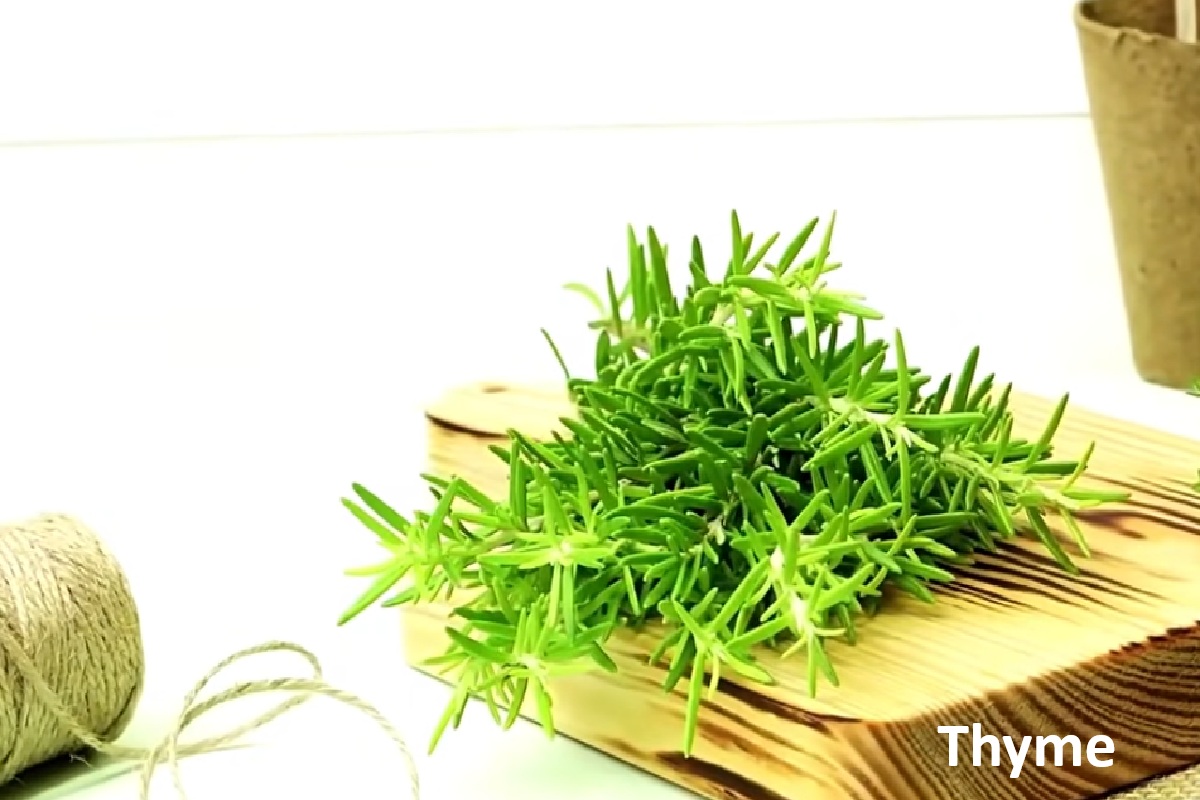
Thyme: Antimicrobial Compound Thymol and Cooking Uses
Use whole thyme sprigs in slow-cooked dishes (the leaves fall off on their own) or strip and chop for quicker uses. T...
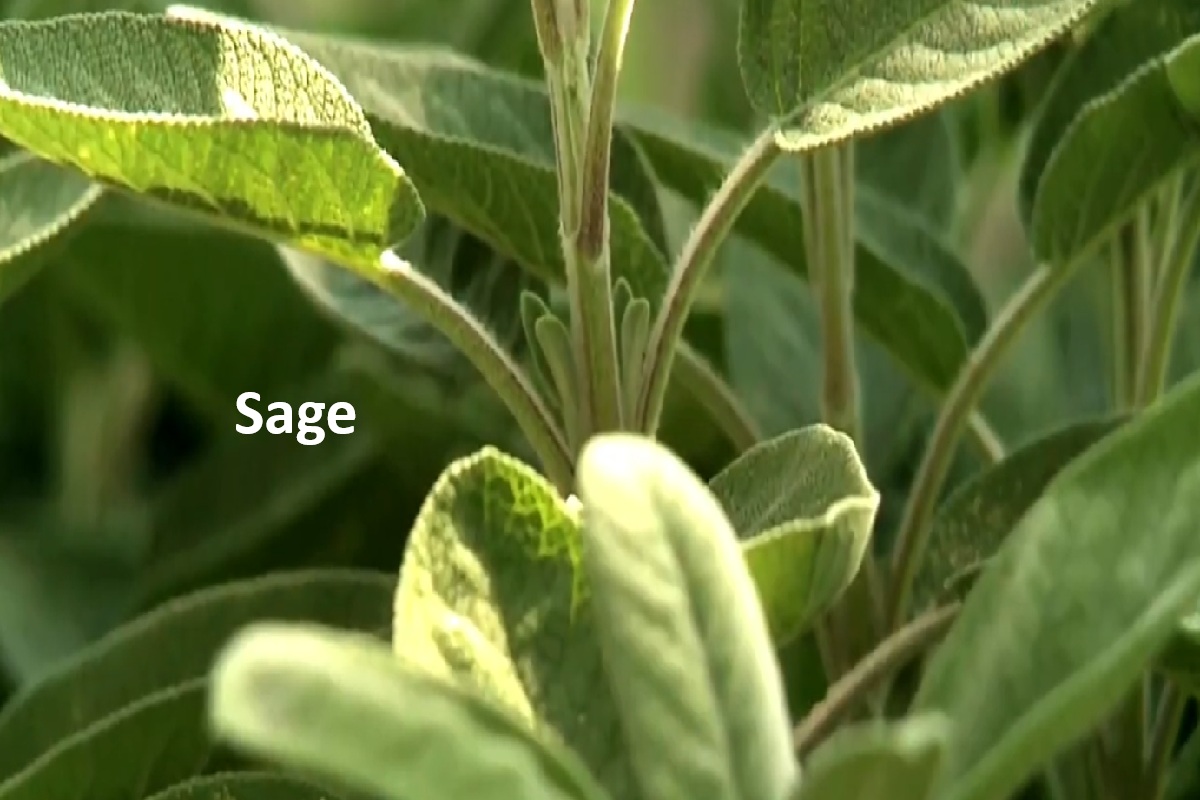
Sage: Cognitive Function and Sore Throat Research
Use whole sage leaves crisped in butter as a finishing touch for pasta, gnocchi, or roasted squash. Sage tea has been...
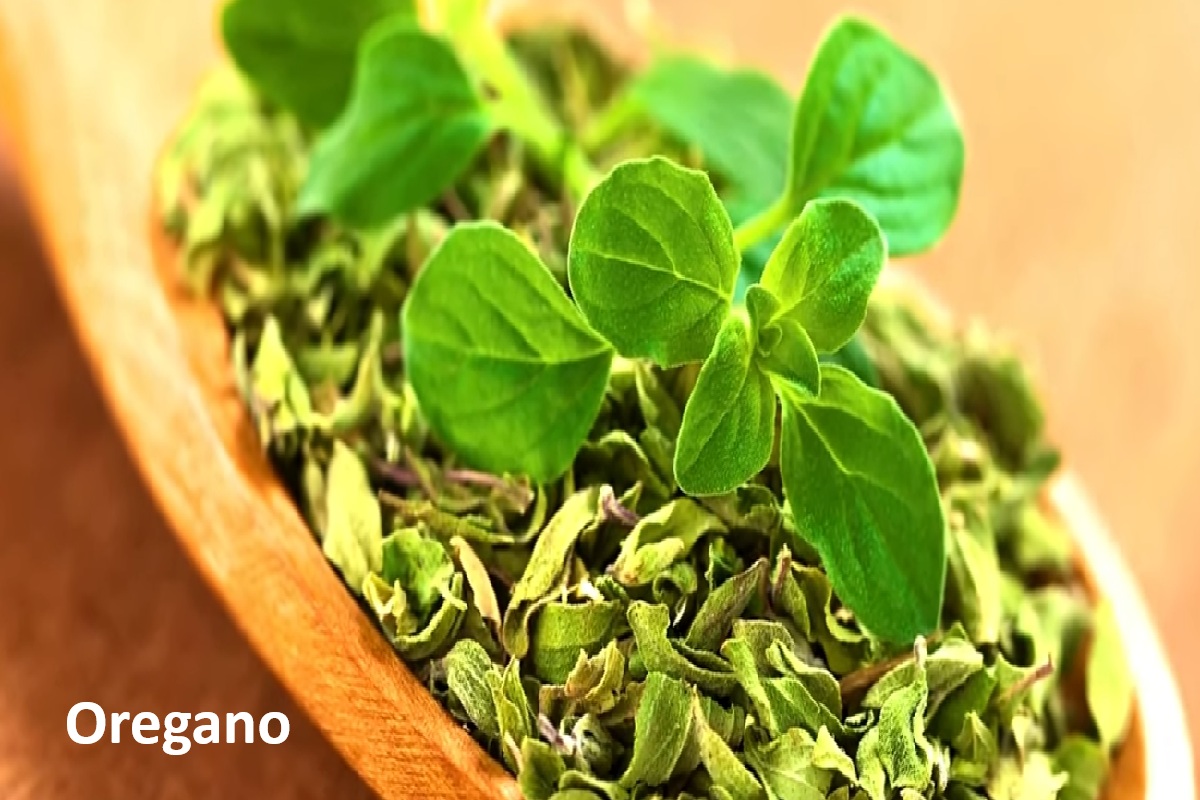
Oregano: Antimicrobial Compounds and Cooking Uses
Use a teaspoon of dried oregano in tomato sauces, pizza, marinades, and roasted vegetables. The compounds carvacrol a...