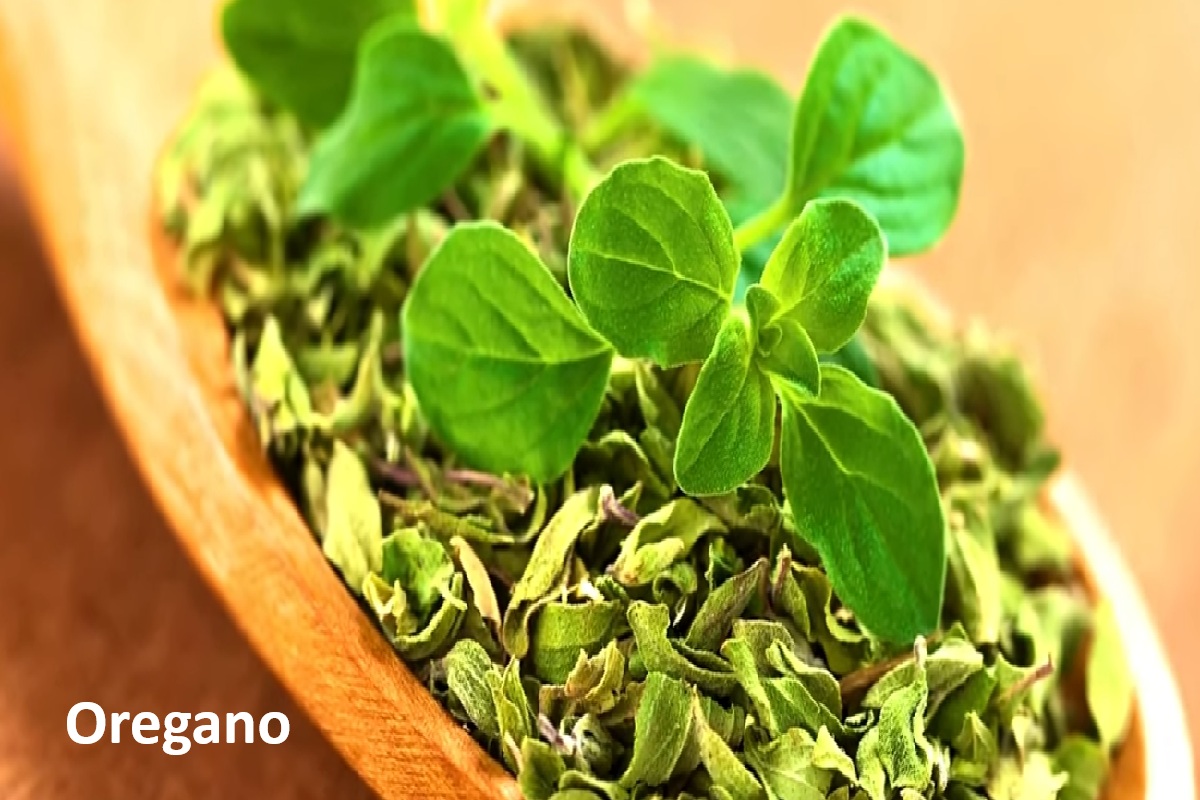
Oregano: Antimicrobial Compounds and Cooking Uses
Use a teaspoon of dried oregano in tomato sauces, pizza, marinades, and roasted vegetables. The compounds carvacrol and thymol have antimicrobial activity in lab tests. Mediterranean oregano (the cooking kind) and Mexican oregano are different plants with different flavors, so check the label.
What oregano is
Oregano is a perennial herb in the mint family. The Mediterranean variety (Origanum vulgare) is what’s used in Italian, Greek, and Turkish cooking. Mexican oregano (Lippia graveolens) is a different plant entirely, with a brighter, more citrusy flavor. They’re not interchangeable, but both work in their respective cuisines.
The two main active compounds in oregano are carvacrol and thymol. Both are also found in thyme, which is why the two herbs share some of the same effects.
What the research shows
Oregano’s research has focused mostly on its antimicrobial properties.
Antimicrobial activity
Multiple lab studies have shown that oregano oil and its compound carvacrol kill or inhibit a range of bacteria, fungi, and parasites. The list includes E. coli, Salmonella, Listeria, and Candida albicans.
A 2019 review in the Brazilian Journal of Microbiology found oregano oil effective in lab settings against several drug-resistant bacterial strains, including MRSA. These are lab tests, not clinical trials in humans, but they’re consistent with the long traditional use of oregano in food preservation.
Antioxidant content
Oregano has one of the highest antioxidant concentrations among common herbs. Fresh oregano contains more than dried, though dried still ranks well.
Anti-inflammatory effects
Several smaller studies have found oregano extract reduces markers of inflammation. The effect is comparable to other Mediterranean herbs like rosemary and thyme.
Respiratory support
Some smaller trials have found oregano oil capsules helpful for clearing chest infections, though the evidence here is much weaker than the lab antimicrobial data.
A note on oregano oil specifically: the supplement form is very concentrated and very different from food. Most of the antimicrobial research uses the essential oil or concentrated extracts, not the dried herb you’d sprinkle on pizza. For everyday cooking, you get the flavor and a meaningful (but smaller) amount of the active compounds.
How to use it
Oregano is one of the most versatile dried herbs. A few easy uses:
- A teaspoon in tomato sauce for pasta or pizza
- Mixed with olive oil and red wine vinegar as a vinaigrette
- Sprinkled on roasted potatoes, carrots, or cauliflower
- In rubs for lamb, chicken, and pork
- Greek salad with feta, cucumber, tomato, olives, and oregano
- Steeped in olive oil for dipping bread
- A pinch in chili or bean dishes
Dried oregano is unusual among herbs in that the dried version is sometimes better than fresh for certain dishes. Drying concentrates the flavor in a way that holds up well in long-cooked sauces.
How much per day
There’s no specific daily dose for oregano in food. A teaspoon of dried oregano per dish gives you the flavor and a meaningful amount of compounds. For oregano oil supplements, doses vary widely; if you’re considering them, talk to a healthcare professional and pay attention to the carvacrol percentage on the label.
Who should be careful
Oregano in food amounts is safe for nearly everyone. A few cautions for concentrated forms:
- Oregano oil is potent and can irritate the mouth, throat, and stomach if taken neat. Always dilute or use a labeled capsule product.
- Some people have allergic reactions, especially those allergic to other plants in the mint family.
- High-dose oregano oil supplements may interact with blood thinners and diabetes medications. Talk to your doctor.
- Pregnant women should avoid oregano oil supplements. Food amounts are fine.
Buying and storing
For dried oregano, look for whole leaves rather than powder. The leaves should be green-grey, not brown or yellow. Crush some between your fingers; the smell should be strong and herbal. If it’s faint, it’s old.
Fresh oregano keeps for about a week in the fridge, wrapped in damp paper towel. Dried oregano keeps about a year in a sealed container away from light. Italian or Greek dried oregano (sometimes sold as rigani) is a step up in quality from the supermarket basic.
Related spices
Spices that work well alongside this one, or share similar benefits.
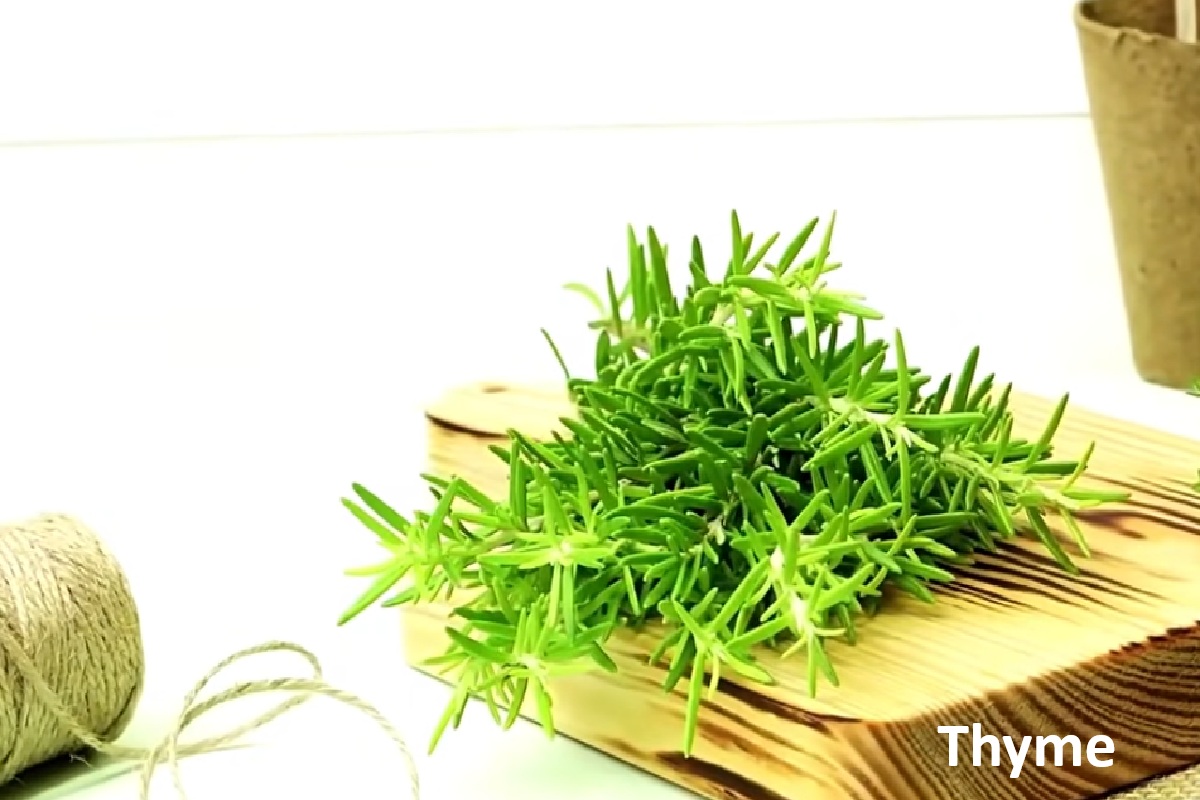
Thyme: Antimicrobial Compound Thymol and Cooking Uses
Use whole thyme sprigs in slow-cooked dishes (the leaves fall off on their own) or strip and chop for quicker uses. T...
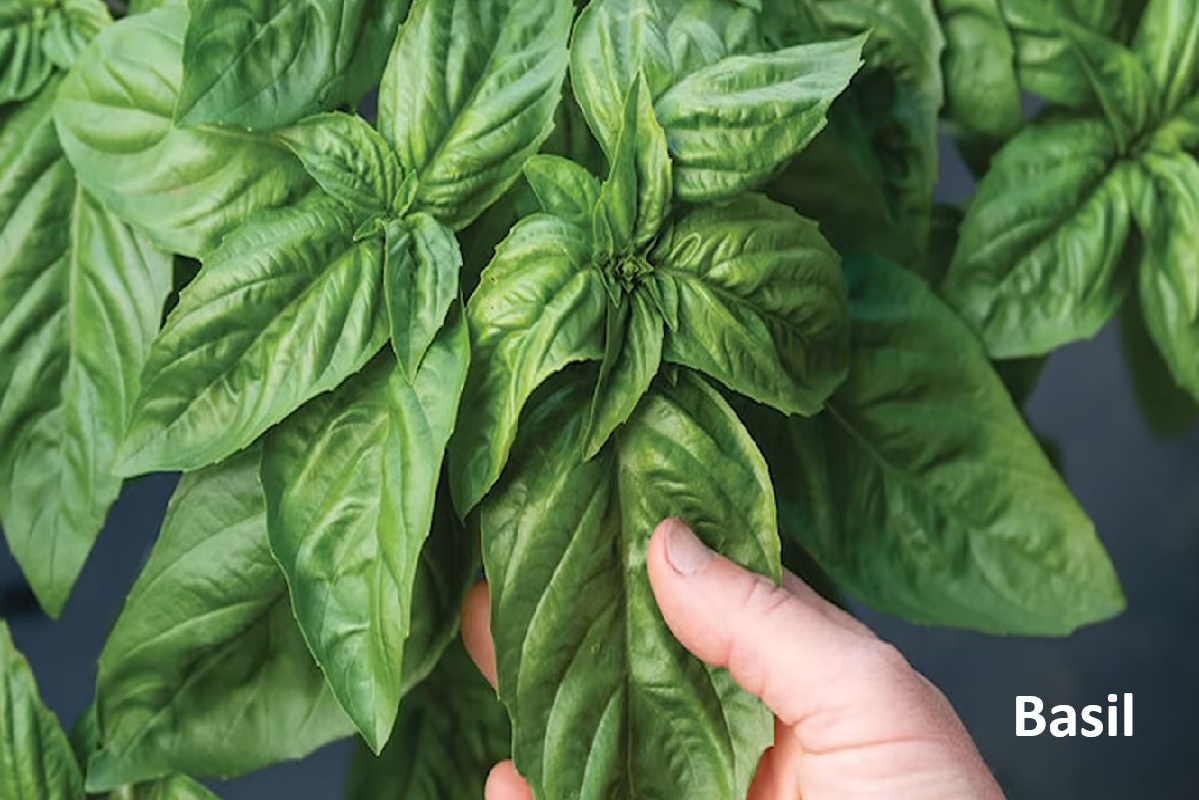
Basil: Antibacterial Compounds and How to Use Fresh Leaves
Basil is best used fresh. Tear or chop the leaves at the last minute to keep the bright flavor. Store the stems in a ...
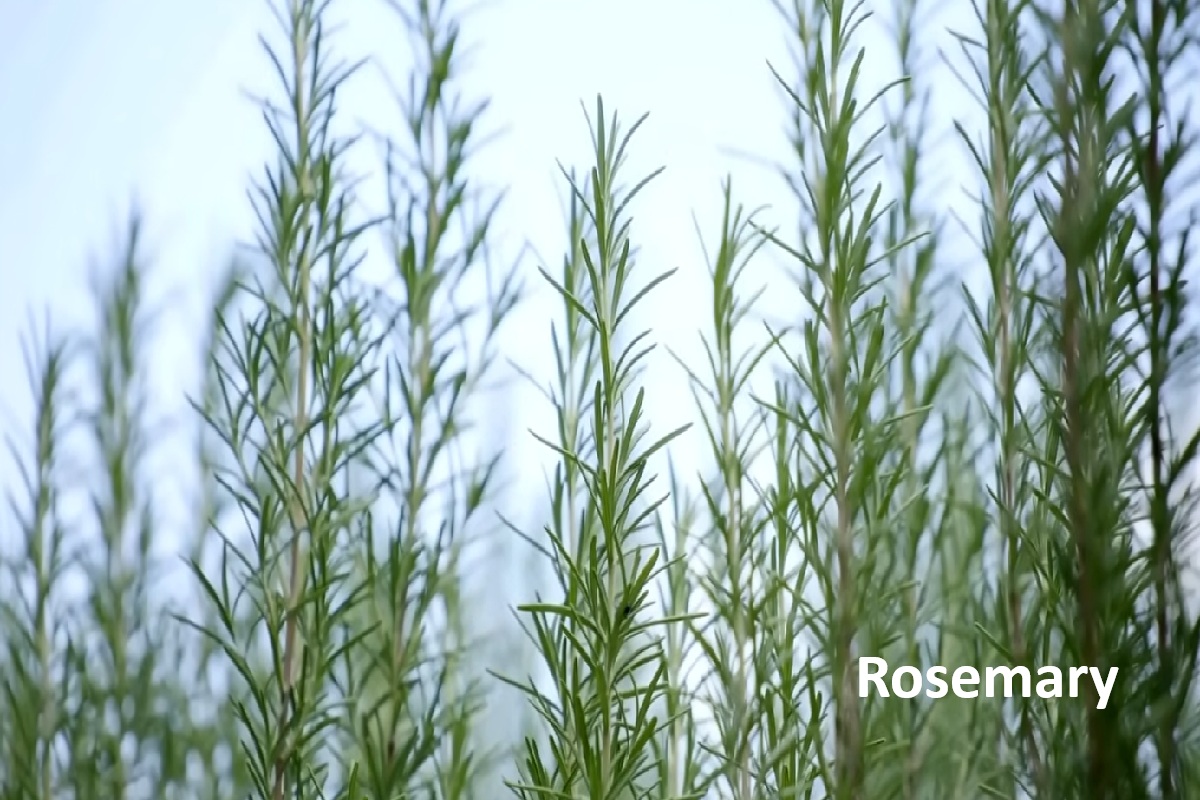
Rosemary: Memory, Antioxidants, and Cooking Uses
Throw a couple of fresh rosemary sprigs into roasted potatoes, chicken, or olive oil for dipping bread. The active co...