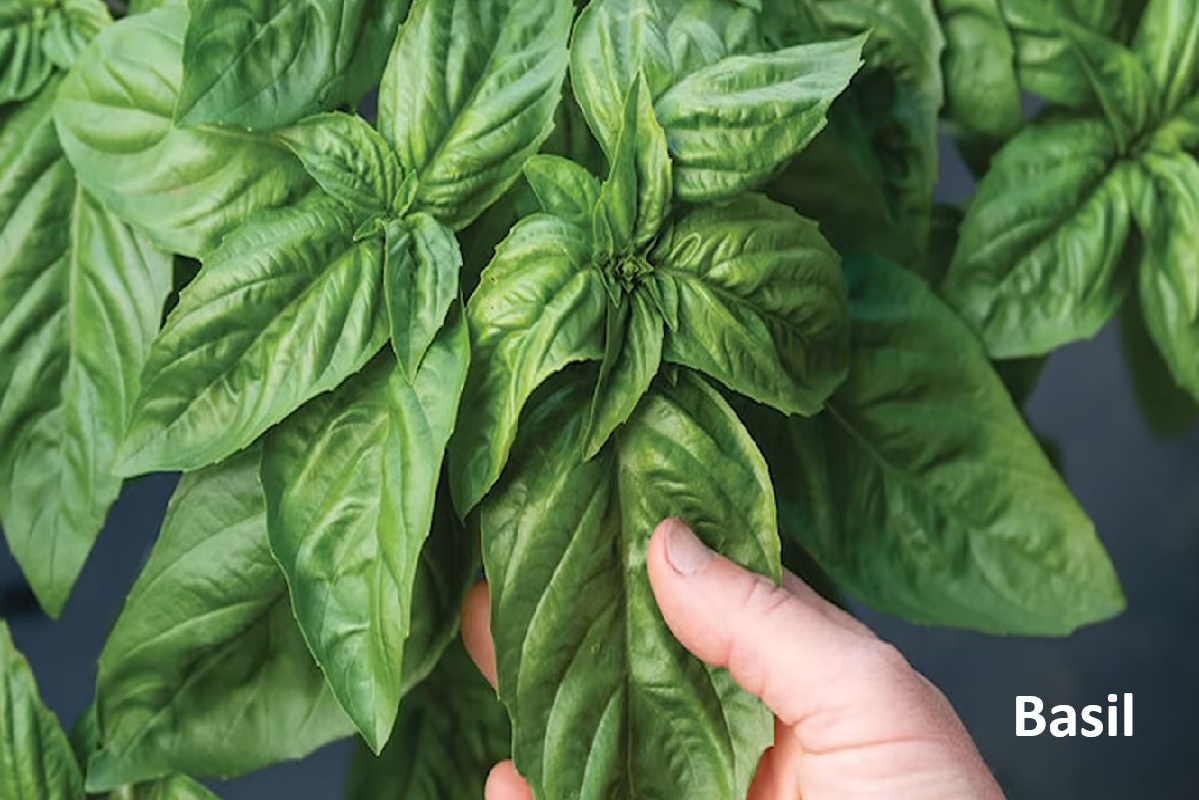
Basil: Antibacterial Compounds and How to Use Fresh Leaves
Basil is best used fresh. Tear or chop the leaves at the last minute to keep the bright flavor. Store the stems in a jar of water on the counter, not in the fridge, where they wilt fast. The compound eugenol in basil has antibacterial activity in lab tests. Add at the end of cooking, not the start.
What basil is
Basil is an annual herb in the mint family, native to tropical Asia and now grown worldwide. The most common variety in Western cooking is sweet basil (also called Genovese basil), with broad green leaves and a sweet, peppery flavor that’s central to Italian cooking.
There are dozens of other varieties: Thai basil (anise-like, more durable for cooking), holy basil (used in Ayurveda, also called tulsi), lemon basil, purple basil, and many more. Each has its own flavor profile and uses.
Sweet basil is what this page focuses on, since it’s the most common.
What the research shows
Basil has had less rigorous human research than the Tier 1 and 2 spices. Most of what we know comes from lab studies and traditional uses with some early human research backing them up.
Antibacterial activity
Basil essential oil has shown antibacterial activity in lab tests against several common bacteria, including E. coli and Staphylococcus aureus. A 2013 review of in vitro studies found basil oil effective against multiple strains relevant to food safety.
The active compounds responsible are mostly eugenol (shared with cloves) and linalool. Whether the antibacterial effects translate from lab to body in any meaningful way at food doses is unclear.
Anti-inflammatory effects
Several lab studies have found basil extracts reduce inflammation markers. Some small human trials have shown similar results, though the evidence is preliminary.
Holy basil (tulsi) specifically
Holy basil is a different plant from sweet basil and has more research behind it. Studies have found tulsi may help with stress, anxiety, and blood sugar control. Some research has found that 300 mg of holy basil leaf extract daily reduces cortisol and self-reported stress.
If you’re interested in basil specifically for health reasons rather than cooking, holy basil (often labeled “tulsi”) is the better-studied option. It’s commonly sold as a tea.
Antioxidant content
Sweet basil is moderate in antioxidants, behind oregano, rosemary, and clove but still meaningful. Fresh basil has more than dried.
How to use it
Basil should usually go in at the end of cooking, not the start. Heat destroys the volatile oils that give basil its bright flavor. The exception is in Thai cooking, where Thai basil (which holds up better to heat) is added partway through.
Some easy uses for sweet basil:
- Torn leaves on top of tomato salad with mozzarella, olive oil, and salt (caprese)
- Whole leaves layered into a Caprese sandwich
- Fresh leaves tossed with pasta and tomato sauce just before serving
- Pesto, which is the standard use: basil leaves blended with pine nuts, garlic, parmesan, olive oil, and salt
- Chopped on top of pizza after it comes out of the oven
- Muddled with strawberries for an unusually good summer dessert
- Stirred into soups (especially tomato) just before serving
- Infused in vinegar or olive oil
Avoid chopping basil too far in advance. The cut edges oxidize and turn brown within hours. Tear at the last minute or use whole leaves.
How much per day
There’s no specific dose for basil. The amount you’d use in cooking, a small handful of leaves per dish, is plenty. For holy basil (tulsi) tea taken for stress effects, 1-2 cups a day is the common amount.
Who should be careful
Sweet basil in food amounts is safe for nearly everyone. A few cautions:
- Basil essential oil is potent and can lower blood sugar and thin the blood. Stick to food amounts unless using under guidance.
- Pregnant women should avoid concentrated basil supplements. Cooking with basil is fine.
- People on blood thinners should be aware basil contains vitamin K; if you’re on warfarin, sudden large changes in basil intake can affect your INR.
- Holy basil specifically can lower blood sugar; people on diabetes medication should mention regular use to their doctor.
Buying and storing
Fresh basil should have firm, dark green leaves without black spots or wilting. The smell when you bruise a leaf should be strong and immediate.
Storage matters with basil because it wilts in the fridge. Treat fresh basil like cut flowers: trim the bottom of the stems, put them in a jar with an inch of water, cover loosely with a plastic bag, and leave on the counter (not in the fridge, where cold makes the leaves go black). It’ll last about a week this way.
Dried basil is OK in a pinch but has much less of the bright flavor that makes basil great. If you’re going to dry your own at the end of the growing season, the better preservation method is to freeze pesto in ice cube trays.
Related spices
Spices that work well alongside this one, or share similar benefits.
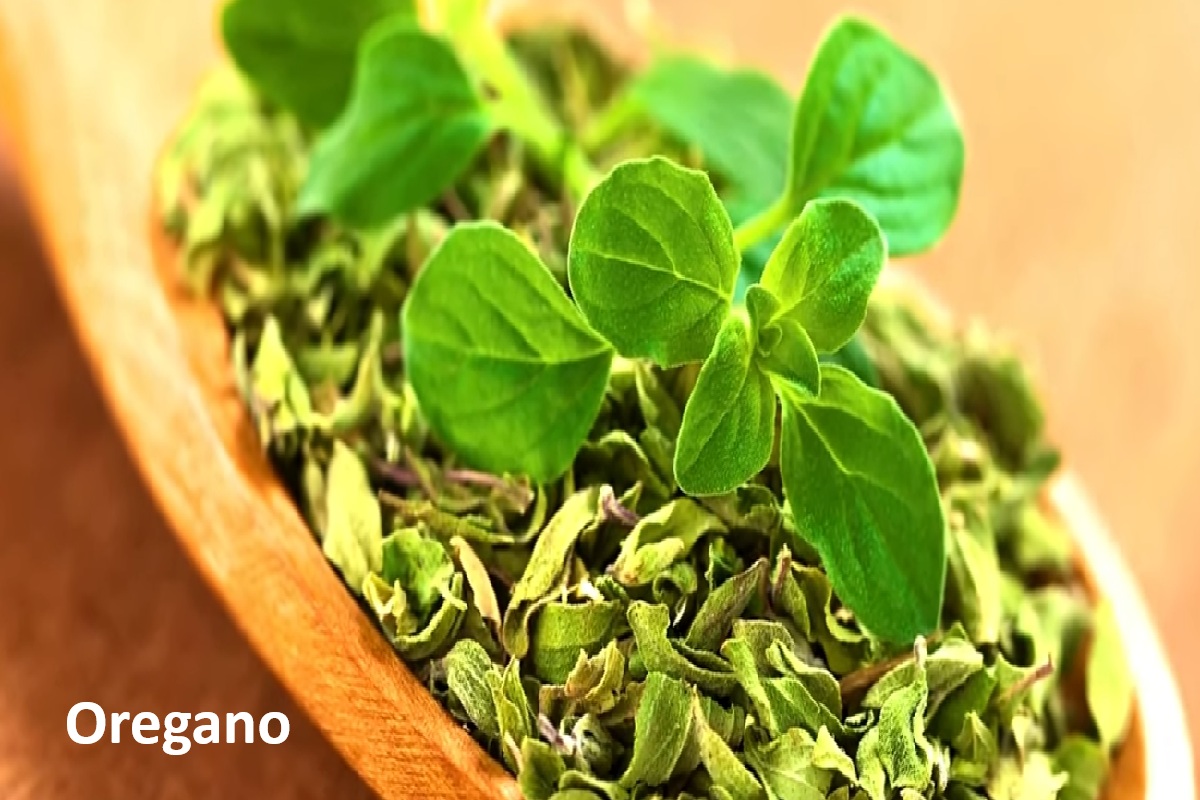
Oregano: Antimicrobial Compounds and Cooking Uses
Use a teaspoon of dried oregano in tomato sauces, pizza, marinades, and roasted vegetables. The compounds carvacrol a...
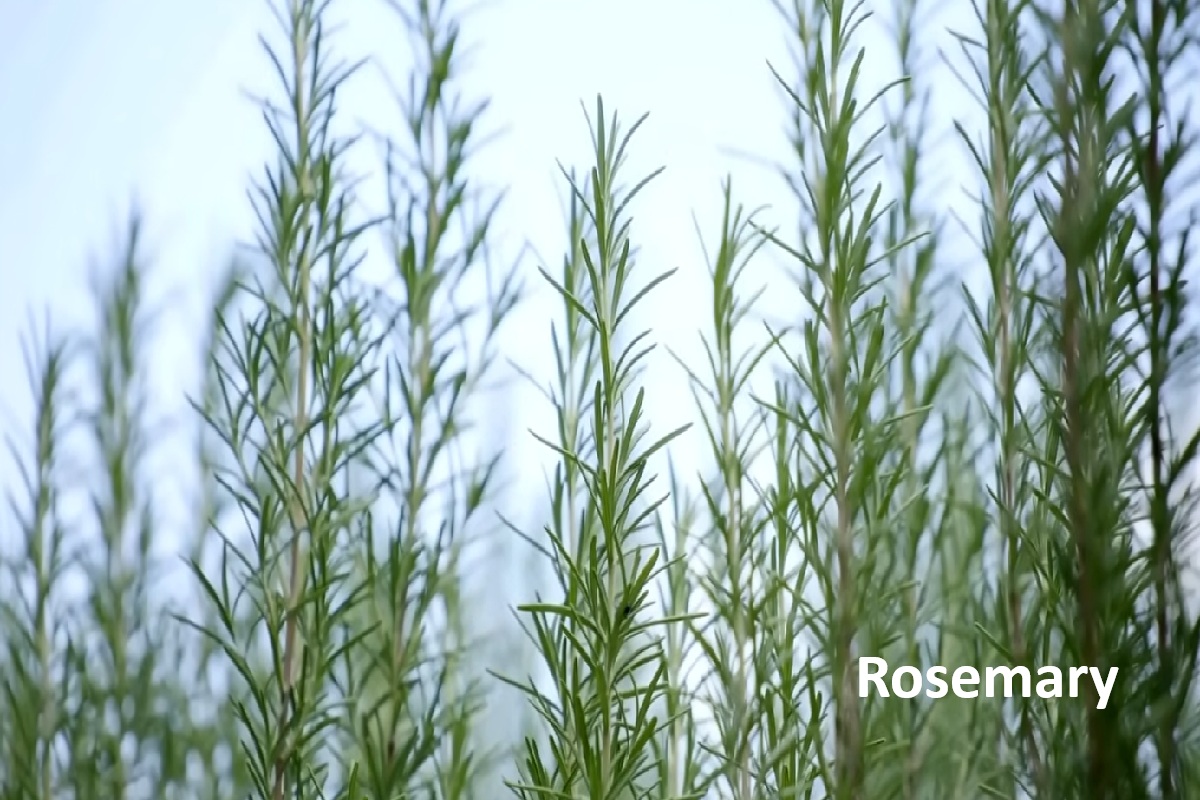
Rosemary: Memory, Antioxidants, and Cooking Uses
Throw a couple of fresh rosemary sprigs into roasted potatoes, chicken, or olive oil for dipping bread. The active co...
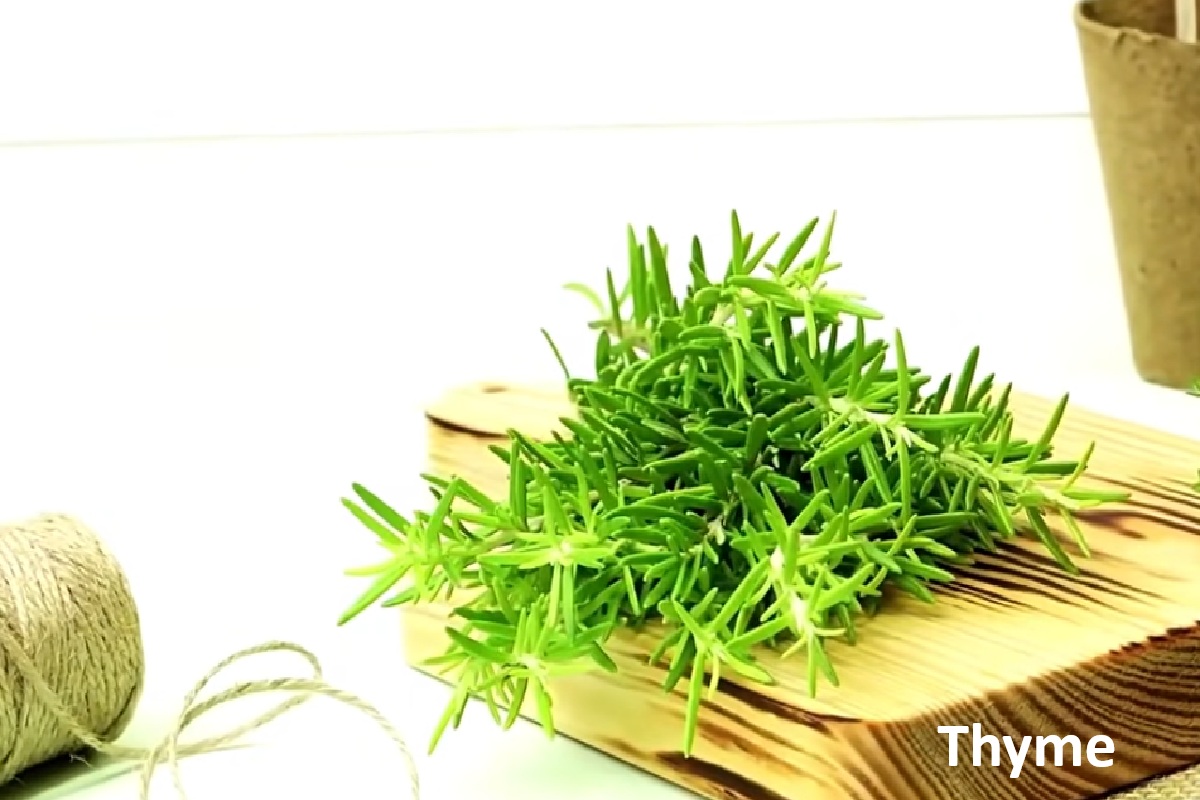
Thyme: Antimicrobial Compound Thymol and Cooking Uses
Use whole thyme sprigs in slow-cooked dishes (the leaves fall off on their own) or strip and chop for quicker uses. T...