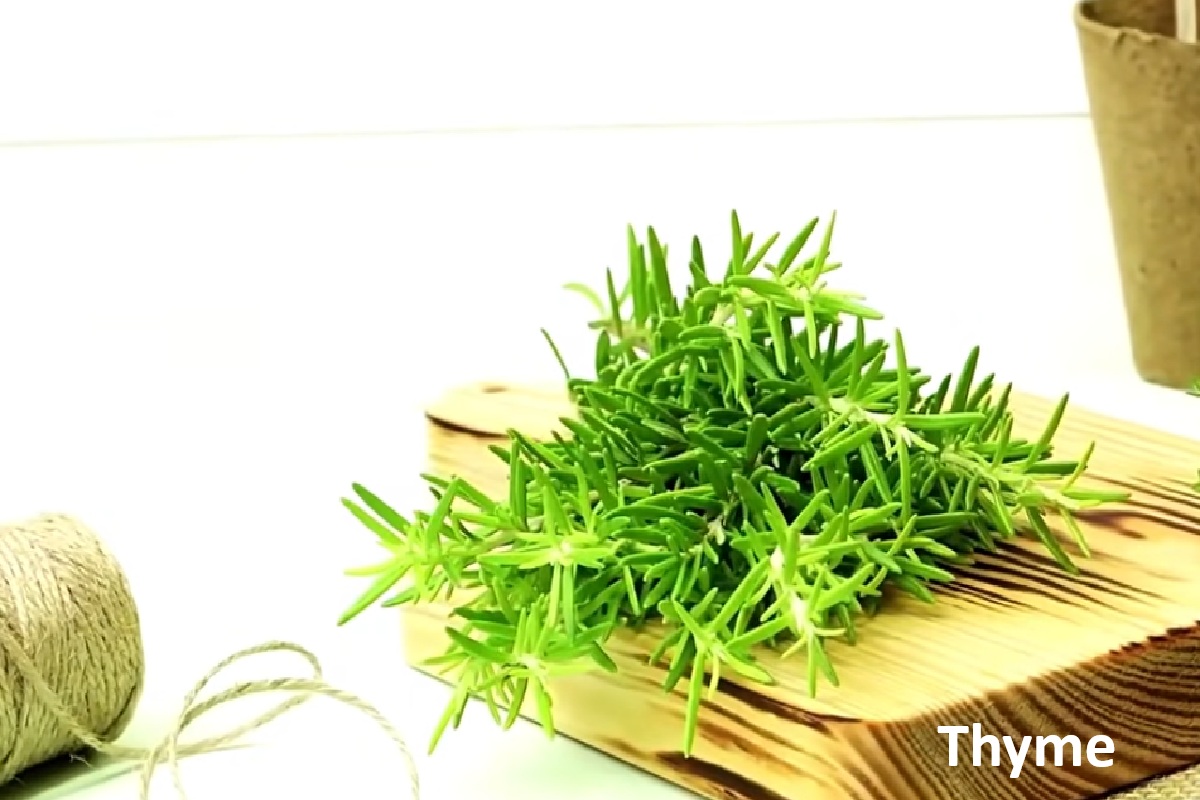
Thyme: Antimicrobial Compound Thymol and Cooking Uses
Use whole thyme sprigs in slow-cooked dishes (the leaves fall off on their own) or strip and chop for quicker uses. The compound thymol in thyme has antimicrobial activity, which is why it's a key ingredient in some commercial mouthwashes. A teaspoon of dried thyme works in soups, stews, marinades, and roasted meat.
What thyme is
Thyme is a small woody herb in the mint family, with tiny leaves on slender stems. Native to the Mediterranean, it’s a backbone herb in French cooking (it’s part of the classic herbes de Provence and bouquet garni) and shows up across Italian, Spanish, Lebanese, and Caribbean cuisines too.
The active compound that gets most of the research attention is thymol. It’s also the source of thyme’s distinctive smell and the reason thymol is used commercially in products like Listerine.
What the research shows
Thyme’s research is closely related to oregano’s because they share several active compounds.
Antimicrobial activity
Thymol has antimicrobial properties in lab tests against a wide range of bacteria, including some drug-resistant strains. A 2011 study published in BMC Complementary and Alternative Medicine found thyme essential oil killed several types of bacteria within an hour at low concentrations.
Thymol is one of the active ingredients in Listerine and several other commercial mouthwashes. The use is well-established and dates back over a century.
Cough and respiratory support
A 2006 trial of a thyme-and-ivy combination cough syrup found it reduced cough frequency and severity in adults with acute bronchitis compared to placebo. Several other smaller trials have found similar effects.
The traditional use of thyme tea for chest congestion has some research support, though the trials are small.
Antioxidant content
Like other Mediterranean herbs, thyme is high in antioxidants. Fresh thyme has more than dried.
Skin conditions
A 2011 trial found a thyme tincture more effective than benzoyl peroxide for acne, with fewer side effects. This was a smaller trial that needs confirmation, but the result was promising.
How to use it
Thyme has the great advantage that it goes with almost anything savory. It’s mild enough to add subtle flavor without taking over. Some easy uses:
- Whole sprigs added to a roasting pan with chicken or vegetables (the leaves fall off as it cooks; pull the bare stems out before serving)
- Leaves stripped from the stem and chopped, then added to scrambled eggs, omelets, or quiche
- A tablespoon of fresh leaves in pan sauces for meat
- In bouquet garni (tied with parsley and bay leaves) for slow-cooked stews
- Sprinkled on top of focaccia or savory tarts before baking
- Steeped as a tea for sore throats
- Added to compound butter with lemon
For dishes that cook for a while (over 20 minutes), use whole sprigs. The leaves release flavor slowly and the stems come out clean. For quicker dishes, strip the leaves first.
How much per day
In cooking, a teaspoon of dried thyme or a tablespoon of fresh per dish is plenty. For thyme tea, a teaspoon of dried thyme steeped in a cup of hot water for 10 minutes makes a good cup; have two or three cups a day if you’re using it for a cough.
Who should be careful
Food amounts of thyme are safe for nearly everyone. Some cautions apply to concentrated forms:
- Thyme essential oil is potent and can irritate skin and mucous membranes. Always dilute before applying topically.
- Pregnant women should avoid concentrated thyme supplements and essential oil. Food amounts are fine.
- Thymol can interact with blood thinners. Talk to a doctor before taking thyme supplements if you’re on warfarin.
- Some people are allergic to plants in the mint family. If you have allergies to oregano or basil, be cautious with thyme.
Buying and storing
Fresh thyme should have small, dense leaves and not be yellowing. Wrapped in damp paper towel, it keeps about two weeks in the fridge.
Dried thyme is one of the few herbs that holds up well after drying. Buy whole-leaf dried thyme rather than ground if you can find it. Stored in a sealed container away from light, dried thyme keeps about a year. As with all dried herbs, the smell is the test: if a pinch crushed between your fingers doesn’t release a strong herbal aroma, it’s time to replace.
Related spices
Spices that work well alongside this one, or share similar benefits.
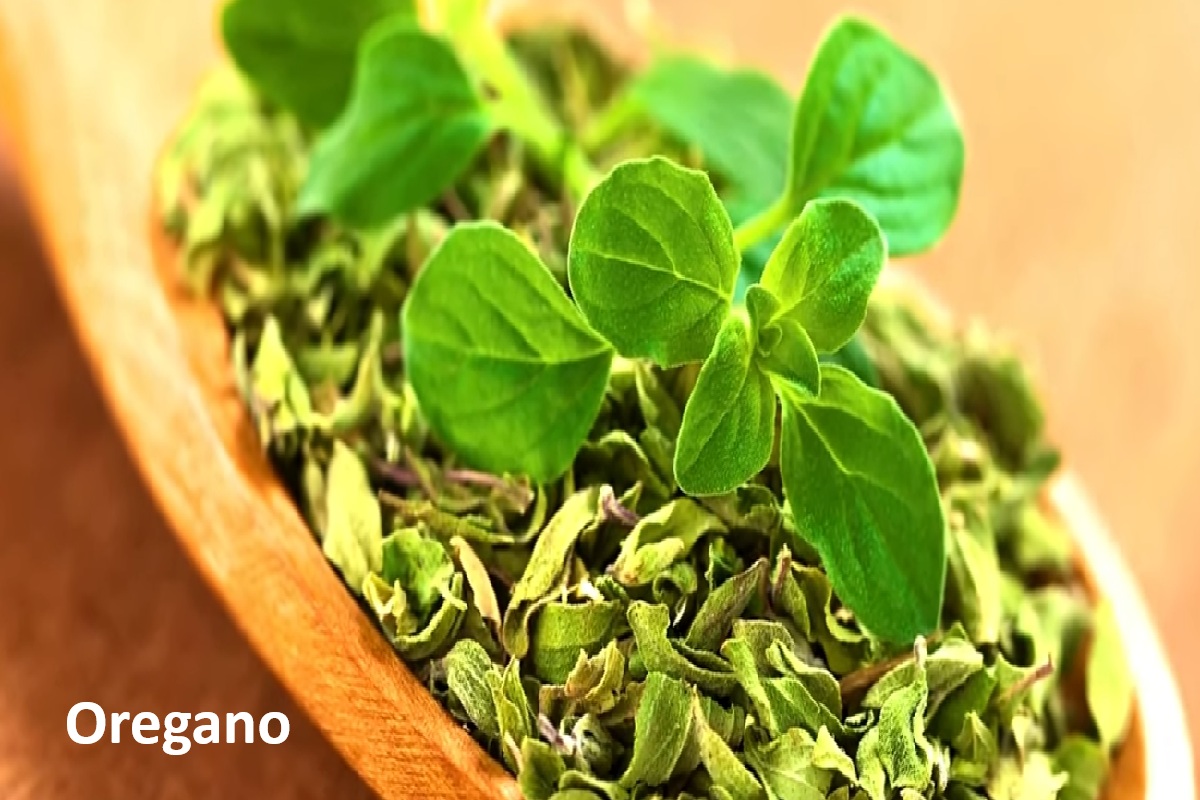
Oregano: Antimicrobial Compounds and Cooking Uses
Use a teaspoon of dried oregano in tomato sauces, pizza, marinades, and roasted vegetables. The compounds carvacrol a...
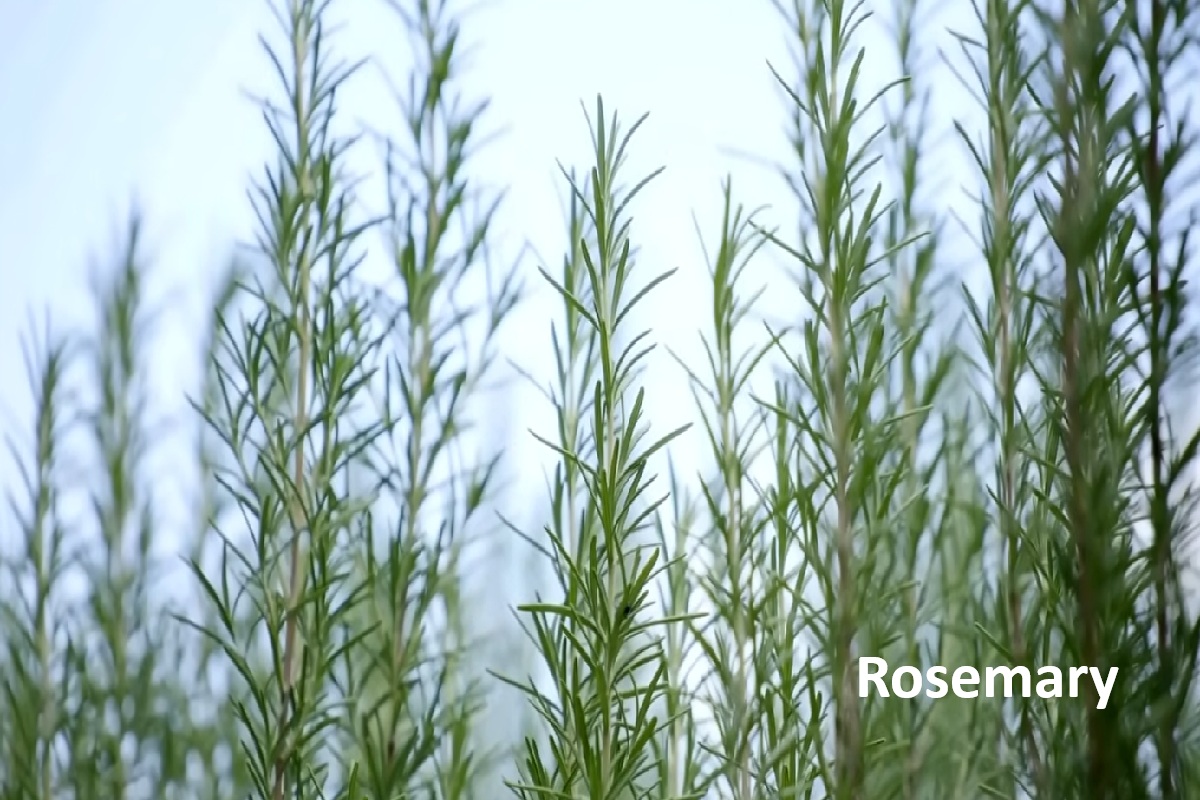
Rosemary: Memory, Antioxidants, and Cooking Uses
Throw a couple of fresh rosemary sprigs into roasted potatoes, chicken, or olive oil for dipping bread. The active co...
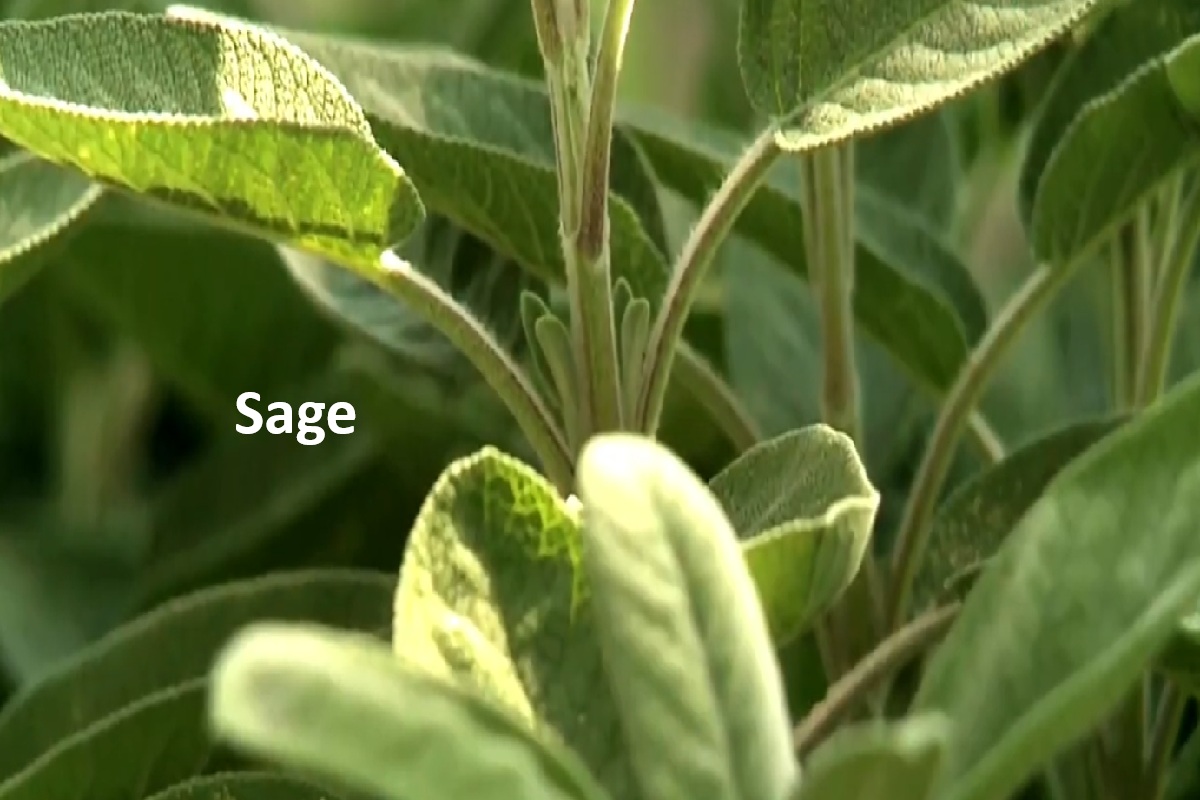
Sage: Cognitive Function and Sore Throat Research
Use whole sage leaves crisped in butter as a finishing touch for pasta, gnocchi, or roasted squash. Sage tea has been...