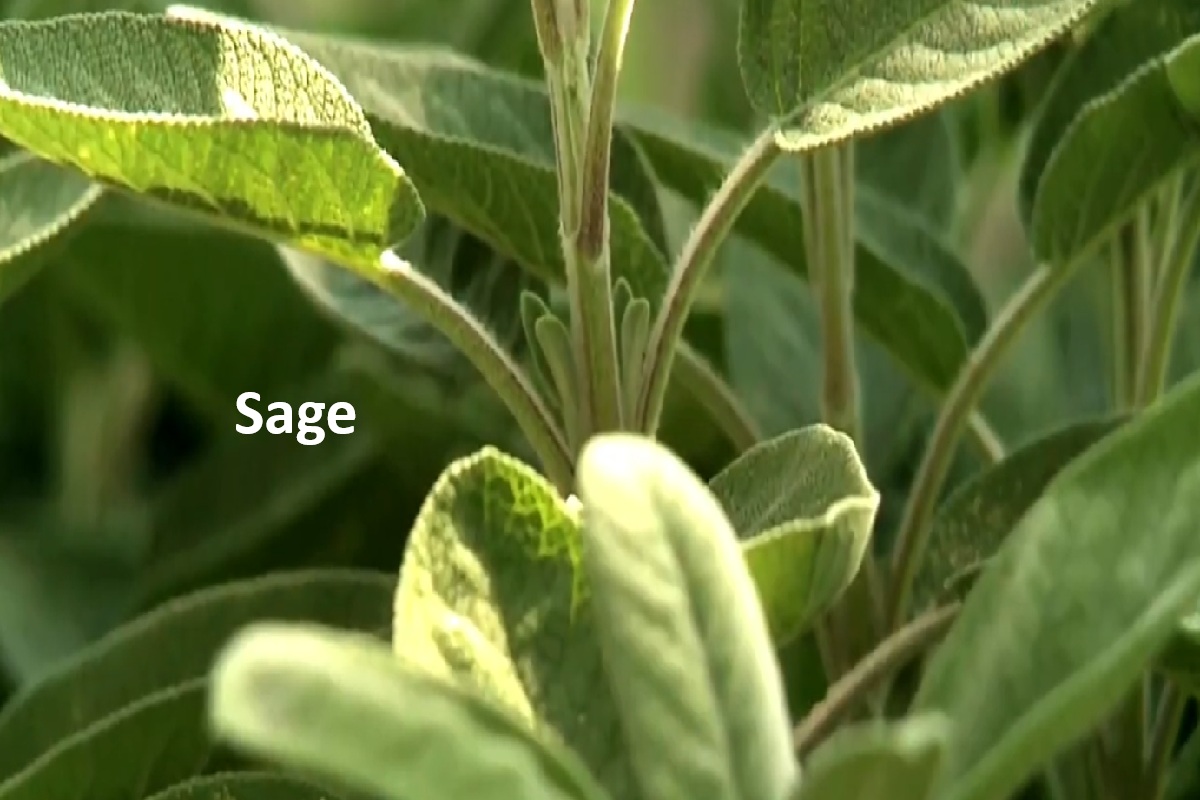
Sage: Cognitive Function and Sore Throat Research
Use whole sage leaves crisped in butter as a finishing touch for pasta, gnocchi, or roasted squash. Sage tea has been shown in small trials to relieve sore throats. Some studies have found short-term memory and attention improvements in older adults from sage extract supplements.
What sage is
Sage is another woody herb in the mint family, native to the Mediterranean. The common cooking variety is Salvia officinalis with grey-green leaves. The name comes from the Latin salvere, meaning “to save,” reflecting sage’s long history as a medicinal herb across European cultures.
Sage contains several active compounds, including rosmarinic acid (shared with rosemary), camphor, and thujone. The thujone content is the reason some safety cautions exist around very high doses.
What the research shows
Sage has been studied more in supplement and extract form than as a culinary herb.
Cognitive function
Several smaller trials have found sage extract improves attention, memory, and processing speed, particularly in older adults.
A 2003 trial published in Pharmacology Biochemistry and Behavior found that healthy young adults given sage essential oil capsules performed better on memory tasks than the placebo group, with effects lasting up to four hours.
A 2011 systematic review of trials found sage extract showed promise for treating mild to moderate Alzheimer’s disease, with effects on cognitive function similar to some prescription drugs. The trials were small but the results were consistent.
Sore throat relief
A 2009 double-blind trial of sage and echinacea throat spray, compared to a chlorhexidine and lidocaine spray, found the sage-echinacea version was equally effective at relieving sore throat pain. A simple gargle of sage tea has been used traditionally for centuries; this research supports the use.
Hot flashes in menopause
A 2011 trial in 71 women found that one tablet of fresh sage leaf extract daily reduced the frequency and intensity of hot flashes by around 50 percent over two months. The trial was open-label (not blinded), so the results need confirmation in larger blinded studies, but the effect was striking.
Antioxidant activity
Sage is high in antioxidant compounds, mostly from rosmarinic acid and carnosic acid. Like rosemary, sage extracts are used commercially as natural food preservatives.
Antimicrobial effects
Sage essential oil has antibacterial activity in lab tests. This is part of the traditional use for sore throats and as a mouth rinse for gum problems.
How to use it
Sage is bold and pairs especially well with rich, fatty foods. Some classic uses:
- Whole sage leaves crisped in butter, drizzled over pasta or gnocchi
- Chopped into stuffing for poultry
- A few leaves on top of pumpkin or butternut squash before roasting
- In compound butter with lemon zest for chicken or fish
- Added to bean and lentil soups for a savory depth
- Sage tea: 1 tablespoon dried sage in a cup of hot water, steep 10 minutes, sweeten with honey if you like
- Fresh sage as a garnish for risottos and white pasta dishes
A note on amount: sage is one of the easier herbs to overdo. A few leaves give the dish character. A whole bunch can take over.
How much per day
In cooking, you’d rarely use more than a few leaves or a teaspoon of dried sage per dish. That’s well within safe amounts for daily use. For supplement-form sage extracts used in cognitive studies, the doses ranged from 50 mg to 300 mg per day.
Who should be careful
Food amounts of sage are safe. A few cautions apply to concentrated forms:
- Sage essential oil and high-dose extracts contain thujone, which can be toxic in large amounts. Stick to food amounts or labeled supplement doses.
- Pregnant and breastfeeding women should avoid sage tea and supplements (though using sage as a seasoning is fine).
- Sage may lower blood sugar; people on diabetes medications should let their doctor know if they take sage supplements.
- Sage may interact with sedative medications.
Buying and storing
Fresh sage is widely available. Look for grey-green leaves without yellowing or wilting. Wrapped in damp paper towel inside a plastic bag, fresh sage keeps about a week in the fridge.
Whole-leaf dried sage is better than rubbed or ground sage, which loses flavor faster. Dried sage keeps about a year in a sealed container away from light. Crush some between your fingers; if it doesn’t smell strongly herbal, it’s time to replace.
Related spices
Spices that work well alongside this one, or share similar benefits.
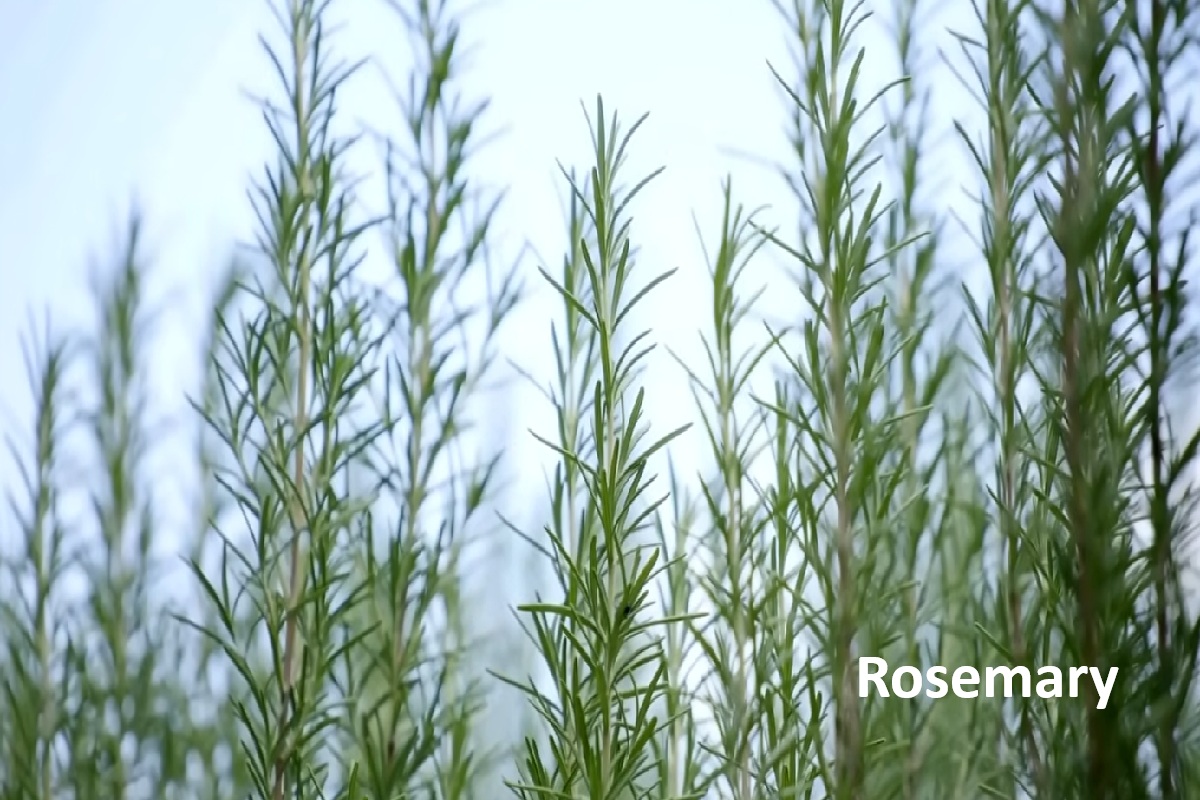
Rosemary: Memory, Antioxidants, and Cooking Uses
Throw a couple of fresh rosemary sprigs into roasted potatoes, chicken, or olive oil for dipping bread. The active co...
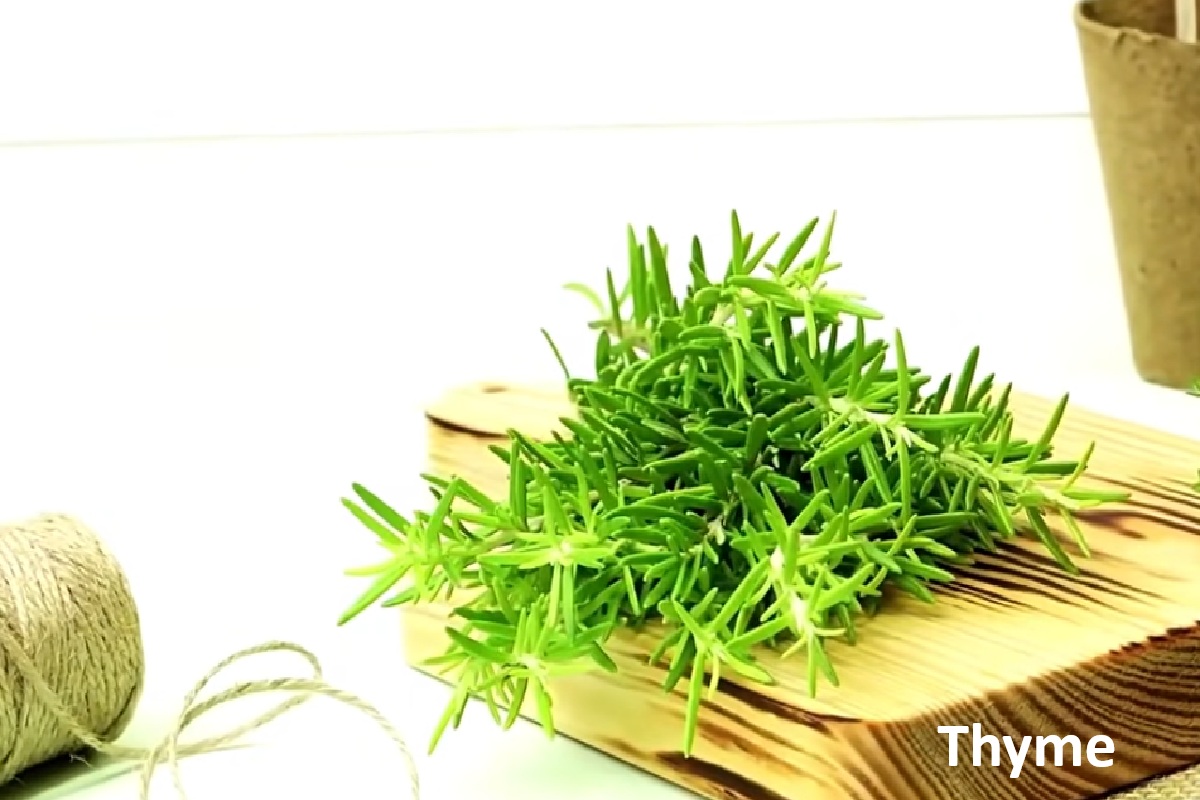
Thyme: Antimicrobial Compound Thymol and Cooking Uses
Use whole thyme sprigs in slow-cooked dishes (the leaves fall off on their own) or strip and chop for quicker uses. T...
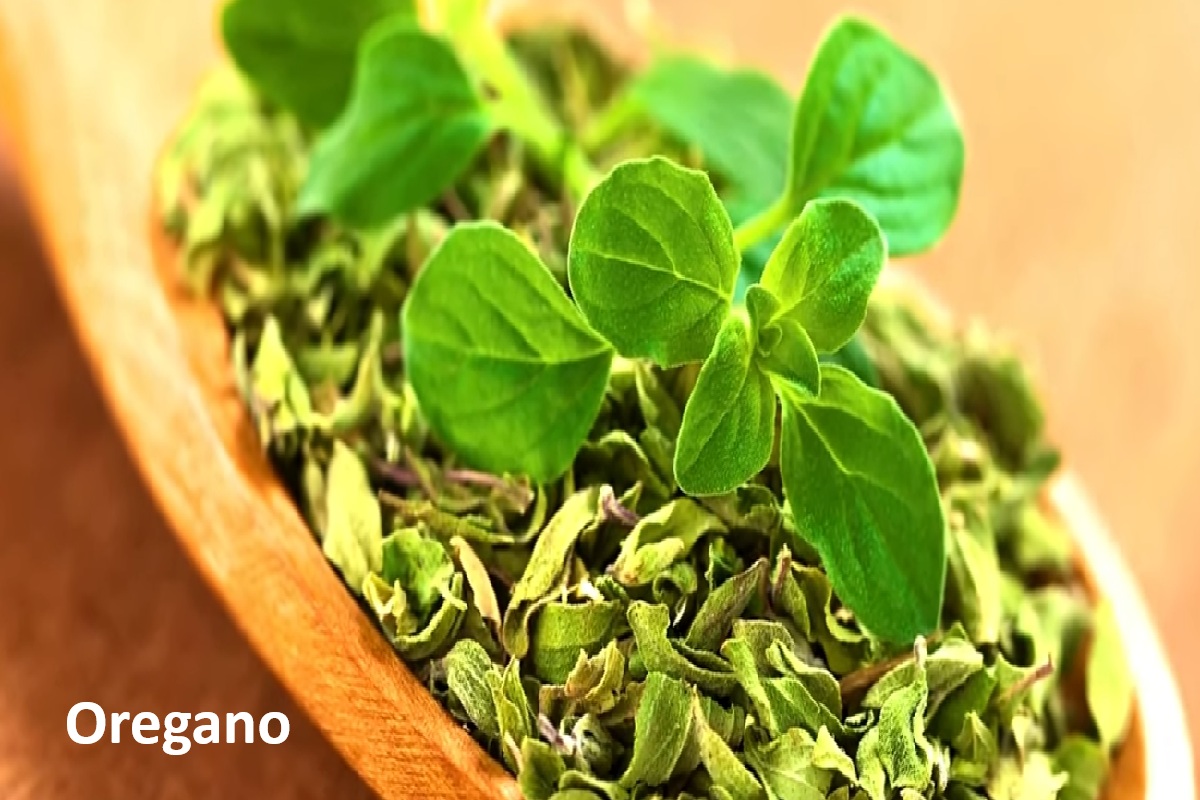
Oregano: Antimicrobial Compounds and Cooking Uses
Use a teaspoon of dried oregano in tomato sauces, pizza, marinades, and roasted vegetables. The compounds carvacrol a...