Fenugreek: Blood Sugar, Breast Milk, and How to Use the Seeds
Soak a teaspoon of fenugreek seeds in water overnight, then add them and the water to curries or stews. Studies have found around 5 grams a day lowers fasting blood sugar in people with type 2 diabetes. Fenugreek is traditionally used to support breast milk supply, with some clinical research backing it up.
What fenugreek is
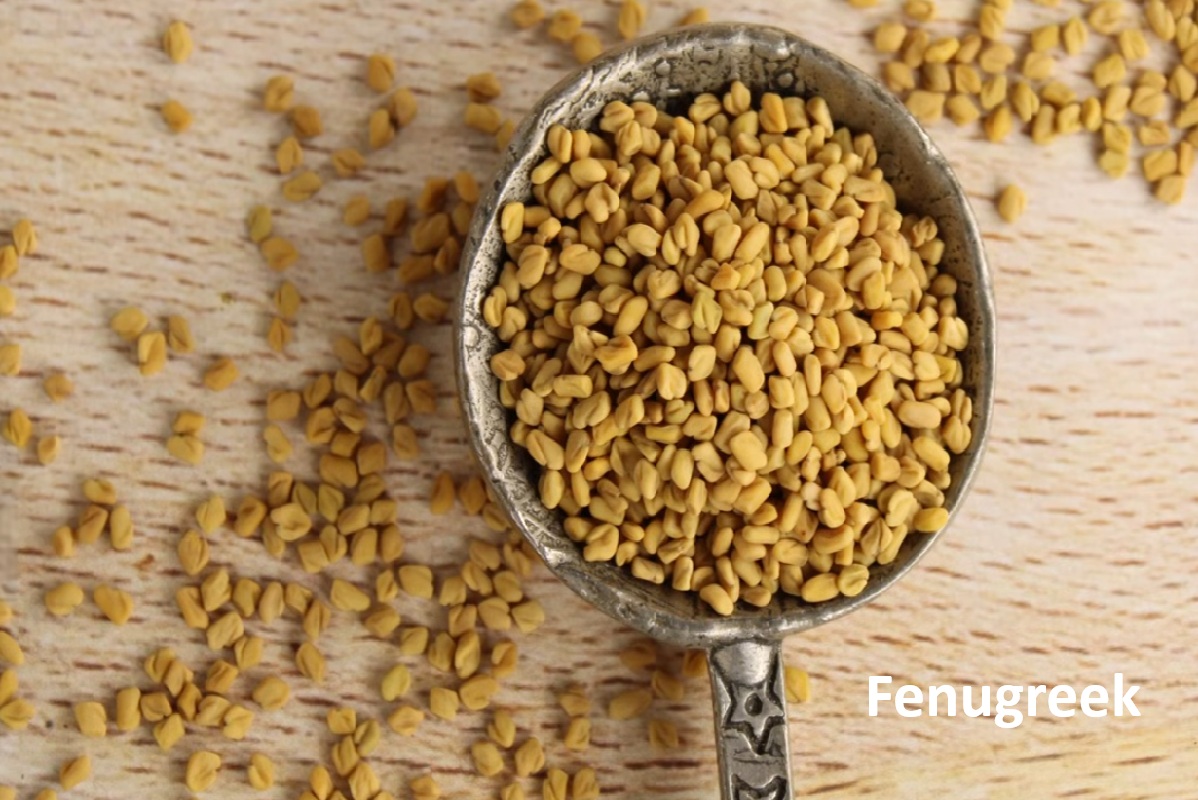
Fenugreek is a legume native to the Mediterranean and western Asia. Both the seeds and the leaves are used in cooking. The seeds are small, hard, and yellow-brown; the leaves are eaten fresh or dried (where they’re called kasoori methi in Indian cooking).
Fenugreek has a distinctive bittersweet flavor that becomes more maple-syrup-like when toasted. In fact, fenugreek is one of the main flavors in artificial maple syrup.
What the research shows
Fenugreek has more clinical research behind it than most Tier 3 spices, mostly around blood sugar and breast milk.
Blood sugar
A 2014 meta-analysis covering 10 randomized trials found that fenugreek seeds lowered fasting blood glucose by an average of 17 mg/dL in people with type 2 diabetes. HbA1c (long-term blood sugar) also dropped. Doses in trials ranged from 5 to 25 grams per day.
The mechanism is interesting: fenugreek contains an amino acid (4-hydroxyisoleucine) that stimulates insulin secretion, plus soluble fiber that slows carbohydrate absorption. Both effects together produce the blood sugar response.
Breast milk production
This is the area where fenugreek has the strongest traditional use, and modern research has investigated it. A 2018 review of 5 trials found that fenugreek meaningfully increased breast milk volume in breastfeeding women compared to placebo or no treatment. The effects were typically seen within a week.
Fenugreek is sometimes given to breastfeeding mothers as a supplement (often as a tea or capsule). It’s worth discussing with your doctor or lactation consultant before starting because there are some interactions to consider.
Cholesterol
A few smaller trials have found fenugreek reduces total cholesterol and triglycerides, though the effect is smaller than the blood sugar effect. A typical trial dose was 25 grams per day, which is a fair amount.
Testosterone
Some trials have found fenugreek extract supplements increase testosterone modestly in men. The evidence is interesting but smaller than the blood sugar research.
How to use it
Fenugreek seeds are hard and bitter raw. There are a few ways to bring out the flavor:
- Soak overnight: 1 teaspoon of seeds in a small bowl of water for 8-10 hours. They soften and become much milder. Add them and the soaking water to dal, curry, or stew.
- Toast then grind: 30 seconds in a dry pan, then grind. This works for spice blends.
- Sprout: a few days of rinsing yields edible sprouts with the bitterness reduced.
Some uses for ground or whole fenugreek:
- A teaspoon in lentil dal, especially with cumin and turmeric
- In Indian curries and spice blends (it’s part of many garam masalas)
- Crushed dried fenugreek leaves (kasoori methi) sprinkled at the end of cooking on butter chicken or saag dishes
- In bread, especially flatbreads
- A teaspoon in pickling brines
- Steeped as tea (boil seeds for 5 minutes; add honey to balance bitterness)
The bitterness mellows considerably with toasting or long cooking. Untoasted seeds added at the start of cooking soften and integrate well.
How much per day
In cooking, a teaspoon of seeds in one dish is normal. For the blood sugar effects in studies, doses were higher: 5-25 grams per day, often as a supplement or as soaked seeds eaten daily. For breastfeeding support, typical supplement doses are 3-6 grams per day.
Who should be careful
Fenugreek has more interactions than most spices, so it’s worth being aware:
- People taking diabetes medication should let their doctor know if they’re using fenugreek regularly; the combined blood-sugar-lowering effect can be too much.
- Fenugreek can affect blood clotting. If you take blood thinners, stick to food amounts.
- Pregnancy: fenugreek can stimulate uterine contractions and should be avoided during pregnancy except in normal food amounts (a teaspoon in a curry is fine).
- Some people are allergic to fenugreek, especially if they’re allergic to peanuts or chickpeas (all in the legume family).
- Fenugreek can cause body odor and urine to smell like maple syrup. This is harmless but can be surprising the first time it happens.
Buying and storing
Whole fenugreek seeds are easy to find in Indian grocery stores and many supermarkets in the international aisle. They should be hard, yellow-brown, with a slight smell when sniffed up close. Whole seeds keep for several years in a sealed container.
Dried fenugreek leaves (kasoori methi) are sold in plastic pouches in Indian grocery stores. Once opened, they keep for about a year in a sealed container. The smell when you crush a pinch should be distinctive and herbal.
Related spices
Spices that work well alongside this one, or share similar benefits.
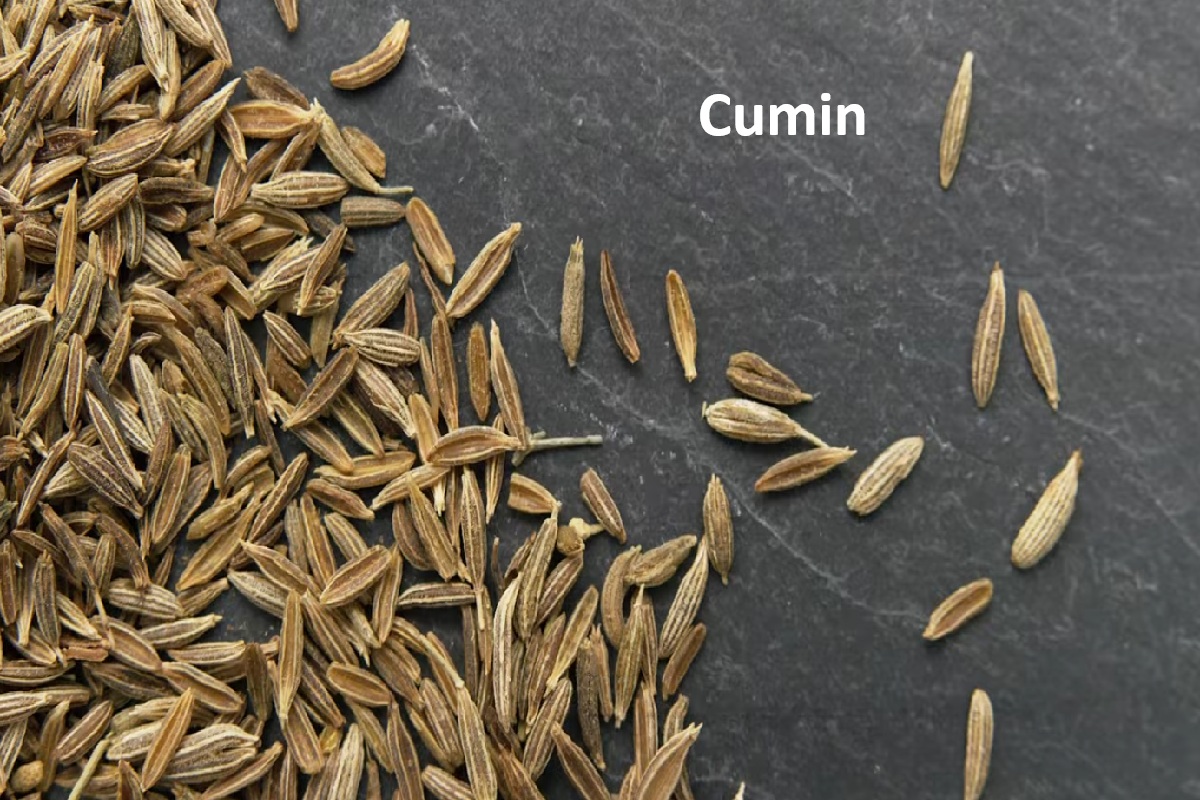
Cumin: Digestion, Iron, and How to Toast Seeds
Toast whole cumin seeds in a dry pan for 30 seconds before adding to dishes; this releases the oils and the flavor ju...
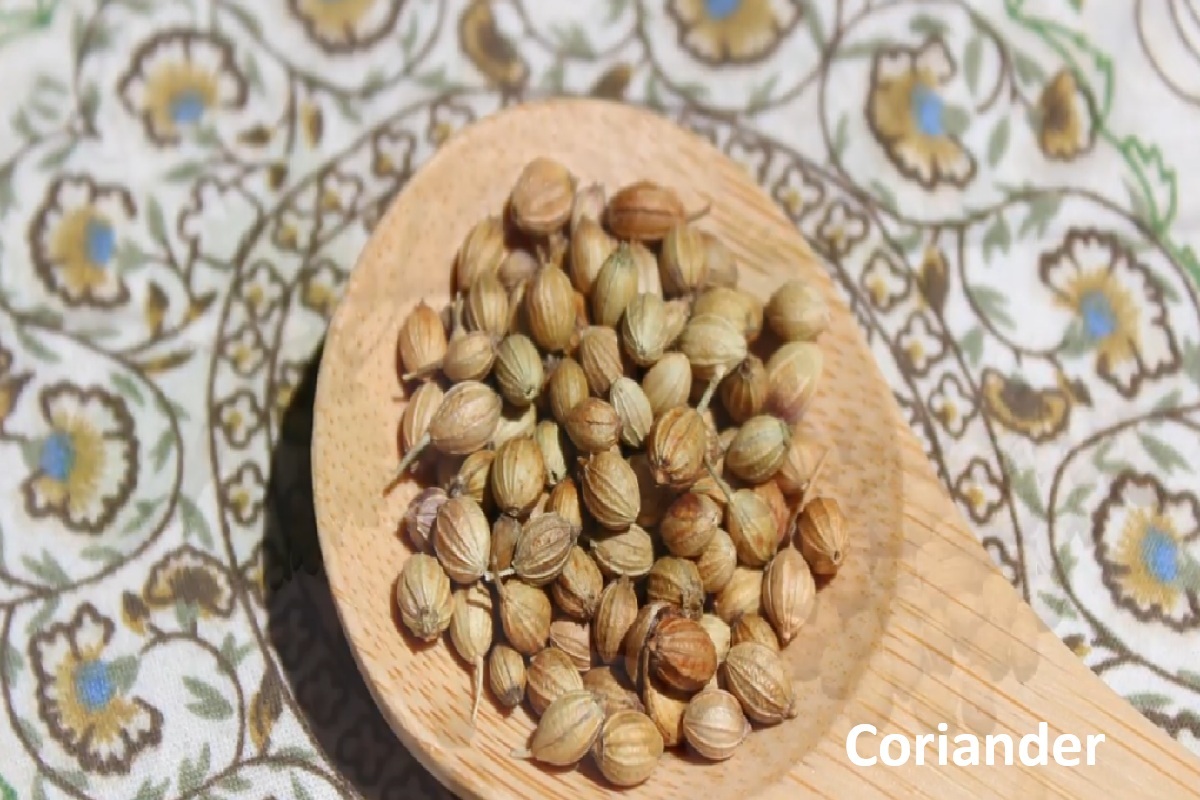
Coriander: Seeds vs Cilantro, Antioxidants, and How to Use Them
Toast whole coriander seeds in a dry pan for 30 seconds, then grind them right before using. The flavor changes compl...
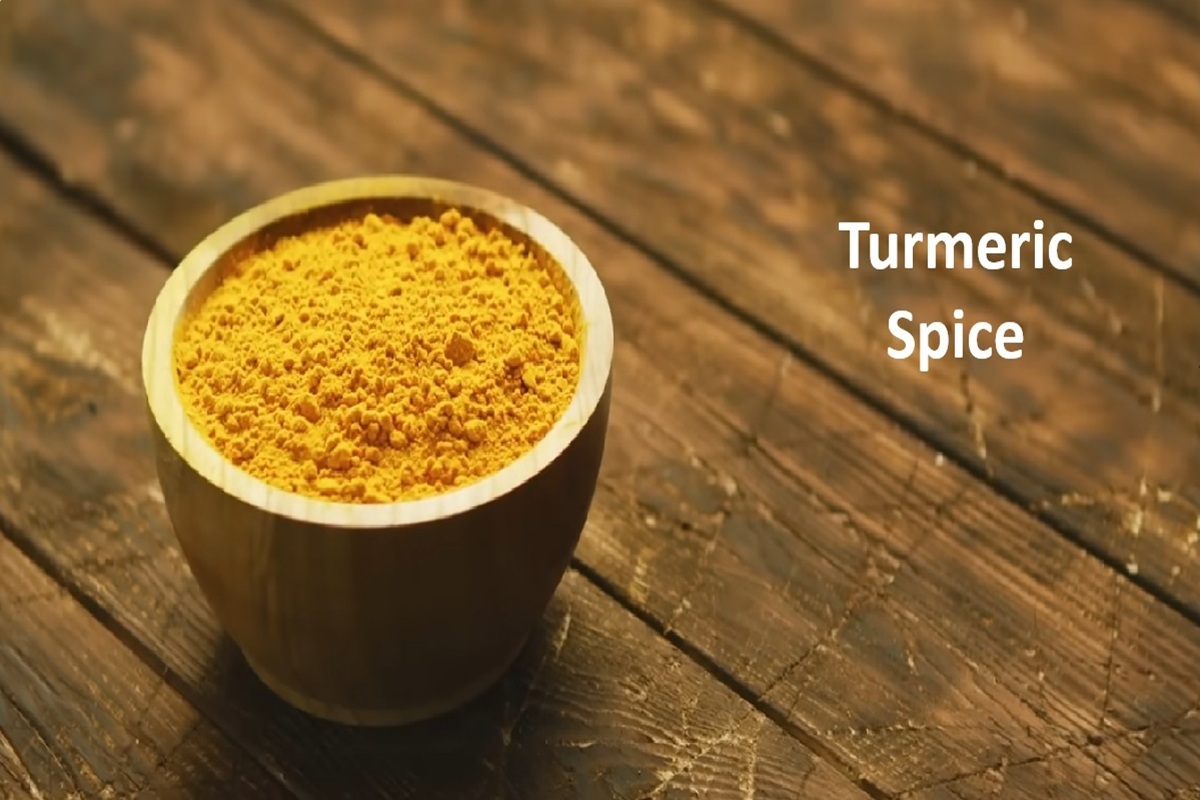
Turmeric: Benefits, Uses, and What the Research Says
Take half a teaspoon of turmeric a day with a crack of black pepper and a bit of fat like olive oil or coconut milk. ...