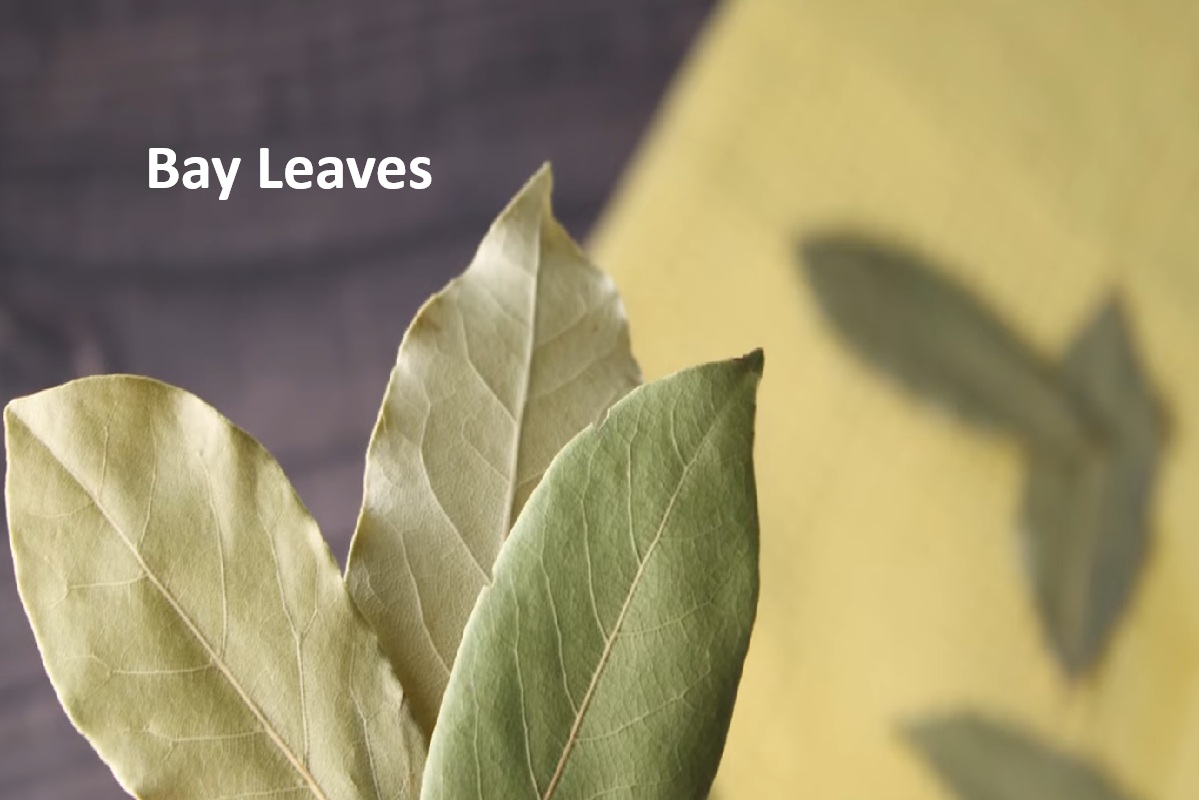
Bay Leaves: Slow-Cooked Flavor, Eugenol, and How to Use Them
Add 1 or 2 dried bay leaves to slow-cooked soups, stews, beans, and braises at the start. They infuse subtle flavor over an hour or more. Remove before serving (don't eat whole; the leaves can be sharp). The active compounds include eugenol and cineole, which have antimicrobial and digestive-aid traditional uses.
What bay leaves are
Bay leaves come from the bay laurel tree, a Mediterranean evergreen. The same plant the ancient Greeks used to crown their victors. The leaves are leathery, elongated, and aromatic.
There are also varieties called “California bay” and “Indian bay leaf” (tej patta), which are different species with different flavors. Most cooking uses the Mediterranean variety (sometimes called Turkish bay or sweet bay).
Bay leaves are almost always used dried in cooking, even though they can be used fresh. Drying mellows some of the bitterness.
What the research shows
Bay leaves have less rigorous research than most spices on this list. Their use is more about flavor than direct health benefits, but a few areas are worth mentioning.
Antibacterial activity
Bay leaf essential oil has antibacterial activity in lab tests against several common bacteria, including E. coli and Staphylococcus aureus. The active compounds responsible include eugenol (shared with cloves) and cineole (shared with cardamom).
Blood sugar
A 2009 trial of 40 people with type 2 diabetes found that 1-3 grams of bay leaves per day for 30 days improved several markers, including fasting blood sugar, cholesterol, and triglycerides. The trial was small and uncontrolled but the consistency of improvements was interesting. The amounts used were higher than typical cooking (3 grams of dried bay is roughly 5-6 leaves; ground).
Digestion
Bay leaves have a long traditional use for digestive complaints, including bloating and indigestion. The research backing this up is mostly preclinical, but the tradition is widespread across Mediterranean cultures.
Antioxidant content
Bay leaves are moderately antioxidant-rich, similar to oregano and thyme. Most of this contribution to the diet comes from cooking large batches of soups and stews; a single leaf in a soup doesn’t deliver a huge dose, but it’s a small additive contribution.
How to use them
Bay leaves are subtle. They work best in long-cooked dishes where they have time to infuse. Some uses:
- 1-2 leaves added to a pot of beans or lentils at the start of cooking
- In bolognese and other long-simmered tomato sauces
- A leaf or two in a chicken broth or stock
- In braises and pot roasts
- A leaf in basmati rice as it cooks
- In bouquet garni (tied with parsley and thyme) for stews
- In bechamel sauce, gently infused
- A leaf in pickling brine for cucumber, beet, or carrot
The rule of thumb: 1 leaf for a quick dish (under 30 minutes), 2 leaves for longer cooking. Avoid using more; bay can become bitter and medicinal-tasting when over-applied.
Always remove bay leaves before serving. They don’t soften in cooking and the sharp edges can hurt going down.
How much per day
In cooking, 1-2 leaves per dish is plenty. For the metabolic effects seen in studies, the doses were 1-3 grams of ground bay leaf per day, which is a more concentrated use than typical cooking. If you’re interested in bay specifically for blood sugar, talk to your doctor.
Who should be careful
Bay leaves are safe for nearly everyone in normal cooking amounts. A few minor cautions:
- Bay leaves in concentrated supplement form may slow blood clotting; food amounts are fine.
- Pregnant women can use bay leaves in cooking without concern, but should avoid concentrated supplements.
- The unsoftened leaves are a choking and irritation hazard. Always remove before serving.
Buying and storing
Dried bay leaves should be deep green-grey, leathery, and aromatic when you crush a small piece. Old bay leaves go brown and have almost no smell.
Bay leaves keep for about a year stored in a sealed container away from light. If you have access to a bay laurel tree (they grow well in mild climates), fresh leaves can be picked and dried at home.
Mediterranean bay is the standard cooking variety. If a recipe specifies “California bay,” “Indian bay leaf” (tej patta), or “Indonesian bay” (daun salam), these are different plants with notably different flavors and shouldn’t be substituted directly.
Related spices
Spices that work well alongside this one, or share similar benefits.
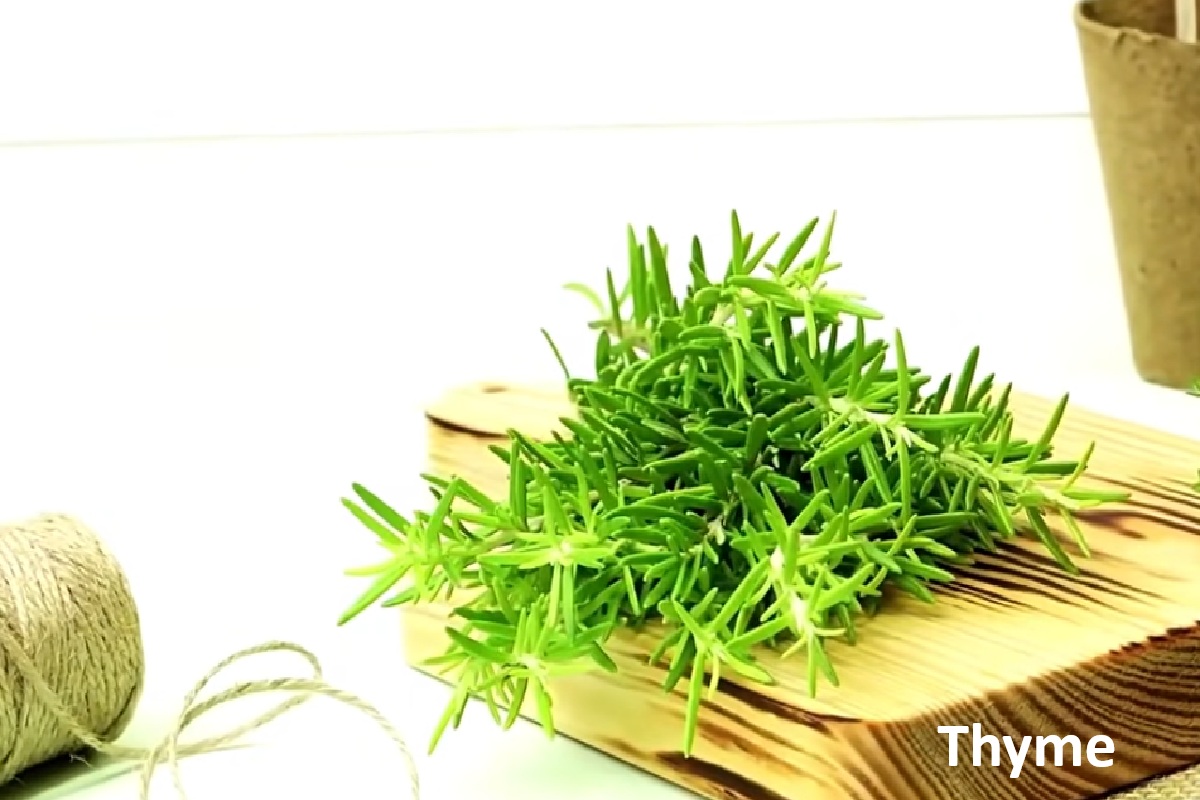
Thyme: Antimicrobial Compound Thymol and Cooking Uses
Use whole thyme sprigs in slow-cooked dishes (the leaves fall off on their own) or strip and chop for quicker uses. T...
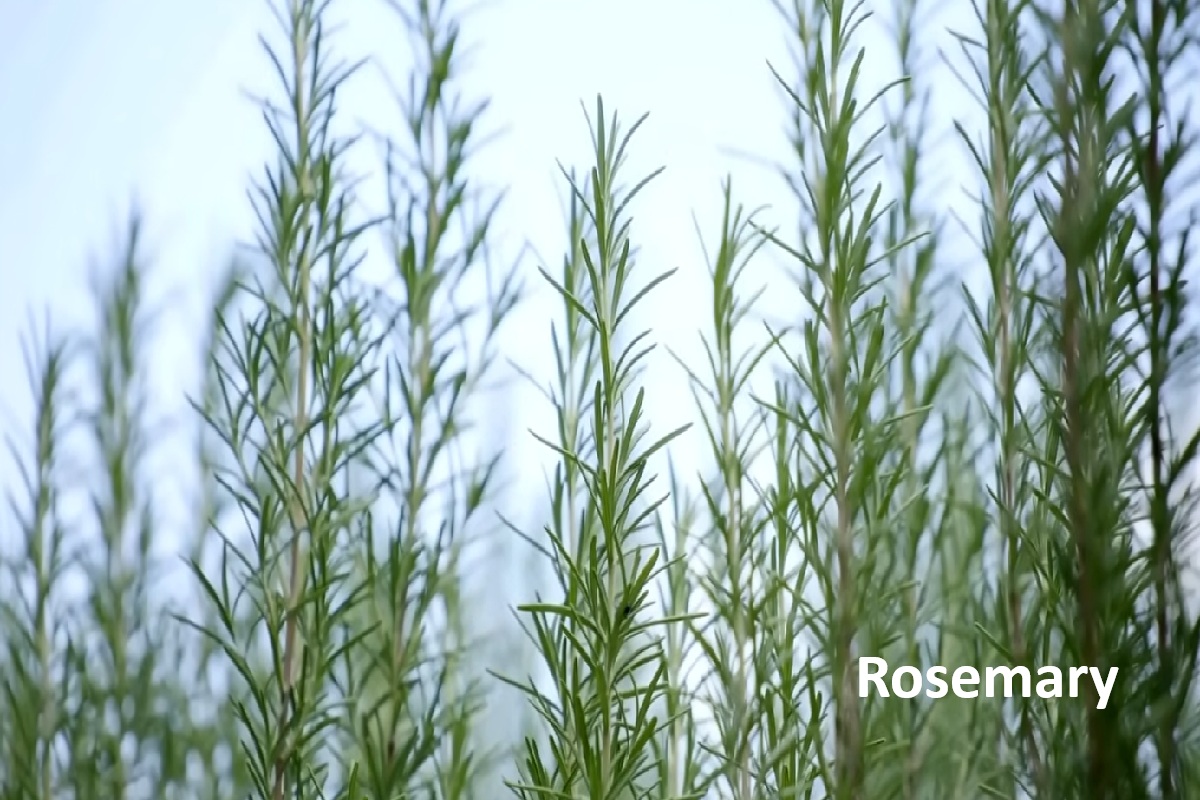
Rosemary: Memory, Antioxidants, and Cooking Uses
Throw a couple of fresh rosemary sprigs into roasted potatoes, chicken, or olive oil for dipping bread. The active co...
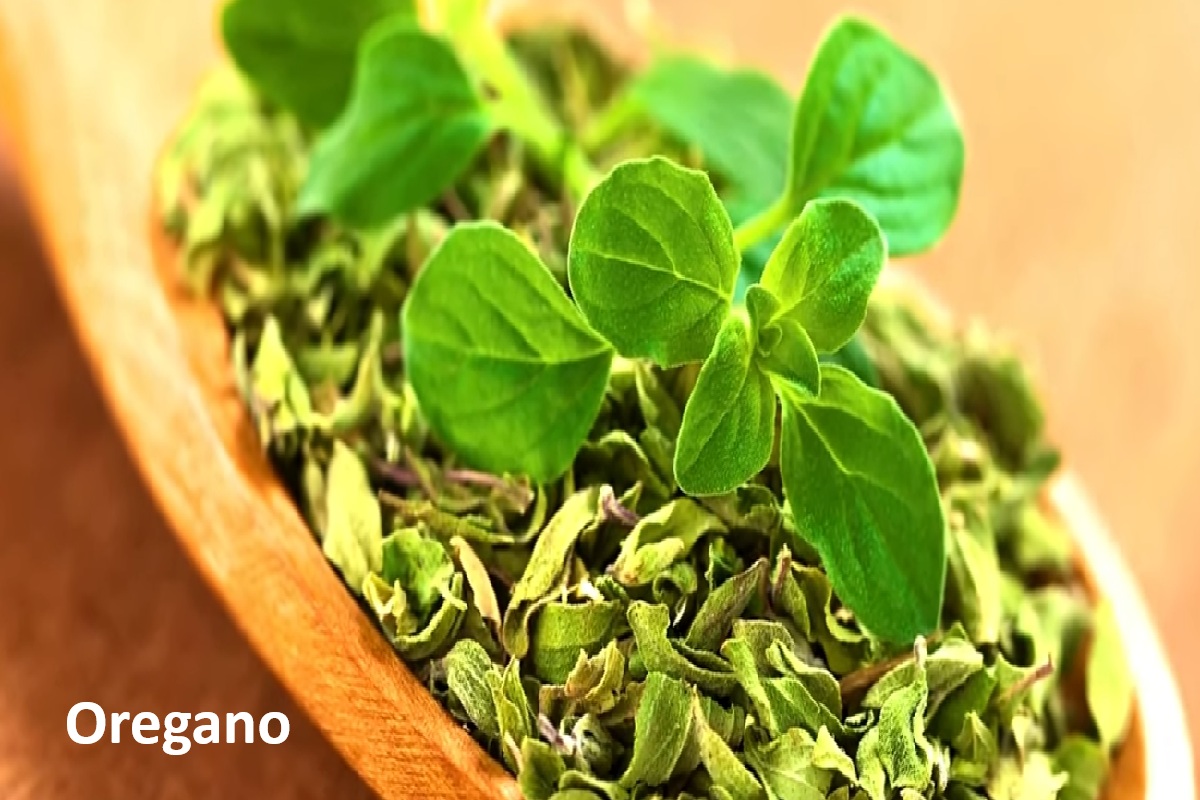
Oregano: Antimicrobial Compounds and Cooking Uses
Use a teaspoon of dried oregano in tomato sauces, pizza, marinades, and roasted vegetables. The compounds carvacrol a...