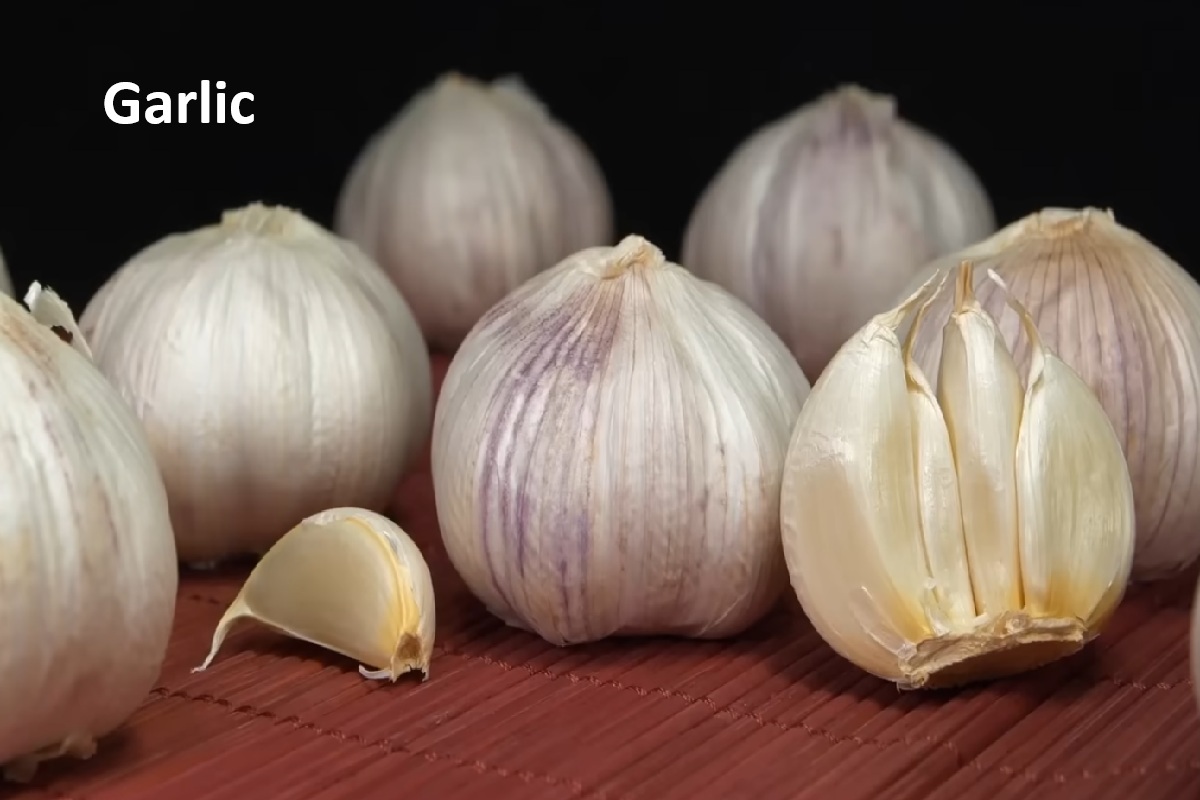
Garlic: Heart Health, Cholesterol, and How to Use It
Crush or finely chop one to two cloves of garlic, then let it sit for ten minutes before cooking. That wait lets allicin form, which is the compound that lowers LDL cholesterol and blood pressure in studies. Adding it raw to dressings or hummus preserves more of the active compound.
What garlic is
Garlic is a bulb in the same family as onions, leeks, and chives. It is one of the most-used flavorings in the world and one of the most-studied. Allicin, its main active compound, only forms after a clove is crushed or chopped. That detail matters for both flavor and benefits.
What the research shows
Most of the strong evidence for garlic centers on the heart.
Blood pressure
A 2020 meta-analysis covering 12 trials found that garlic supplements lowered systolic blood pressure by an average of about 8 mmHg and diastolic by about 5 mmHg in people with high blood pressure. That is a clinically meaningful drop, similar to what some blood pressure medications produce.
The doses in studies are usually equivalent to about 1 to 2 cloves of fresh garlic per day, taken as an aged garlic extract supplement.
Cholesterol
A 2018 review of 14 trials found garlic supplements lowered total cholesterol by an average of 17 mg/dL and LDL cholesterol by 9 mg/dL after at least two months of use. Modest changes, but the effect was consistent.
Immune function
A few smaller trials have looked at garlic for preventing the common cold. The results have been mixed but generally positive, with one frequently-cited study finding garlic supplement users had fewer colds and recovered faster. The evidence here is thinner than for blood pressure and cholesterol.
Cardiovascular events
Long-term observational studies have found that people who eat more garlic have somewhat lower rates of heart attack and stroke. Observational studies cannot prove cause and effect, but the relationship lines up with what we know about garlic’s effects on blood pressure and cholesterol.
The chop-and-wait trick
Allicin, the main beneficial compound in garlic, does not exist in an intact clove. It only forms when you crush, chop, or grate the clove and the cells break open. An enzyme called alliinase converts a precursor compound into allicin in about 10 minutes.
Cooking immediately kills the alliinase enzyme and you lose most of the allicin. The fix is simple:
- Crush or finely chop your garlic
- Walk away for 10 minutes
- Then add it to the pan or use it raw
The 10-minute wait gives the enzyme time to do its work, and the allicin that forms is stable enough to survive moderate cooking.
How to use it
Garlic works in nearly any savory dish. A few ways to get a regular dose:
- Two cloves, chopped and rested, then added to olive oil for sauteed vegetables
- Raw garlic minced into salad dressings and hummus (preserves the most allicin)
- Whole heads roasted in the oven with olive oil, then squeezed onto bread or stirred into mashed potatoes
- A clove crushed into yogurt with cucumber, salt, and dill for tzatziki
- Black garlic, which is fermented garlic with a sweet, molasses-like flavor and softer impact on the breath
How much per day
One to two cloves of fresh garlic per day is the amount used in most studies for cardiovascular benefits. More is fine for cooking. Less is also fine. If raw garlic upsets your stomach, cooking it solves the problem but reduces the active compound somewhat. A balance of both ways through the week works well.
Who should be careful
Garlic is safe for most people in food amounts. A few notes:
- Garlic thins the blood. If you take warfarin, aspirin, or other blood thinners, talk to your doctor before using supplement-level amounts
- Stop garlic supplements at least one week before any planned surgery
- Some people get heartburn or stomach upset from raw garlic on an empty stomach
- Garlic supplements can sometimes interfere with HIV medications
Buying and storing
Pick bulbs that feel firm and heavy. Avoid any with green sprouts coming out of the top, which means it is past its peak (the sprouts are edible but the clove flavor turns bitter). Store unpeeled at room temperature in a dry, ventilated container, not the fridge. Whole bulbs keep for a couple of months. Peeled cloves keep about a week in the fridge.
Related spices
Spices that work well alongside this one, or share similar benefits.
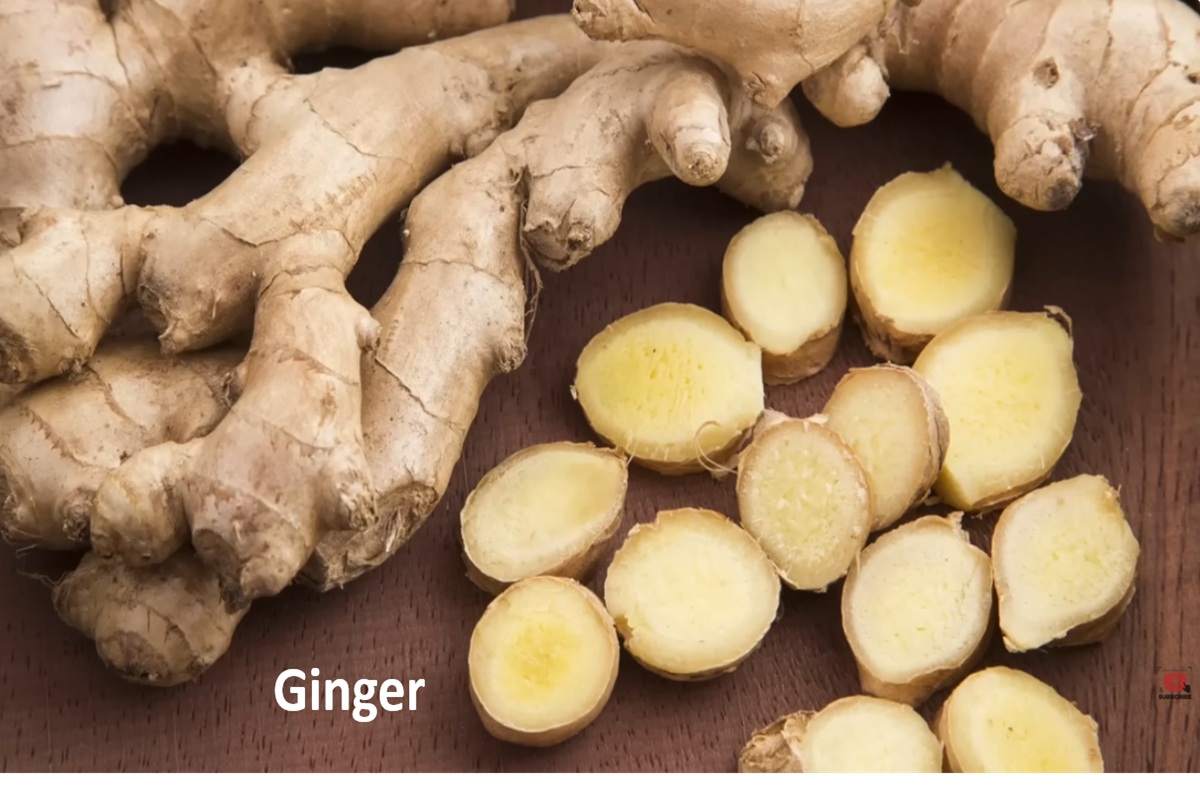
Ginger: Benefits for Nausea, Inflammation, and Cooking
For nausea, chew on a one-inch piece of fresh ginger, or drink ginger tea with a slice steeped in hot water. About on...
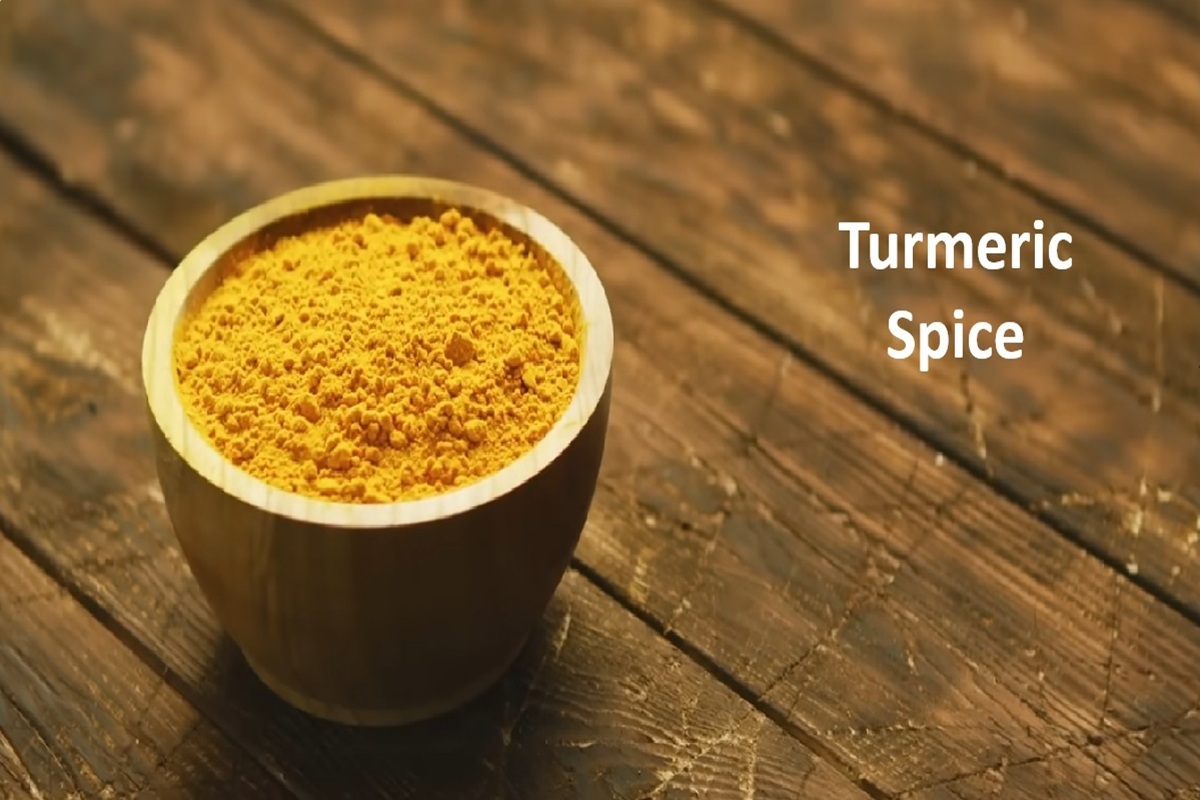
Turmeric: Benefits, Uses, and What the Research Says
Take half a teaspoon of turmeric a day with a crack of black pepper and a bit of fat like olive oil or coconut milk. ...
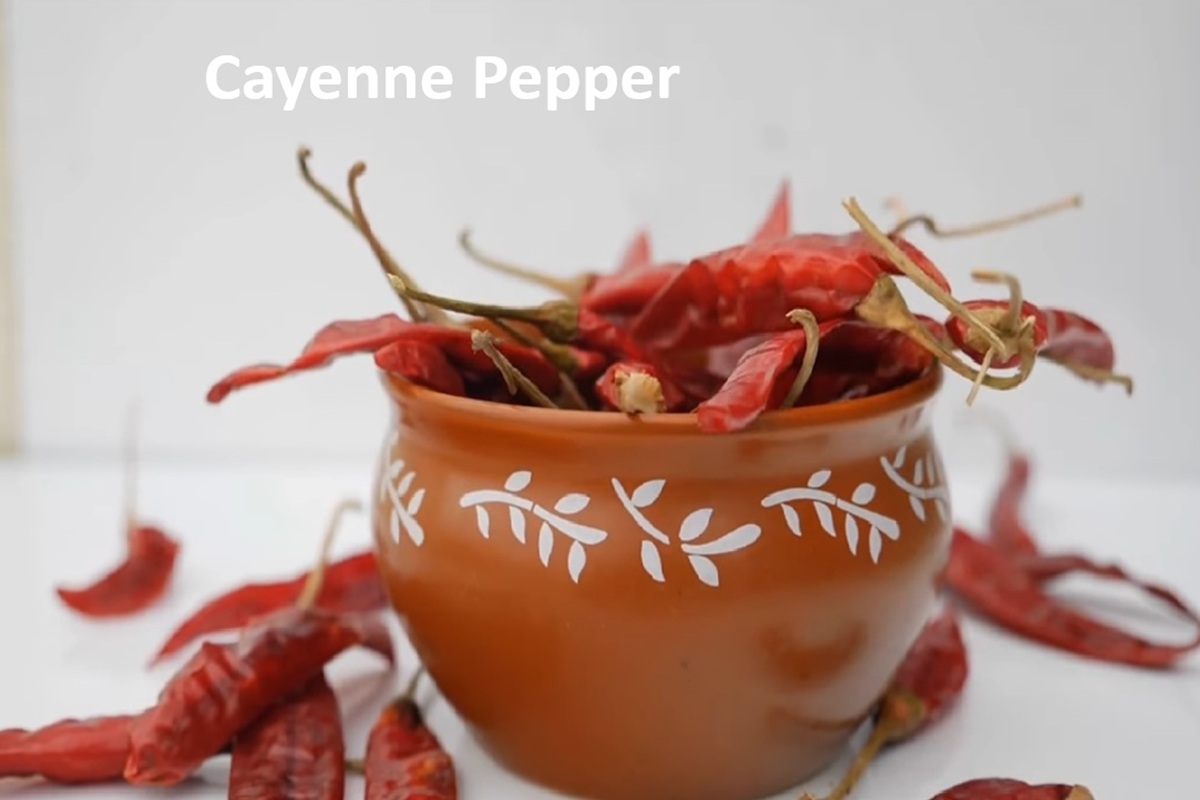
Cayenne Pepper: Capsaicin, Metabolism, and How to Use It
Start with a quarter teaspoon of cayenne in soups, chili, or eggs and work up from there. Capsaicin, the heat compoun...