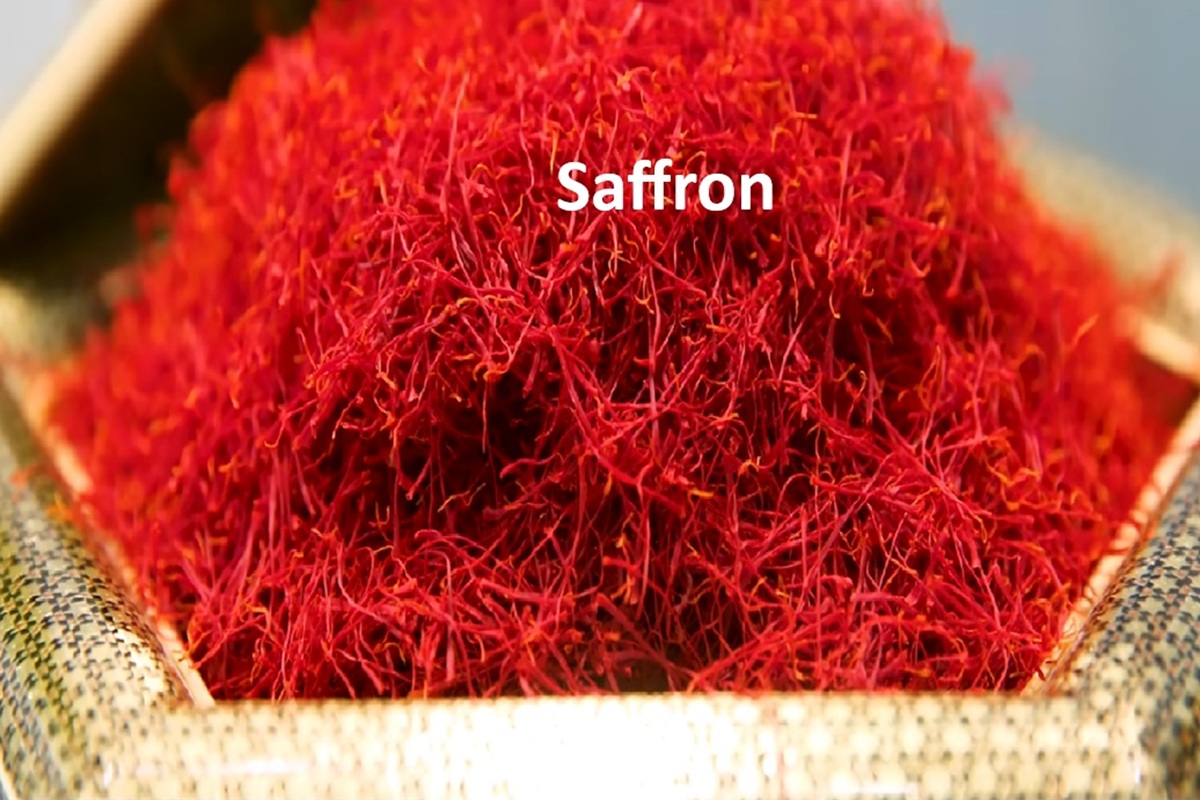
Saffron: Benefits for Mood, Vision, and How to Use It
Steep a small pinch of saffron threads (about 20 threads) in two tablespoons of warm water for 15 minutes before adding to rice, paella, or risotto. That releases the flavor and the active compound crocetin. Studies have found doses of 30 mg per day help with mild to moderate depression and early-stage macular degeneration.
What saffron is
Saffron is the dried stigma (the small red threads) of the saffron crocus flower. Each flower produces only three threads, and it takes around 150 to 200 flowers to make a single gram. That is why saffron is the most expensive spice in the world, often selling for thousands of dollars per kilogram.
You only need a tiny amount. A pinch of saffron flavors and colors an entire pot of rice or stew.
What the research shows
Saffron has real research behind it, and the studies are more interesting than the typical antioxidant claims.
Mild to moderate depression
This is the strongest area of evidence. A 2019 meta-analysis covering 23 randomized controlled trials found that saffron, at doses of 30 mg per day, produced antidepressant effects comparable to fluoxetine (Prozac) and imipramine in people with mild to moderate depression. The effect was not as strong for severe depression.
The trials typically used a saffron extract in capsule form rather than saffron-in-food. Whether you get similar benefits from cooking with saffron is harder to say, but the active compounds (crocin, crocetin, and safranal) are the same.
Vision and macular degeneration
A 2016 review of trials found that 20 mg per day of saffron improved visual function in people with early-stage age-related macular degeneration. The improvements were modest but measurable, including better contrast sensitivity and reduced progression of the disease.
The active compound believed to help is crocetin, which crosses the blood-retina barrier and acts as an antioxidant in retinal tissue.
Premenstrual symptoms
A few smaller trials have found saffron reduces symptoms of PMS, including mood swings and physical discomfort. Doses around 30 mg per day.
Anxiety
Some early evidence suggests saffron may help with generalized anxiety. The studies are smaller and shorter than the depression research, so call this promising rather than well-established.
How to use it
Saffron needs a little preparation to release its flavor and color. The threads contain water-soluble compounds that come out when steeped.
The basic method:
- Pinch a small amount of threads (about 20 threads for a dish serving 4)
- Crush them lightly with your fingers
- Steep in 2 tablespoons of warm (not boiling) water or stock for 15 minutes
- Add the liquid AND the threads to the dish near the end of cooking
You can also steep in warm milk for sweet dishes.
Classic dishes that use saffron:
- Spanish paella, where it tints the rice golden-orange and adds the floral note
- Italian risotto alla Milanese, with butter and parmesan
- Persian rice with crispy tahdig
- Iranian saffron ice cream (bastani)
- Bouillabaisse and other Mediterranean fish stews
How much per day
For general use in cooking, a small pinch of threads (15 to 20 threads) per dish is plenty. For the therapeutic effects on mood or vision found in studies, the dose is around 30 mg per day, which is more than you would get from food alone and usually means a supplement.
If you are interested in saffron for mood support, talk to your doctor before starting a supplement, especially if you are already taking an antidepressant.
Spotting fake saffron
Saffron is the most counterfeited spice in the world. Real saffron is expensive for a reason. Cheaper bulk “saffron” is often safflower (a different plant) or dyed threads. Some tells:
- Real saffron threads have a trumpet shape at one end. They are not uniform little sticks.
- When you steep real saffron, the threads stay red and the water turns golden-yellow. Fake saffron releases red dye into the water.
- Real saffron has a complex, hay-and-honey scent. Fake saffron is odorless or smells just sweet.
Buy from a reputable spice merchant and pay for grade-1 quality. A small jar should last you months.
Who should be careful
Saffron in food amounts is safe for almost everyone. A few cautions for supplement-level doses:
- Pregnant women should avoid high doses of saffron, as it can stimulate uterine contractions. Food amounts are fine.
- People on antidepressants should talk to their doctor before adding saffron supplements, due to the potential for additive effects.
- Doses above 5 grams per day are toxic. You will never get close to this from cooking, but supplement labels are worth reading.
Buying and storing
Look for whole threads, not powder (powder is much easier to adulterate). The threads should be deep red, sometimes with orange tips. Keep saffron in an airtight container away from light and heat. It keeps its flavor for about 2 years if stored well.
Related spices
Spices that work well alongside this one, or share similar benefits.
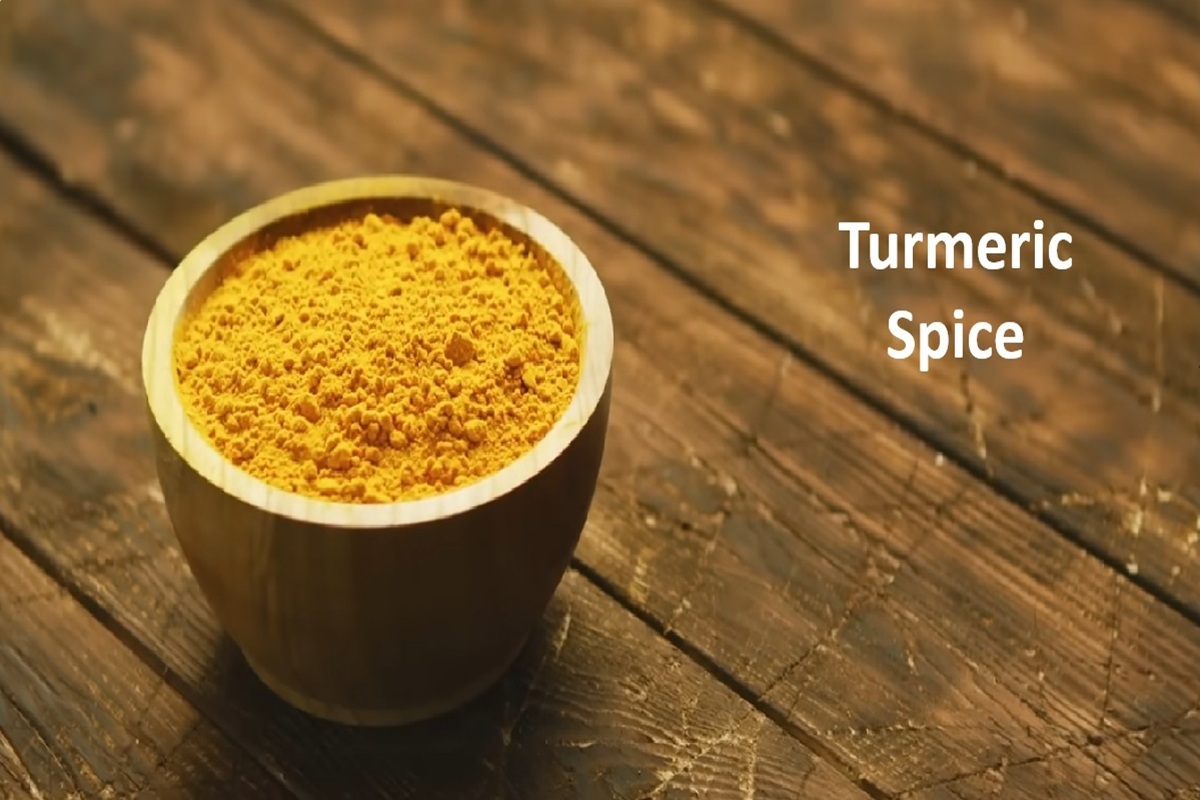
Turmeric: Benefits, Uses, and What the Research Says
Take half a teaspoon of turmeric a day with a crack of black pepper and a bit of fat like olive oil or coconut milk. ...
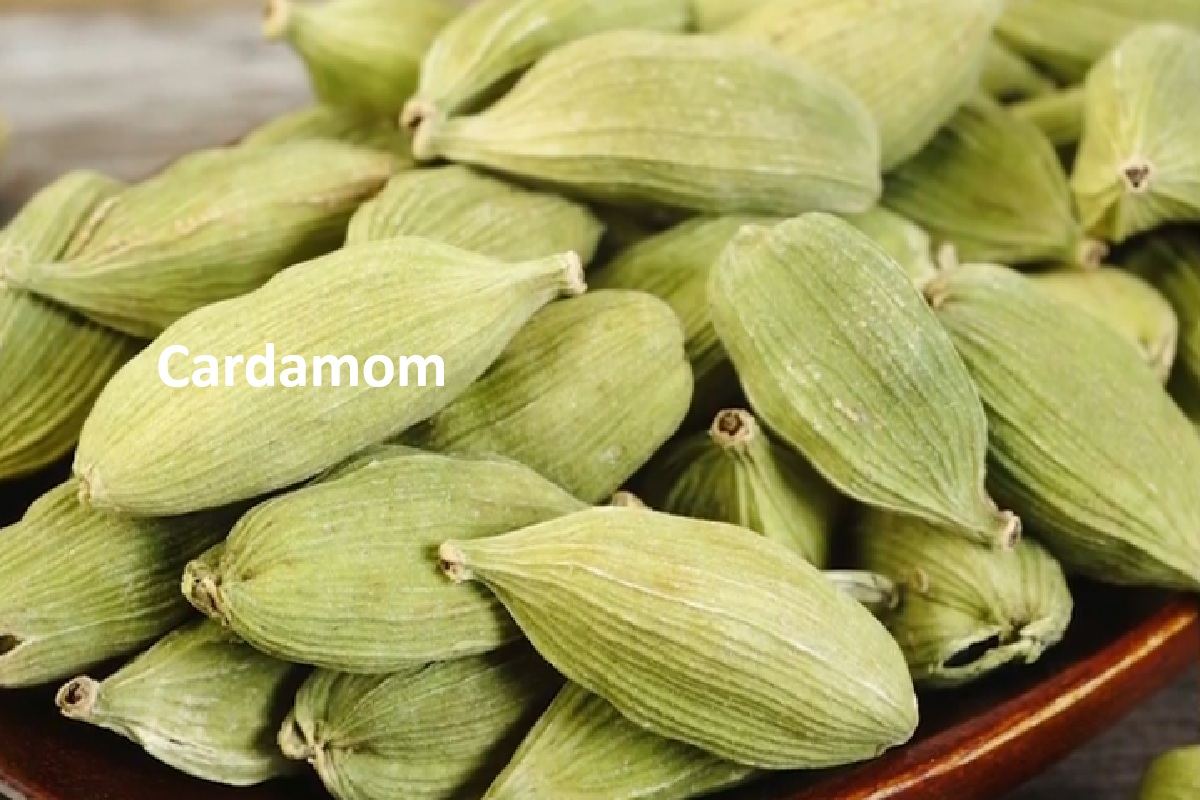
Cardamom: Heart Health, Digestion, and How to Use It
Crush green cardamom pods lightly with the side of a knife and add to chai, coffee grounds before brewing, or to rice...
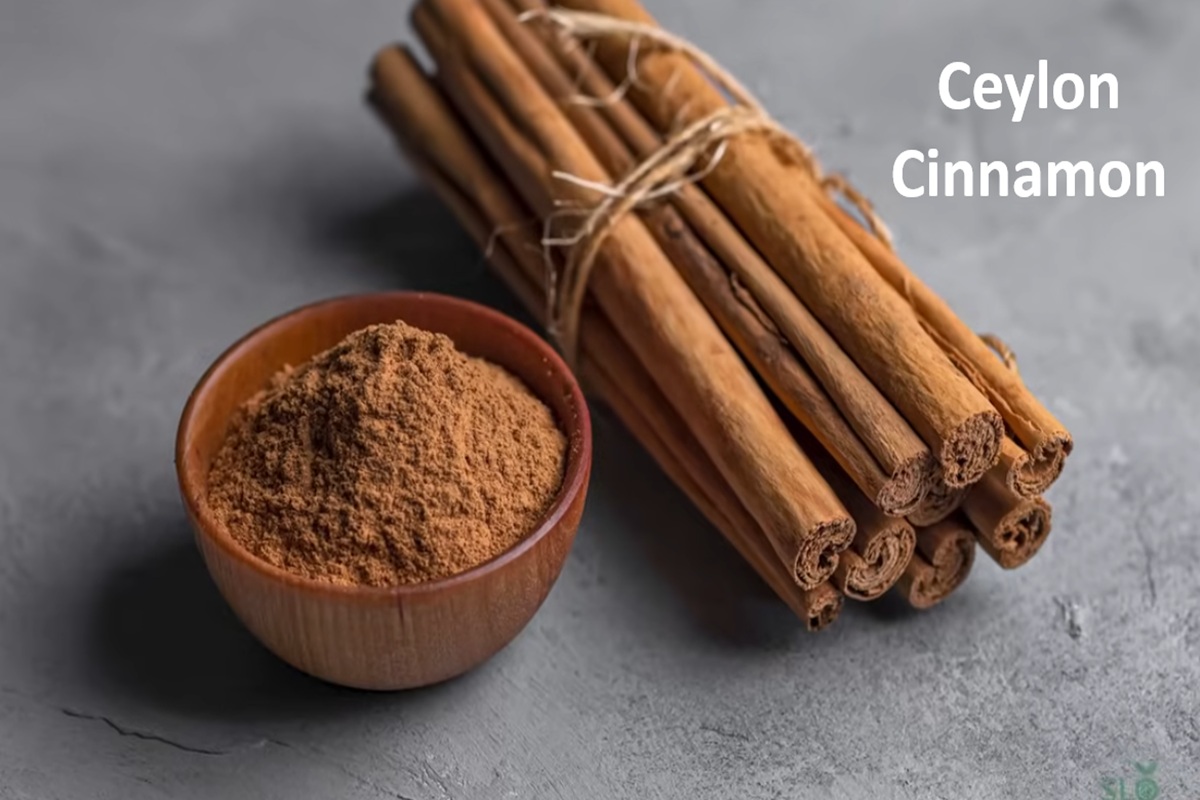
Cinnamon: Benefits, Types, and How Much to Use
Use half a teaspoon of cinnamon a day, sprinkled on oats, yogurt, or stirred into coffee. Pick Ceylon (true cinnamon)...